Focused arrival windows
Useful updates and clear arrival timing.
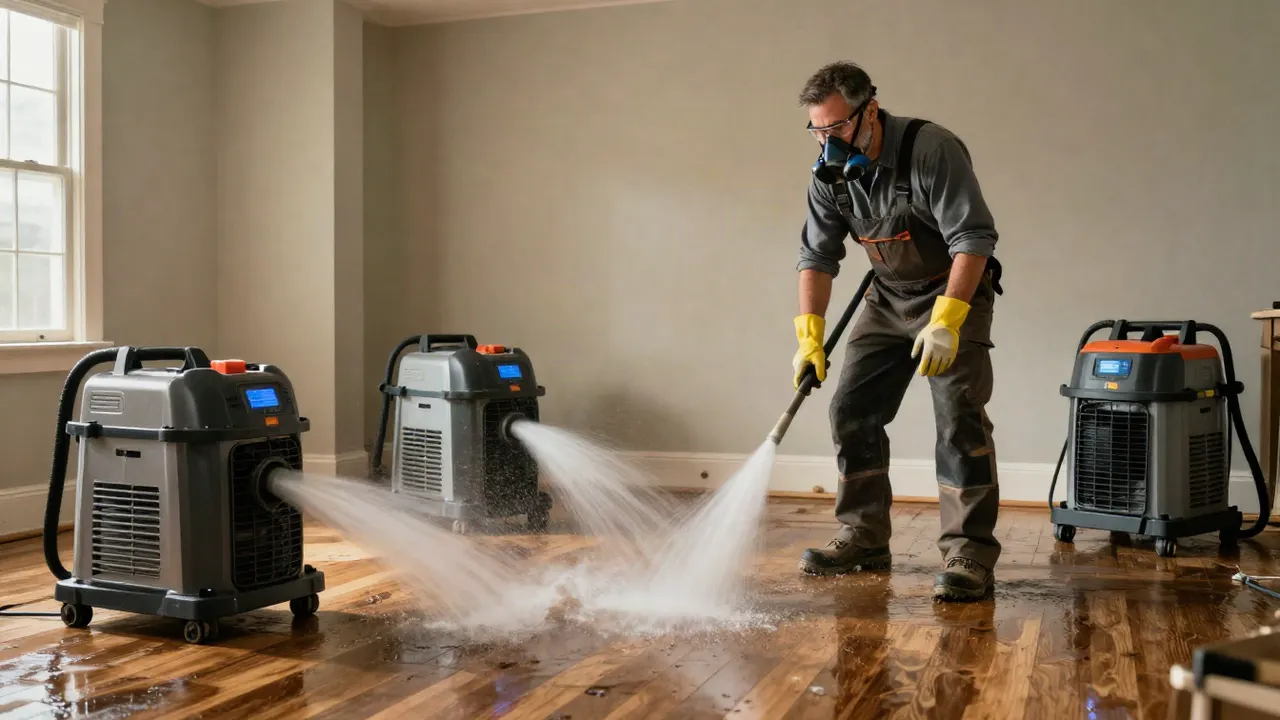
Storm Damage Restoration Hyattsville MD means water out, structure dry, and your home put back together after the storm passes. We handle roof leak water damage, basement flooding, and wind-driven rain intrusion for homeowners and businesses across Prince George's County. When a nor'easter or summer squall rolls through, we're on the road with extraction units and drying equipment. Call and we'll be there.
Useful updates and clear arrival timing.
Review the approach and price before deciding.
Equipped vehicles and respectful cleanup.
Neighbors serving neighbors with follow-through.
Our storm damage restoration service covers the full scope from emergency response through final repair. That means extraction, drying, mold prevention, and putting your home back together. If the storm caused it, we handle it. Here's what's included in a standard storm restoration job.
We answer calls around the clock and dispatch crews with extraction and drying equipment already loaded. Most Hyattsville addresses see us on site within 60 to 90 minutes, day or night, weekends and holidays included.
Truck-mounted and portable water extraction units pull standing water from floors, carpet, basements, and crawl spaces. We remove water fast to limit how far it spreads and how much material gets ruined.
Air movers, dehumidifiers, and desiccant units dry your structure to ANSI/IICRC S500 standards. We log moisture meter and hygrometer readings daily and adjust equipment until the structure hits dry standard.
We apply antimicrobial spray to affected areas and remediate mold to ANSI/IICRC S520 standards when growth is found. Catching it early keeps a small problem from becoming a full gut renovation.
Once dry, we repair drywall, baseboards, hardwood flooring, ceiling water stains, and insulation. Roof leak repairs are coordinated so the source is fixed, not just the interior damage.
Photos, moisture logs, and Xactimate estimates are prepared for your carrier. We bill insurance directly so you're not fronting the cost and waiting weeks for reimbursement.
Share what is happening and receive a clear next step from the local team.
Storm Damage Restoration Hyattsville MD is the emergency water removal, structural drying, and repair work that follows a storm pushing water into your home or business. It starts with a moisture meter and thermal imaging camera to find where the water actually went, not just where you can see it. Then we extract standing water, set air movers and dehumidifiers, and dry the structure to ANSI/IICRC S500 standards before any repair begins. Roof leaks, wind-driven rain, and flooded basements all fall under this work.
Hyattsville sits low along the Northwest Branch and Anacostia watershed, so a two-inch rain event can push water into crawl spaces and basement stairwells fast. The city's older brick rowhouses and post-war capes have original clay sewer laterals and shallow foundations that back up under storm surge. If you're searching for storm damage restoration near me Hyattsville MD after a rough night, we've run this exact call hundreds of times since 2012.
You call and describe what happened. We ask the key questions: is water still coming in, is the power safe, how deep is it. We dispatch a crew with extraction and drying equipment already loaded. Most Hyattsville addresses see us on site within 60 to 90 minutes.
We walk the property with a moisture meter, thermal imaging camera, and hygrometer to map exactly where water traveled. We check behind walls with a boroscope and inspect the crawl space. You get a clear scope of work and an upfront price before anything starts.
Truck-mounted and portable water extraction units pull standing water from floors, carpet, and crawl spaces. For sewage backup or contaminated storm water, we apply antimicrobial spray and remove unsalvageable materials like soaked carpet padding and saturated drywall.
We set air movers and dehumidifiers in a calculated pattern based on room size and moisture readings. Desiccant dehumidifiers handle tough crawl space water intrusion. We monitor daily with moisture meters and hygrometers, adjusting equipment until the structure reads dry.
Once dry, we repair drywall, baseboards, hardwood flooring, and ceiling water stains. If a roof leak caused the damage, we coordinate the roof repair. Final walkthrough covers everything we did, moisture readings, and your warranty paperwork.
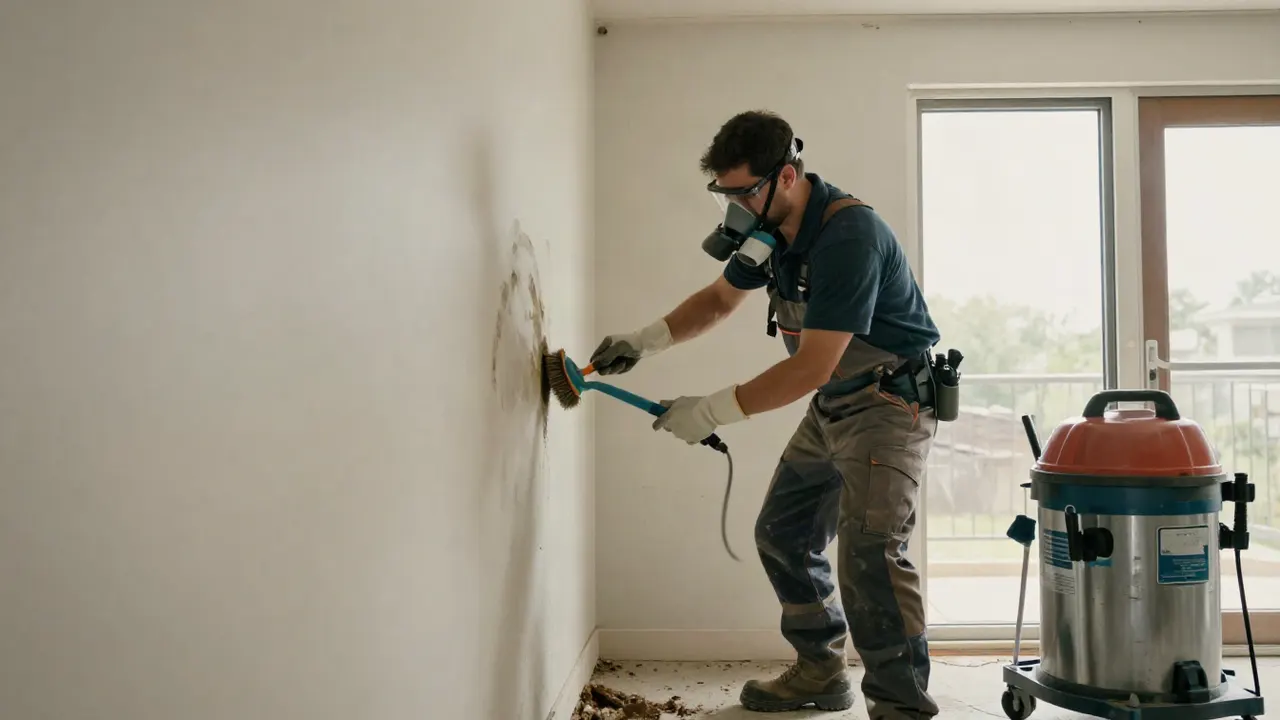
Measures moisture content in drywall, wood, and concrete, and relative humidity in the air. We use readings to map the extent of water damage and confirm when the structure is actually dry.
Reveals temperature differences that indicate hidden moisture behind walls, under floors, and in ceilings. Finds water you can't see before it becomes a mold problem.
Truck-mounted and portable units pull hundreds of gallons per hour from carpet, hard floors, and standing water in basements. The faster water is removed, the less material is lost.
Air movers evaporate moisture from wet surfaces while dehumidifiers pull it out of the air. Placed by calculation based on room size and moisture readings, not guesswork.
Handles tough drying jobs like crawl spaces and cool, damp basements where refrigerant dehumidifiers struggle. Pulls moisture down to dry standard in low-temperature environments.
A small camera on a flexible rod that lets us inspect inside wall cavities and crawl spaces without tearing them open. Confirms hidden water damage and mold growth.
The industry standard for water damage restoration. It defines how to classify water, document moisture, place drying equipment, and confirm the structure is dry. Every job we run follows it.
The standard for mold remediation, covering containment, HEPA filtration, removal of affected materials, and clearance. Applied when storm water intrusion has led to mold growth.
The estimating platform insurance carriers use. We build line-item estimates in Xactimate so your adjuster can process the claim without back-and-forth or disputed pricing.
We log moisture meter and hygrometer readings every day of the drying process. Equipment is adjusted based on real data, and drying isn't called complete until the structure hits documented dry standard.
We tarp the roof, extract water from the ceiling and floors, dry the structure with air movers and dehumidifiers, and repair the damaged drywall and insulation. Ceiling and walls are dry, repaired, and painted. The roof leak is fixed so the next storm doesn't repeat the damage.
We extract the standing water, remove contaminated materials, apply antimicrobial spray, and dry the basement. Sewer line issues are documented for your plumber. Basement is dry, sanitized, and safe to use again. Damaged drywall and flooring are repaired.
We pump out the standing water, dry the crawl space with air movers and dehumidifiers, and treat for mold. Floor joists and subfloor are checked for rot. Crawl space is dry and mold-free. Floor above stays solid and no musty odor spreads into the house.
We shut off the water, extract from all affected levels, dry the structure, and repair drywall, ceilings, and flooring. The burst pipe is repaired by a licensed plumber. All three levels are dry and repaired. No mold, no lingering moisture, no structural damage.
Hyattsville gets hit by two main storm patterns: summer thunderstorms that dump two to three inches in an hour, and winter nor'easters that bring wind-driven rain and freeze-thaw cycles. The Northwest Branch and Anacostia watershed sit right here, so ground saturation happens fast and water finds the lowest point, usually your basement or crawl space. The city's building stock makes it worse. Older brick rowhouses near the Arts District have original clay sewer laterals that crack and back up under storm surge. Post-war capes in West Hyattsville and Kirkwood have shallow foundations and aging sump pumps that quit when they're needed most. When you call for storm water removal and drying Hyattsville, we already know what we're walking into. We check the sewer lateral, inspect the sump, and look for water behind walls before we set a single air mover. If you're dealing with hurricane water damage restoration Hyattsville, we've run those jobs since 2012 and we know how to document them for insurance.
Older rowhouses with original clay sewer laterals that back up during heavy rain. Basement flooding is common and often involves sewage contamination.
Mix of renovated rowhouses and newer construction. Renovated basements with finished drywall and flooring mean more material at risk when water gets in.
Post-war capes and bungalows with shallow foundations and aging sump pumps. Crawl space water intrusion is frequent after summer storms.
Multi-unit buildings and apartments. Storm water intrusion often affects multiple units and requires coordination with property management.
Single-family homes near the Northeast Branch. Low-lying lots flood fast when the branch rises after sustained rain.
Ground saturation happens quickly, and storm water has nowhere to go but into basements and crawl spaces. Response time matters more here than in higher-elevation areas.
Storm surge overwhelms the laterals and pushes sewage back into basements. Jobs often involve Category 3 contaminated water, which requires full PPE and removal of affected materials.
Pipes in attics and exterior walls freeze and burst, sending water through multiple floors. We see a spike in burst pipe calls from December through February.
Flash flooding overwhelms sump pumps and drainage. Crawl spaces and basements flood fast, and water spreads into finished areas within hours.
A summer storm backed sewage into a finished basement through the floor drain. Two inches of contaminated water covered carpet, baseboards, and the bottom of drywall. The furnace and water heater were sitting in it.
We extracted the water, removed contaminated carpet and padding, cut out affected drywall, applied antimicrobial spray, and dried the basement in four days. New drywall, baseboards, and flooring were installed. Furnace and water heater were inspected and cleared.
Maintenance: We recommended a backwater valve on the sewer lateral and a battery-backup sump pump. Both prevent repeat backup during the next storm surge.
A nor'easter tore shingles off a cape and water poured through the ceiling in two bedrooms. Ceiling drywall was sagging, insulation was soaked, and water had traveled along joists into the wall cavity.
We tarped the roof the same night, extracted water, dried the ceiling and wall cavities over five days, and replaced the damaged drywall and insulation. Ceiling stains were sealed and painted. Roof repair was completed by a licensed roofer.
Maintenance: Annual roof inspections before storm season catch loose shingles early. We also recommended gutter cleaning each fall to prevent ice dams.
Four inches of storm water sat in a crawl space for three days before the homeowner called. Floor joists were saturated, insulation was falling down, and mold was starting on the subfloor.
We pumped out the standing water, removed fallen insulation, dried the crawl space with air movers and a desiccant dehumidifier over six days, and remediated early mold growth. New insulation and a vapor barrier were installed.
Maintenance: A vapor barrier and improved grading around the foundation keep storm water from pooling under the house. We check the crawl space annually.
Storm damage shows up in different ways depending on your building and how the water got in. Here are the problems we see most often in Hyattsville and how we fix them.
Standing water ruins furnaces, water heaters, stored belongings, and finished basements within hours. Sewage contamination adds health risk. We extract standing water, remove contaminated materials, apply antimicrobial spray, and dry the basement to standard. Sump pumps and sewer laterals are checked so the next storm doesn't repeat the problem.
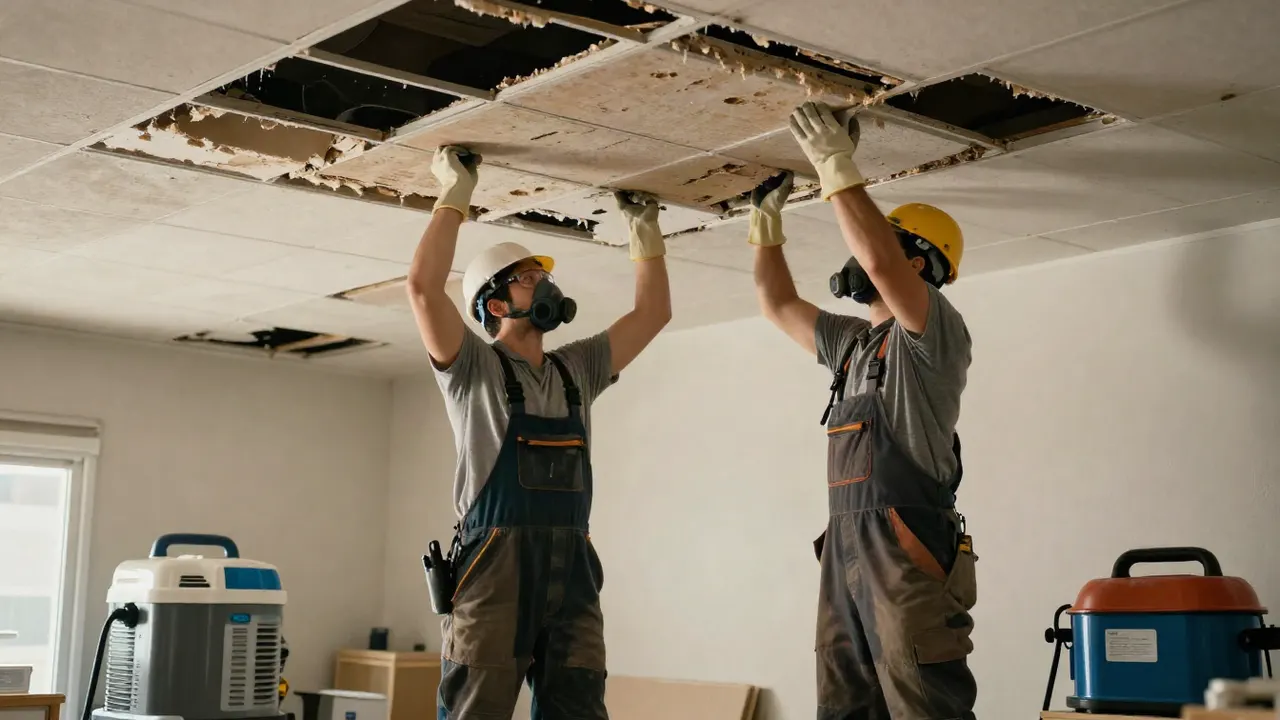
Water travels along joists and drips far from the actual leak point. Ceiling drywall weakens and can collapse if ignored. We find the leak with moisture meters and thermal imaging, tarp the roof, dry the ceiling cavity, and repair or replace damaged drywall and insulation. Roof repair is coordinated so the source is fixed.
Water wicks into insulation and wall cavities where you can't see it. Mold starts within 24 to 48 hours and spreads through the wall system. Thermal imaging and boroscopes find moisture behind walls without tearing everything open. We dry the cavities with air movers, treat for mold, and repair only what's actually damaged.
Standing water in crawl spaces rots floor joists, warps subfloor, and feeds mold growth that spreads into living areas above. We remove standing water, dry the crawl space with air movers and dehumidifiers, and treat for mold. Vapor barriers and drainage improvements are recommended to prevent repeat intrusion.
$1,800 - $6,500 depending on scope
Storm damage restoration cost Hyattsville MD depends on how much water entered, how far it spread, and how much material needs replacement. Typical 2026 pricing for a residential storm job runs $1,800 to $6,500, with most jobs landing around $3,200. Extraction and drying alone run $1,200 to $3,500. Repairs after drying add $600 to $3,000 depending on scope. Insurance usually covers most of it, and we bill carriers directly.
The cost of waiting is always higher. Water spreads, mold grows, and materials that could have been dried get torn out and replaced. Fast response keeps the job smaller and the bill lower.
Clean water from a roof leak costs less to remediate than Category 3 sewage backup, which requires full PPE, removal of contaminated materials, and antimicrobial treatment. Category 3 jobs run 40 to 60 percent higher.
A single room with minor intrusion is a smaller job than a whole basement or multiple floors. Extraction, drying equipment count, and repair costs all scale with the affected area.
Most jobs dry in three to five days. Crawl spaces, dense materials like hardwood, and heavy saturation can push drying to seven days or more, which increases equipment rental and monitoring costs.
Carpet padding, saturated drywall, and damaged insulation usually can't be saved and must be replaced. Hardwood flooring and baseboards can sometimes be dried in place, which reduces cost.
If mold has already started, remediation adds containment, HEPA filtration, and removal of affected materials. Catching it early keeps this cost low or eliminates it entirely.
Most storm-related losses are covered by homeowner policies. We document everything and bill your carrier directly, so your out-of-pocket cost is usually just your deductible.
A summer storm pushed water into our basement through the sewer lateral. These guys were here in about 75 minutes, extracted everything, and had drying equipment running the same night. Four days later the basement was dry and they'd already repaired the drywall. Insurance covered it and they handled the paperwork. No complaints.
Our roof started leaking during a nor'easter and water came through the ceiling in two rooms. They tarped the roof that night, dried the ceilings, and replaced the damaged drywall and insulation. The ceiling stains are gone and you can't tell anything happened. Fair price and they explained everything.
We manage several rental units and had a storm flood three basements at once. Their crew split up, hit all three properties, and had extraction done by morning. Moisture logs were clean and the insurance adjuster approved the claim without pushback. They're our first call now.
Most residential storm damage restoration jobs in Hyattsville run $1,800 to $6,500, with typical 2026 pricing around $3,200 for a flooded basement with drying and minor repairs. Cost depends on how much water entered, how far it spread, whether sewage is involved, and how much material needs replacement. Insurance usually covers the bulk of storm-related losses.
Yes, most homeowner policies cover storm water damage from wind-driven rain, roof leaks, and burst pipes. Flood damage from rising groundwater typically requires separate flood insurance through NFIP. We document everything with photos, moisture readings, and an Xactimate estimate, then bill your carrier directly so you're not stuck fronting the cost.
Extraction takes two to six hours. Structural drying runs three to five days for most homes, sometimes up to seven for crawl spaces or heavy saturation. Repairs after drying add another three to ten days depending on scope. We give you a realistic timeline after the initial inspection, not a guess over the phone.
Yes. We handle both the roof leak repair and the interior damage it caused, including drywall, ceiling water stains, insulation, and hardwood flooring. One crew from tarp-over to final paint. If the roof needs full replacement beyond patching, we coordinate with a licensed roofer so the repair is code-correct and warrantied.
Not seeing your question? Our local team can help you understand urgency, scheduling and what to expect.
Ask the local team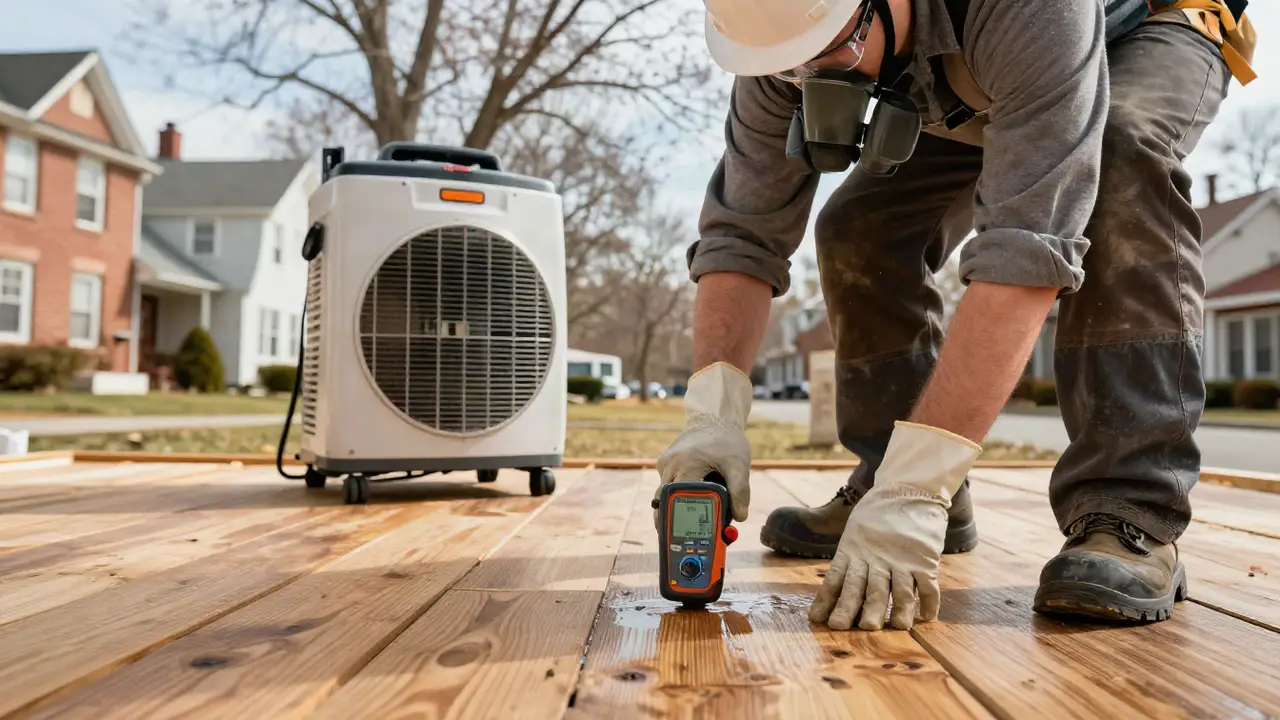
When a storm dumps water into your Hyattsville home, emergency water removal is the first step. We pull standing water from floors, basements, and crawl spaces with truck-mounted extraction units, usually within the first few hours on site.
View service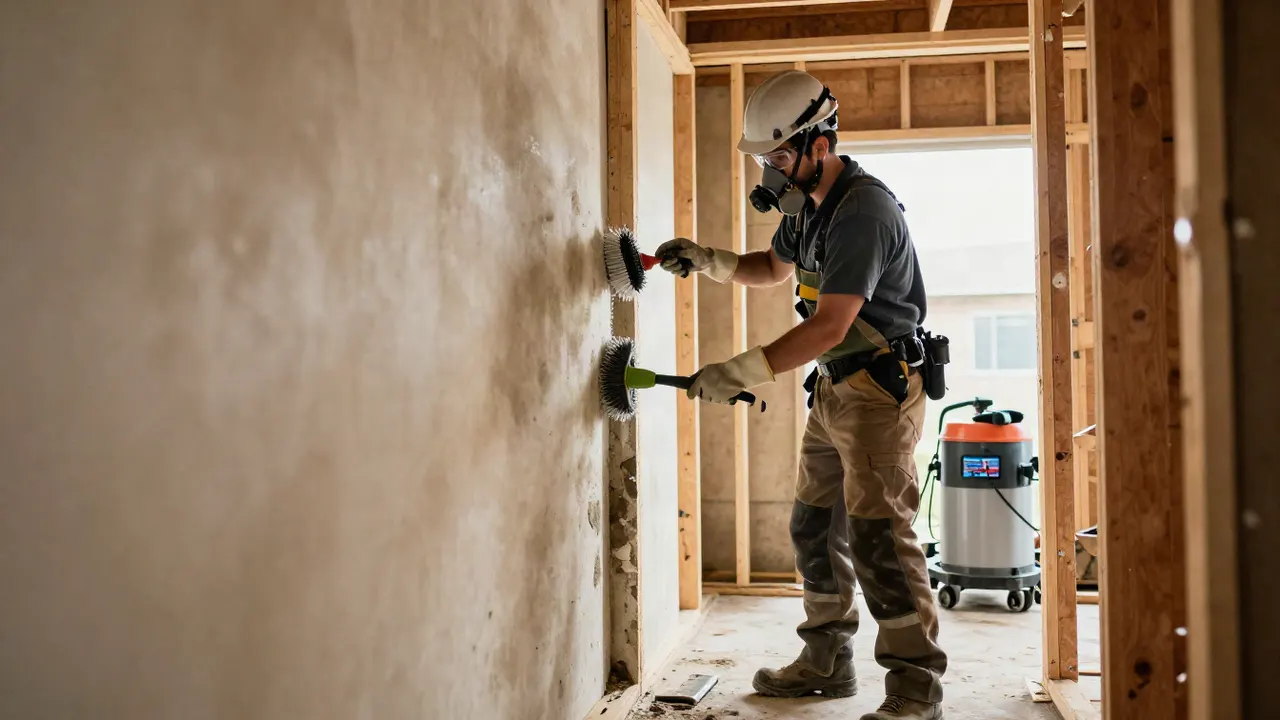
Flood cleanup handles contaminated water from storm surge, sewer backup, or overland flooding. We remove unsalvageable materials, apply antimicrobial spray, and dry the structure to ANSI/IICRC S500 standards so your Hyattsville property is safe to occupy again.
View service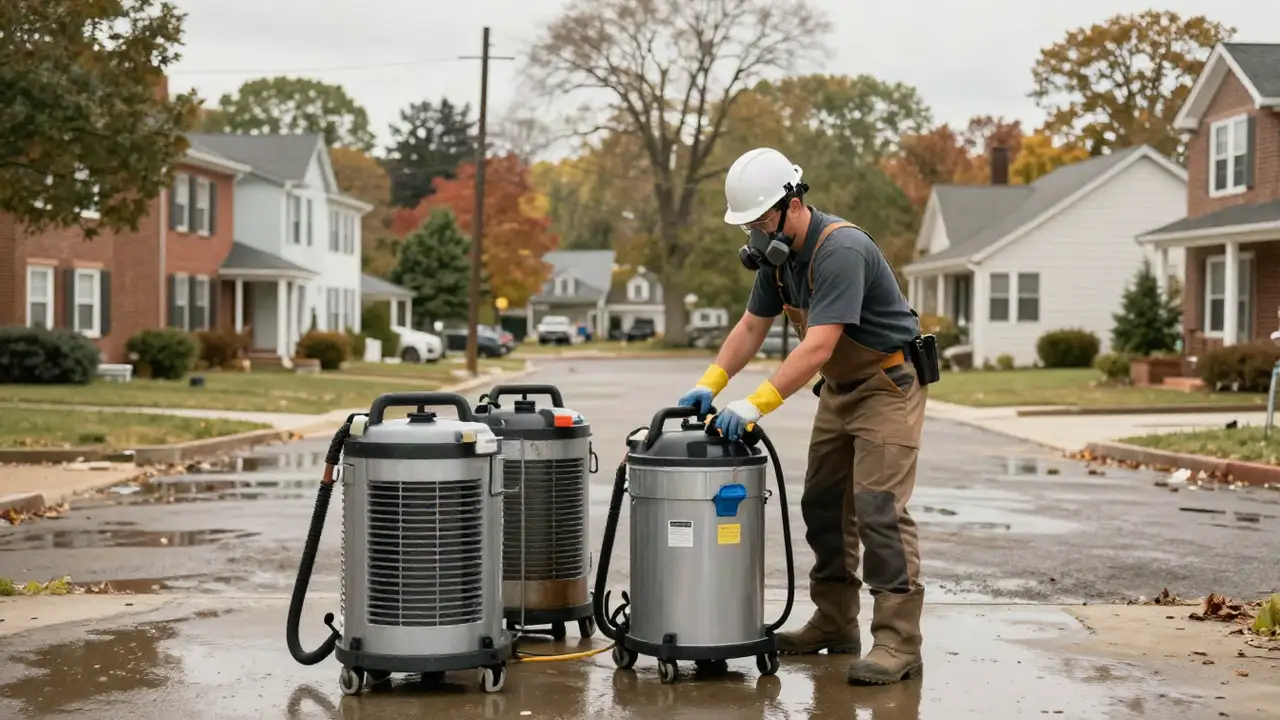
Hyattsville's older rowhouses and capes flood fast when storm water overwhelms sump pumps or sewer laterals. We extract standing water, dry concrete and framing, and check for hidden water damage behind walls before it becomes a mold problem.
View service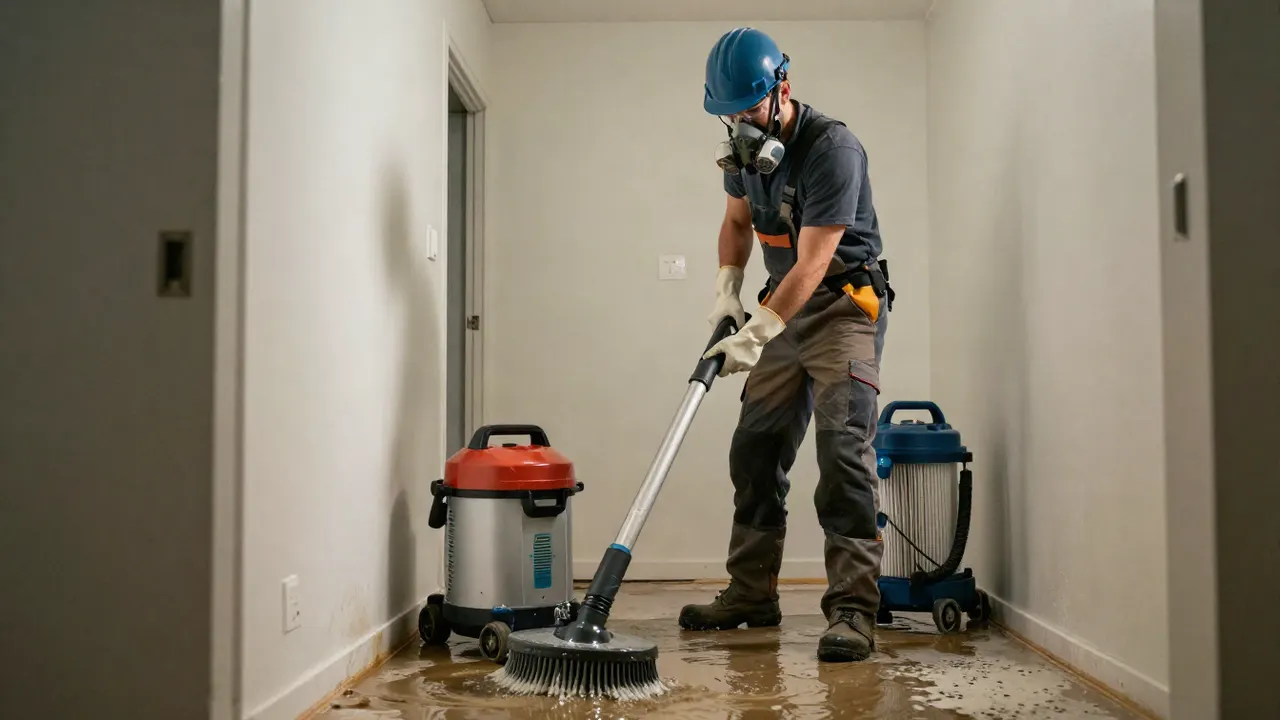
Storm surge often pushes sewage back through floor drains and basement toilets. Sewage backup cleanup is a Category 3 loss requiring full PPE, removal of contaminated materials, and antimicrobial treatment. We handle it to ANSI/IICRC S500 standards and document for insurance.
View service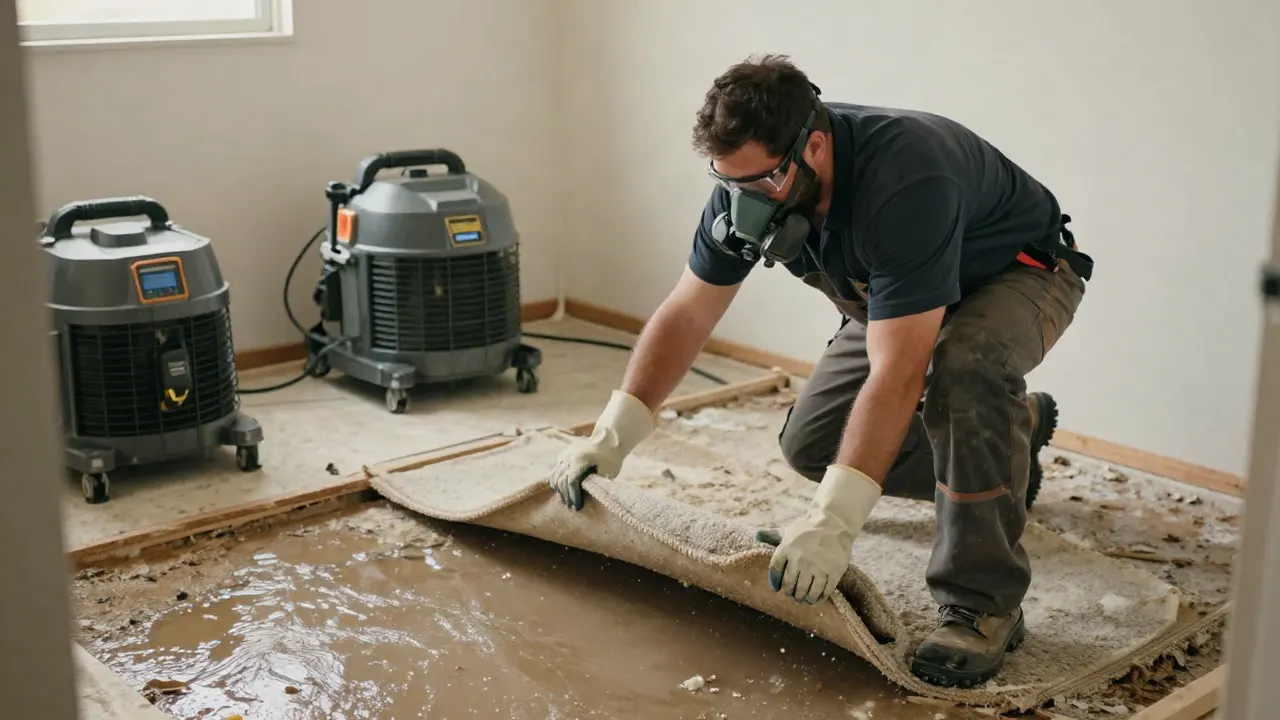
We answer the phone 24 hours a day, 7 days a week, including holidays. Most addresses in Hyattsville see a crew within an hour of your call. Whether it is a burst pipe at 2 a.m. or a slow leak you just noticed, call us and we will get someone out.