Focused arrival windows
Useful updates and clear arrival timing.
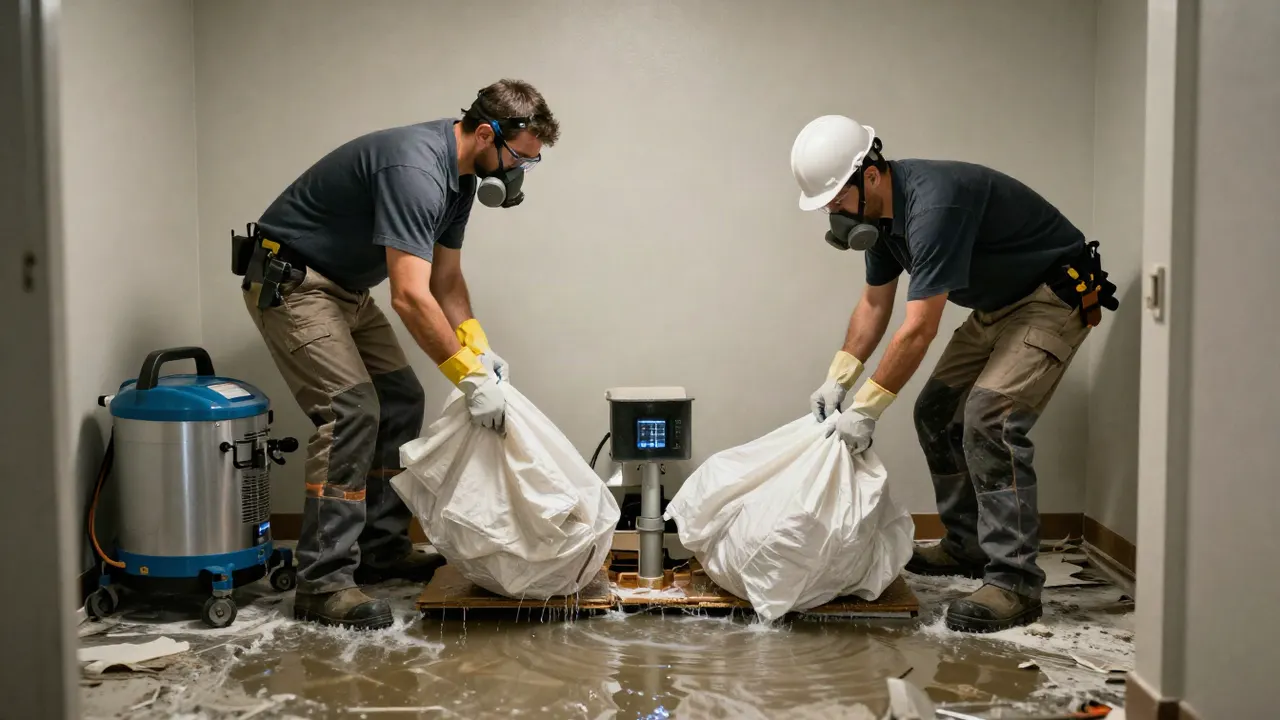
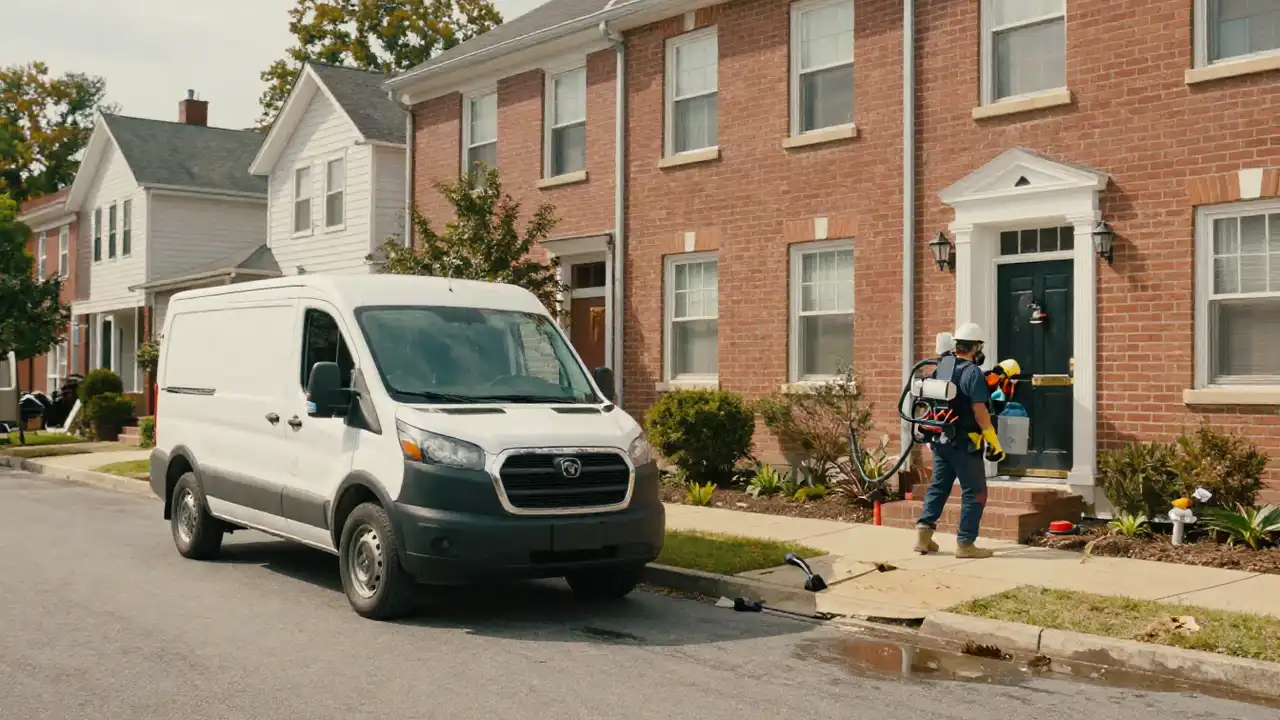
When water is rising in your basement or storm runoff has backed into your first floor, our Flood Cleanup Hyattsville MD team responds 24/7 with truck-mounted extraction and drying equipment. We serve homeowners, landlords, and businesses across Hyattsville, Riverdale Park, and Mount Rainier. Call and we'll be on our way.
Useful updates and clear arrival timing.
Review the approach and price before deciding.
Equipped vehicles and respectful cleanup.
Neighbors serving neighbors with follow-through.
Every flood cleanup job we run includes the full extraction-to-dry sequence. The scope depends on how much water there is and what materials it touched, but here is what is standard on almost every job we do in Hyattsville.
Truck-mounted extraction units pull standing water from carpet, hard floors, and low spots. For a flooded basement, we may also deploy a sump pump or submersible pump if water is still entering. Typical residential extraction runs two to four hours.
We use a moisture meter, thermal imaging camera, and boroscope to find hidden water behind walls and under floors. Every reading is logged and photographed so your insurance adjuster has a complete picture of the loss.
We place air movers and dehumidifiers sized to the affected space and run them for three to five days. We return daily to check moisture readings and adjust equipment until the structure hits dry standard.
After extraction, we apply antimicrobial spray to affected framing, drywall edges, and subfloor to stop mold growth before it starts. This is standard on Category 2 and Category 3 water losses like sewage backups and storm runoff.
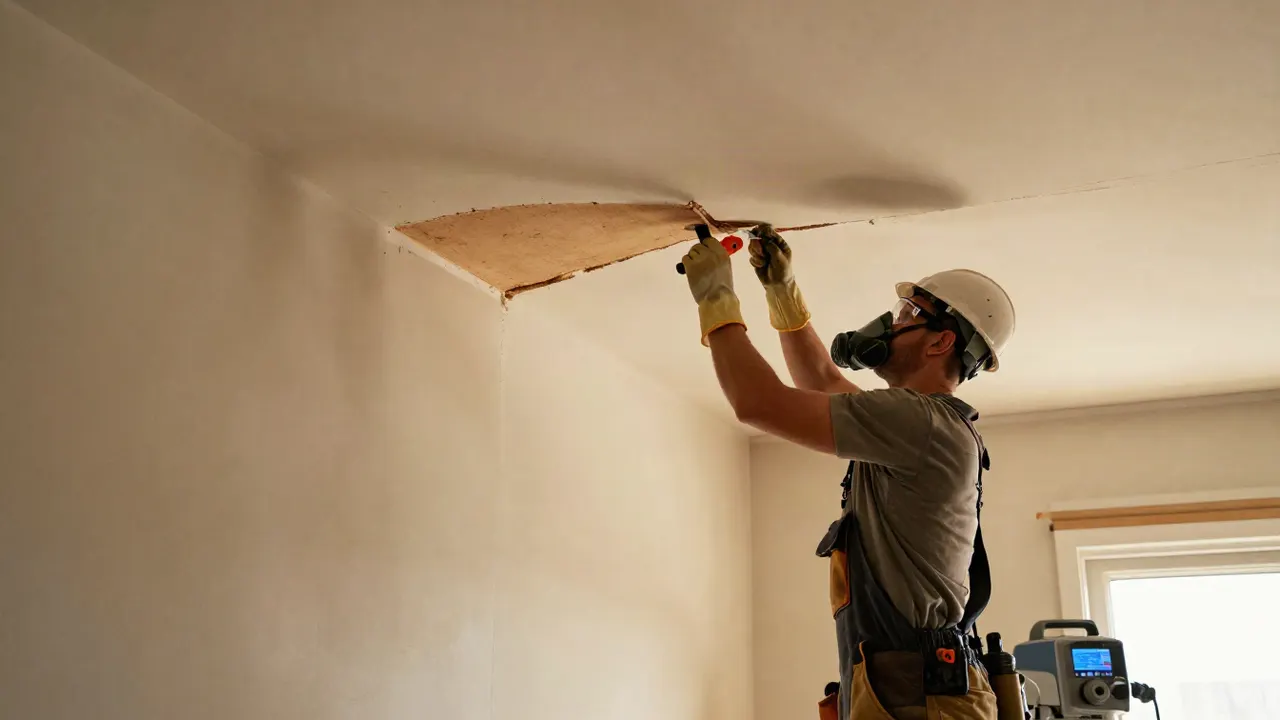
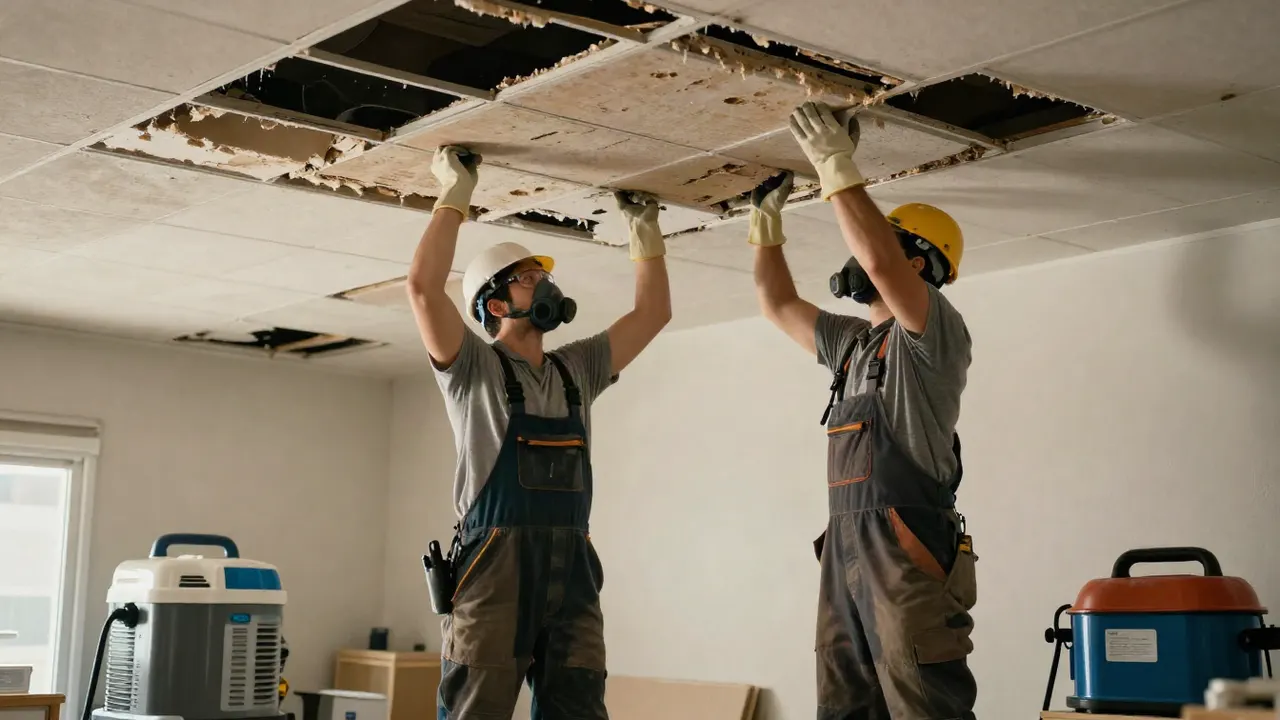
Saturated carpet padding, wet insulation, and drywall below the flood line usually cannot be saved. We remove and dispose of them, then dry the framing behind them before any rebuild starts.
We provide a full scope in Xactimate format, photos of every affected material, and daily moisture logs. Most major carriers accept our documentation directly, which speeds up your claim and reduces out-of-pocket costs.
Share what is happening and receive a clear next step from the local team.
Flood Cleanup Hyattsville MD is the process of removing standing water, sanitizing contaminated surfaces, and drying a structure back to its pre-loss moisture content after a flood, burst pipe, or sewage backup. It is not a shop vac and a box fan. We use moisture meters, thermal imaging cameras, and truck-mounted water extraction units to find water you cannot see behind baseboards, under hardwood flooring, and inside wall cavities. Then we dry the structure with air movers and dehumidifiers until daily hygrometer readings confirm the framing, drywall, and subfloor are back to normal.
In Hyattsville, most flood calls come from three sources: summer storm runoff overwhelming sump pumps in West Hyattsville and Chillum, burst pipes in older homes near the Arts District, and sewage backups in low-lying blocks close to the Northwest Branch. Whatever the cause, the clock matters. Mold can begin colonizing wet drywall and carpet padding within 24 to 48 hours. If you're searching for flood cleanup near me Hyattsville MD at 2 a.m. with two inches of water in your basement, that's exactly the call we take.
You call, we answer, and we ask the questions that matter: where is the water coming from, how deep is it, and is the power safe to leave on. We dispatch a crew immediately and give you a realistic arrival window. Most Hyattsville calls get a technician on site within 60 to 90 minutes.
We walk the property with a moisture meter and thermal imaging camera, checking baseboards, drywall, hardwood flooring, and the crawl space. We photograph everything and mark the wet zone with chalk so you can see exactly what we found. This inspection usually takes 30 to 45 minutes.
Truck-mounted extraction units pull standing water from carpet, padding, and hard floors. For a flooded basement, we may also deploy a sump pump or submersible pump if the water is still coming in. Extraction on a typical residential job runs two to four hours.
We set air movers and desiccant or refrigerant dehumidifiers based on the size of the wet zone. You will hear them running for three to five days. We come back daily to log moisture readings and adjust equipment placement until the structure hits dry standard.
Once the structure is dry, we apply antimicrobial spray to affected framing and clean salvageable contents. We pull equipment, take final moisture readings, and walk the job with you so you can see the before-and-after numbers. We also send documentation to your insurance adjuster.
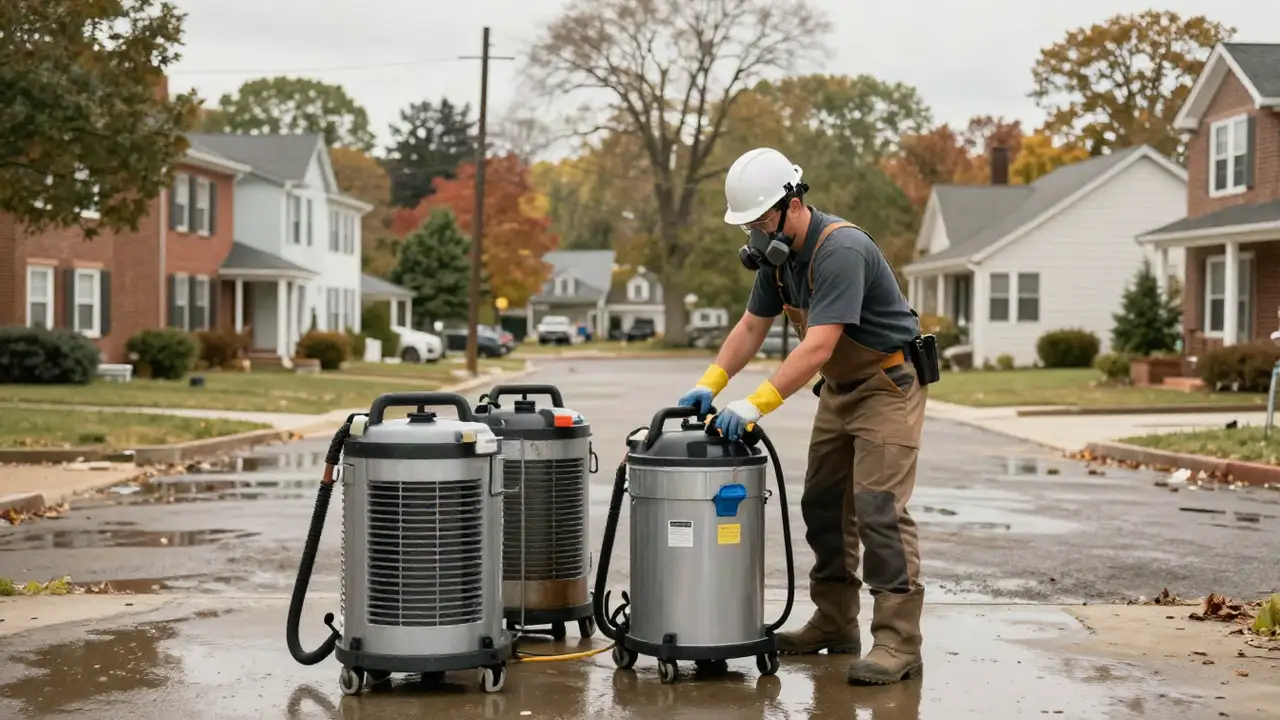
Pulls hundreds of gallons per hour from carpet, padding, and hard floors. Far faster and more powerful than any rental Shop-Vac or Bissell unit.
Reveals temperature differences that indicate hidden moisture behind walls, under floors, and inside ceiling cavities without cutting anything open.
Measures moisture content in drywall, wood, and concrete. We log daily readings to confirm the structure is drying and to know when to pull equipment.
A small camera we feed into wall cavities and under floors to visually confirm moisture and check for mold growth in areas we cannot see directly.
Air movers evaporate moisture from wet surfaces while dehumidifiers pull it out of the air. We size them to the cubic footage of the affected space.
Used for deep drying in cool or hard-to-heat spaces like crawl spaces and basements, where refrigerant dehumidifiers lose efficiency.
Deployed when water is still entering the space. These keep the water level down while we extract and set up drying equipment.
The industry standard for water damage restoration. It defines water categories, drying goals, and documentation requirements. We follow it on every job so our work is defensible and our documentation is accepted by insurers.
We map the wet zone on day one and log moisture readings daily until the structure hits dry standard. This is how we know when to pull equipment instead of guessing.
After extraction, we apply antimicrobial spray to affected framing, drywall edges, and subfloor. This stops mold growth during the drying phase and is standard on Category 2 and Category 3 losses.
We write our scope in Xactimate, the same estimating platform most insurance adjusters use. That means fewer questions, faster approvals, and less back-and-forth on your claim.
Call us immediately. We dispatch a crew with a submersible pump and truck-mounted extraction unit. We remove the standing water, pull soaked carpet and padding, and set up drying equipment the same day. Water is out within hours, drying starts the same day, and mold never gets a chance to colonize. Most basements are back to dry standard in four to five days.
Shut off the main water valve and call us. We trace the wet zone with thermal imaging, extract water from the ceiling cavity, and dry the joists and subfloor above the kitchen. The ceiling cavity dries in three to four days, the plumbing repair is coordinated, and the drywall is repaired and painted once moisture readings are normal.
Call us and keep everyone out of the room. We arrive in full PPE, remove contaminated flooring and drywall, treat the framing with antimicrobial spray, and dry the structure. The contamination is removed, the smell is gone, and the room is safe to use again. We document everything for your insurance claim, which usually covers sewage backups.
We use moisture meters and thermal imaging to map the wet zone, then deploy specialty drying mats to pull moisture out of the hardwood boards without removing them. In many cases the hardwood is saved rather than replaced, which can save thousands of dollars compared to a full floor replacement.
Hyattsville floods for specific reasons. The city sits along the Northwest Branch of the Anacostia River, and summer storms regularly dump two inches of rain in under an hour. That overwhelms storm drains and sump pumps in low-lying blocks of West Hyattsville and Chillum. Older homes near the Arts District and Downtown Hyattsville often have original cast iron drains and clay sewer laterals that crack and back up under heavy flow. Newer construction around University Town Center has its own issues, mostly slab leaks and supply line failures behind finished walls. When you call us for emergency flood cleanup Hyattsville MD, we already know the likely culprits. We check the sump pit, the sewer lateral, and the foundation drains before we assume the water came from inside. We also know that Prince George's County inspectors want to see documented drying before a rebuild permit is signed off, so we photograph and log everything. If you need flood water removal and sanitizing Hyattsville, we handle the whole sequence from extraction to final moisture verification.
Low-lying blocks near the Northwest Branch flood first during summer storms. Sump pump failures are the most common call we get here.
Older bungalows and rowhouses with original plumbing. Burst pipes and cracked sewer laterals are common after a hard freeze.
Newer condo and apartment buildings with finished basements and slab-on-grade construction. Slab leaks and supply line failures are the typical calls.
Properties close to the county line often have crawl spaces that take on water during prolonged rain. Crawl space water intrusion is common here.
A mix of older homes and newer infill construction. We see both foundation leaks in the older stock and roof leaks in the newer builds.
Water backs up into basements and crawl spaces within minutes. We keep submersible pumps on the truck specifically for these calls.
These crack and root-intrude over time, causing sewage backups during heavy rain. We treat these as Category 3 losses and remove contaminated materials.
Pipes in exterior walls and unheated crawl spaces burst when temperatures drop below 20 degrees. We see a spike in burst pipe calls during cold snaps.
Groundwater can push through foundation walls and floor slabs even without a storm. We use desiccant dehumidifiers to dry these spaces thoroughly.
A failed sump pump left four inches of standing water across a finished basement. Carpet and padding were saturated, baseboards were wicking water, and the block walls were reading 28% moisture content on the meter.
We extracted the water in three hours, removed the carpet and padding, and ran air movers and dehumidifiers for five days. Final moisture readings on the block walls were 11%, matching the dry control area. The homeowner replaced the carpet after the walls were verified dry.
Maintenance: Install a battery backup sump pump and test it every spring before storm season. Keep floor storage on shelving at least six inches off the slab.
Heavy rain overwhelmed the sewer lateral and pushed Category 3 water into a laundry room and adjacent hallway. Vinyl flooring and the bottom 12 inches of drywall were contaminated and had to be removed.
We removed the contaminated materials in full PPE, treated the framing with antimicrobial spray, and dried the structure for four days. Final moisture readings were within 2% of the dry standard. The homeowner's insurance covered the rebuild.
Maintenance: Have your sewer lateral camera-inspected every three to five years. A backwater valve on the main line can prevent the next backup.
A supply line burst behind an upstairs bathroom wall during a January cold snap. Water ran for hours before the homeowner got home, soaking the bathroom subfloor and dripping through the kitchen ceiling below.
We opened the wall and ceiling, extracted the water, and dried the joists and subfloor with air movers for four days. Moisture readings returned to normal, and we repaired the drywall and matched the ceiling texture. The hardwood in the hallway was saved with drying mats.
Maintenance: Insulate pipes in exterior walls and let faucets drip during hard freezes. Know where your main shutoff valve is before you need it.
Most flood calls we take in Hyattsville fall into a handful of categories. Here is what we see, what happens if you wait, and how we fix it.
Standing water wicks into block walls, rots baseboards, and destroys anything stored on the floor. Mold can start within 48 hours. We pump and extract the standing water, pull saturated carpet and padding, and dry the block walls and slab with air movers and dehumidifiers. We also check your sump pump and recommend a battery backup so the next storm does not repeat the problem.
Category 3 water carries bacteria and pathogens. Anything porous it touches has to be removed, not dried. The smell alone makes the house unlivable. We suit up in full PPE, remove contaminated flooring and drywall, treat the framing with antimicrobial spray, and dry the structure. We document the whole process for your insurance claim because sewage backups are usually covered.
A burst pipe can release 10 gallons a minute. Water travels along joists and pools in ceilings and floors far from the source, so the damage is often much larger than it looks. We shut down the water, use thermal imaging to trace the wet zone, extract the water, and dry the structure. We also coordinate the plumbing repair so the source is fixed before we close anything up.
A ceiling stain means water is sitting above the drywall, soaking insulation and joists. Left alone, it turns into sagging drywall, mold, and eventually a ceiling collapse. We open the ceiling, dry the joists and subfloor above, and treat the cavity with antimicrobial spray. Once the moisture readings are back to normal, we repair the drywall and match the ceiling texture.
$1,200 - $6,500 for most residential jobs
Flood cleanup pricing depends on how much water there is, what it touched, and how contaminated it is. Typical 2026 pricing in Hyattsville runs $1,200 to $6,500 for a residential job, with most homeowners paying somewhere in the middle. Sewage backups and large first-floor floods cost more because of the extra labor and material removal. We give you a written scope before we start, bill your insurance directly on covered claims, and do not add surprise charges at the end.
The cost of flood cleanup is almost always less than the cost of waiting. A $2,000 extraction and drying job today prevents a $12,000 mold remediation and rebuild six weeks from now. We document everything so your insurer pays what they owe.
Clean water from a supply line is Category 1 and costs the least to clean up. Gray water from a washing machine or dishwasher is Category 2. Sewage backups and storm runoff are Category 3 and require full PPE, antimicrobial treatment, and removal of contaminated materials.
The bigger the wet zone, the more extraction time, the more drying equipment, and the longer the drying phase. A single room might take three days to dry. A whole first floor can take a week.
Carpet and padding are usually a loss and have to be removed. Hardwood flooring can sometimes be saved with drying mats. Drywall below the flood line almost always gets cut out. Each material changes the labor and disposal cost.
Most jobs dry in three to five days. Crawl spaces, basements with block walls, and homes with hardwood flooring can take longer. We bill drying equipment by the day, so a longer dry time means a higher total.
Most homeowner policies cover sudden and accidental water damage, including burst pipes and storm-driven flooding. Sewage backups usually require a rider. We bill carriers directly and document everything in Xactimate format to speed approval.
Water Damage Restoration Hyattsville MD has been cleaning up floods in Prince George's County since 2012. That is 14 years of extracting water from Hyattsville basements, drying out Arts District bungalows, and pulling soaked carpet out of University Town Center condos. Our technicians hold IICRC WRT (Water Restoration Technician) and IICRC ASD (Applied Structural Drying) certifications, and we follow the ANSI/IICRC S500 standard on every job. We are licensed through the Maryland Home Improvement Commission (MHIC) and carry full liability and workers' comp coverage. When we tell you a floor is dry, it is dry.
Sump pump died during a storm and we had four inches of water in the basement by morning. They were here in about an hour, had the water out before lunch, and left dehumidifiers running for four days. Final moisture readings matched the dry closet upstairs. Insurance covered almost all of it and they handled the paperwork.
A pipe burst in the upstairs bathroom of my rental and water came through the ceiling into the tenant's kitchen. They cut out the wet drywall, dried the joists, and had the ceiling repaired in under two weeks. My tenant stayed in the unit the whole time. Fair pricing and no surprises on the final invoice.
Sewage backed up into our laundry room after heavy rain. They showed up in full protective gear, removed the contaminated flooring, treated everything, and documented the whole thing for our adjuster. I was worried about mold but they tested and confirmed the area was dry before they closed it up. Would call them again without hesitation.
Most residential flood cleanup jobs in Hyattsville run $1,200 to $6,500 in 2026, depending on how much water there is and how far it has spread. A small basement with a few inches of clean water might land near $1,500. A first-floor flood with sewage contamination and soaked drywall can push past $8,000. We give you a written scope before we start and bill your insurance directly on covered claims.
Flood cleanup prevents mold, and if mold is already present we treat it as part of the job. We apply antimicrobial spray to affected framing and drywall after extraction, then dry the structure to a verified standard. If mold has already colonized, we follow the ANSI/IICRC S520 mold remediation standard, which may mean removing and replacing affected drywall and insulation rather than trying to clean it.
Extraction usually takes two to four hours. Structural drying takes three to five days on a typical job, sometimes longer for a flooded crawl space or a home with hardwood flooring. You can usually stay in the house during drying, though we may recommend you avoid the affected rooms because of the noise and airflow. We give you a realistic timeline on day one.
Yes, and timing is everything. Water wicks into plywood subfloors, baseboards, and wall framing within hours. If we extract and start drying within 24 hours, most framing and subfloor dries in place without replacement. Wait a week and you are looking at swollen hardwood flooring, delaminated plywood, and mold growth that turns a cleanup into a rebuild.
Not seeing your question? Our local team can help you understand urgency, scheduling and what to expect.
Ask the local team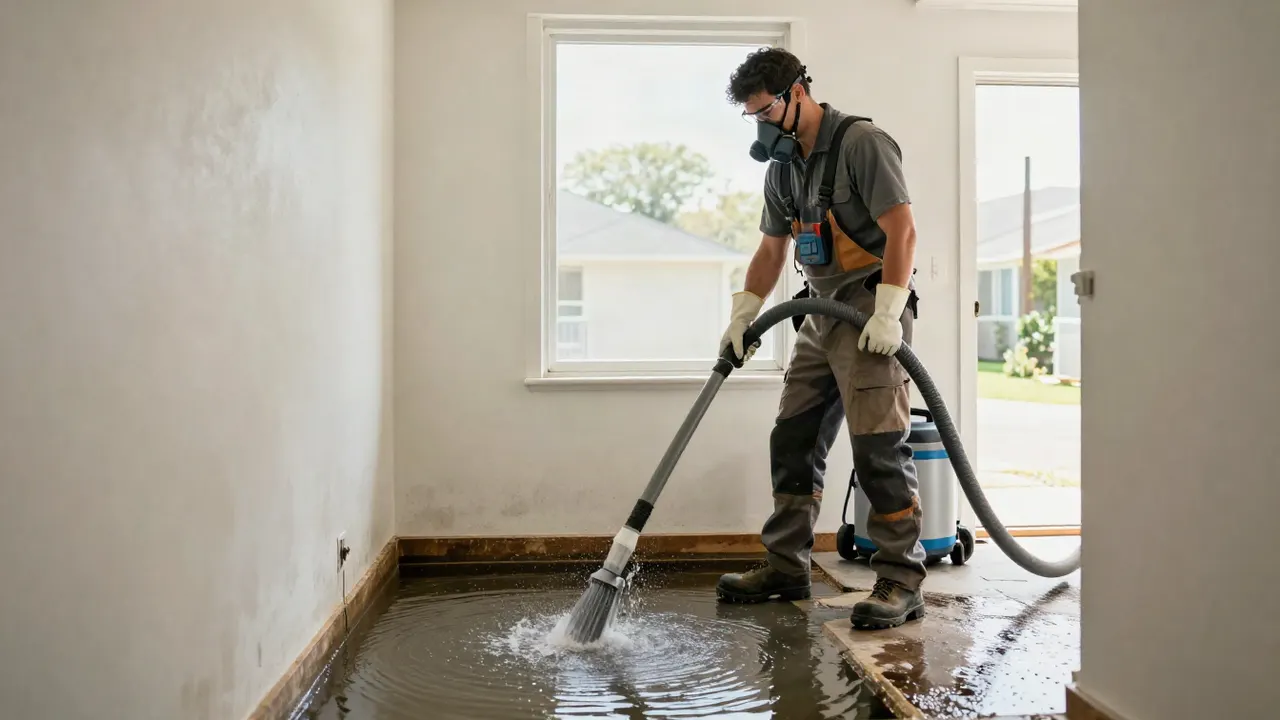
When water is still coming in, emergency water removal is the first step before any cleanup can start. We pump, extract, and stabilize so the damage stops spreading while we plan the rest of the job.
View serviceHyattsville basements flood from sump pump failures, foundation leaks, and storm runoff. We extract standing water, pull soaked carpet and padding, and dry the block walls and slab so the space is usable again.
View service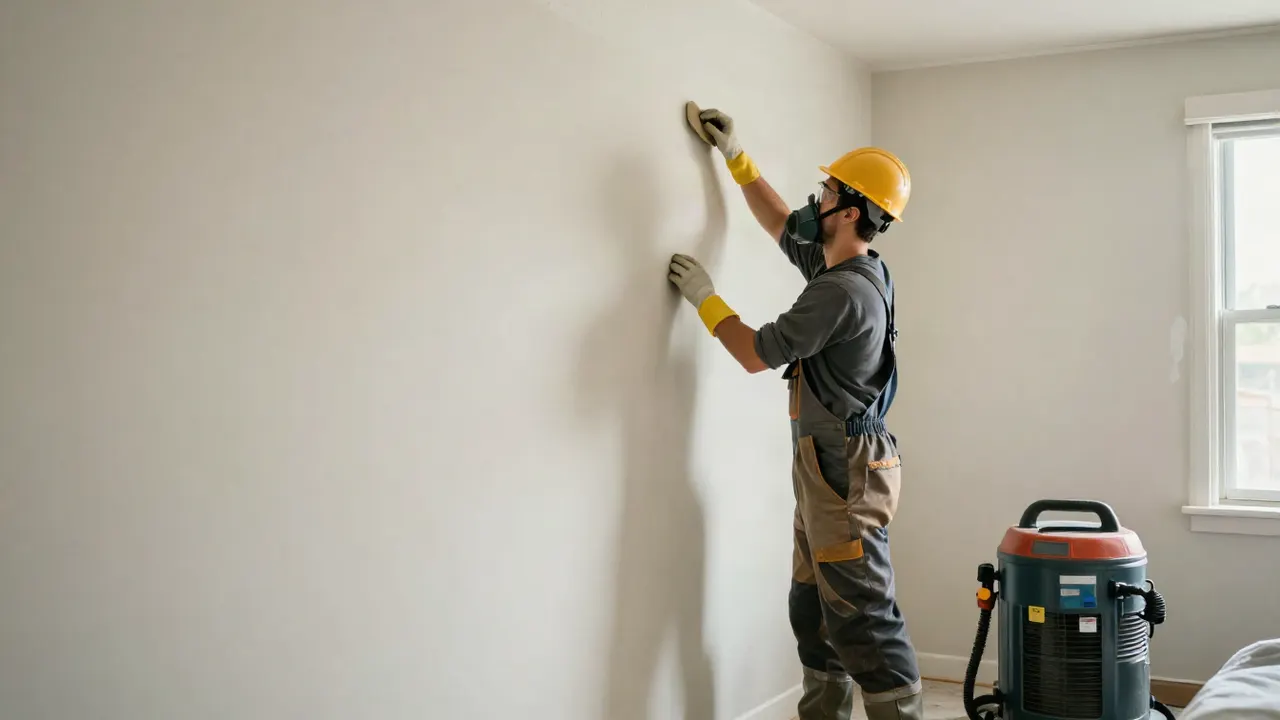
Sewage backups are a Category 3 loss and require full PPE, antimicrobial treatment, and often removal of contaminated drywall and flooring. We handle the whole process and document it for your insurance claim.
View service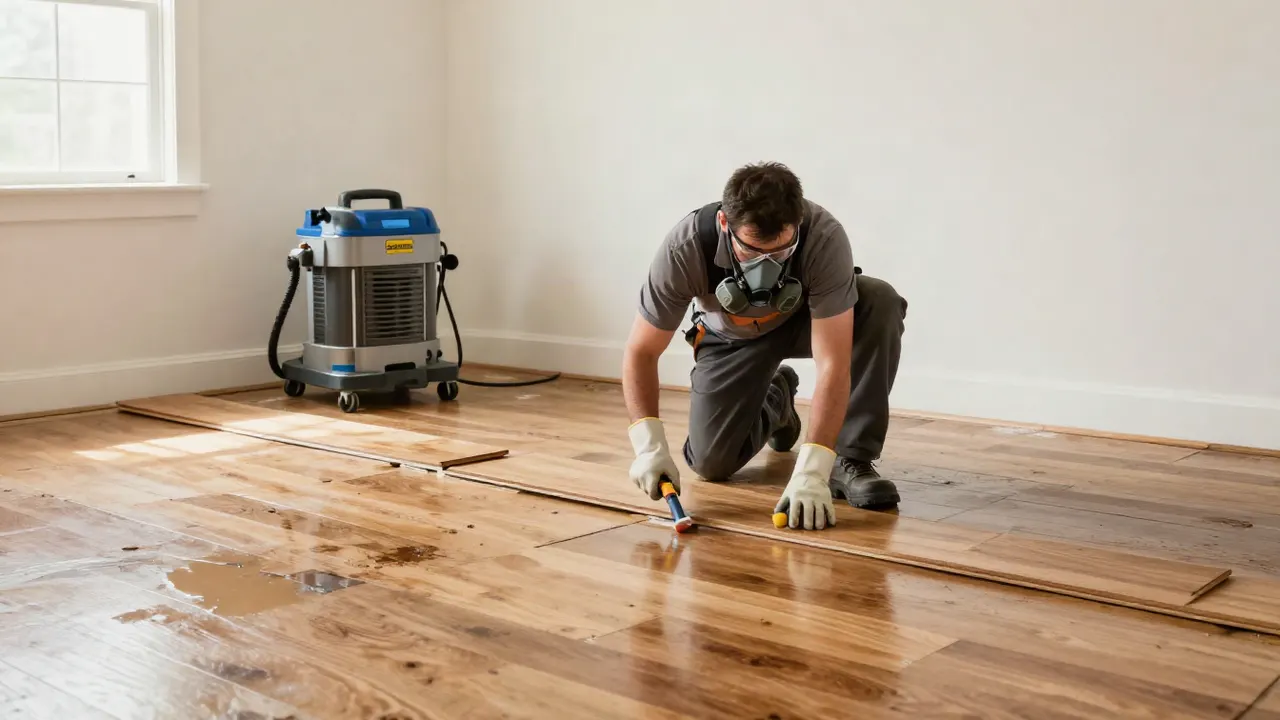
After a summer storm dumps two inches of rain on Hyattsville in an hour, we handle roof leaks, window intrusion, and the flooded basements that follow. We tarp, extract, and dry in one coordinated response.
View service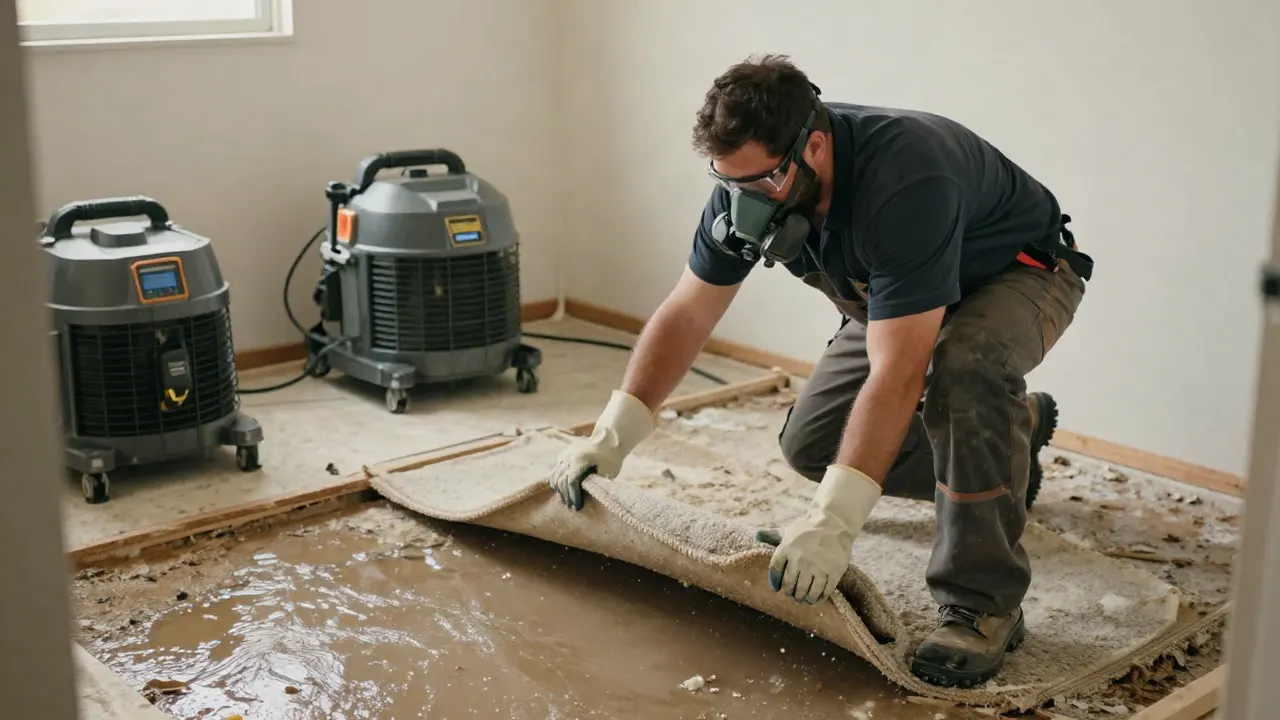
We answer the phone 24 hours a day, 7 days a week, including holidays. Most addresses in Hyattsville see a crew within an hour of your call. Whether it is a burst pipe at 2 a.m. or a slow leak you just noticed, call us and we will get someone out.