Focused arrival windows
Useful updates and clear arrival timing.
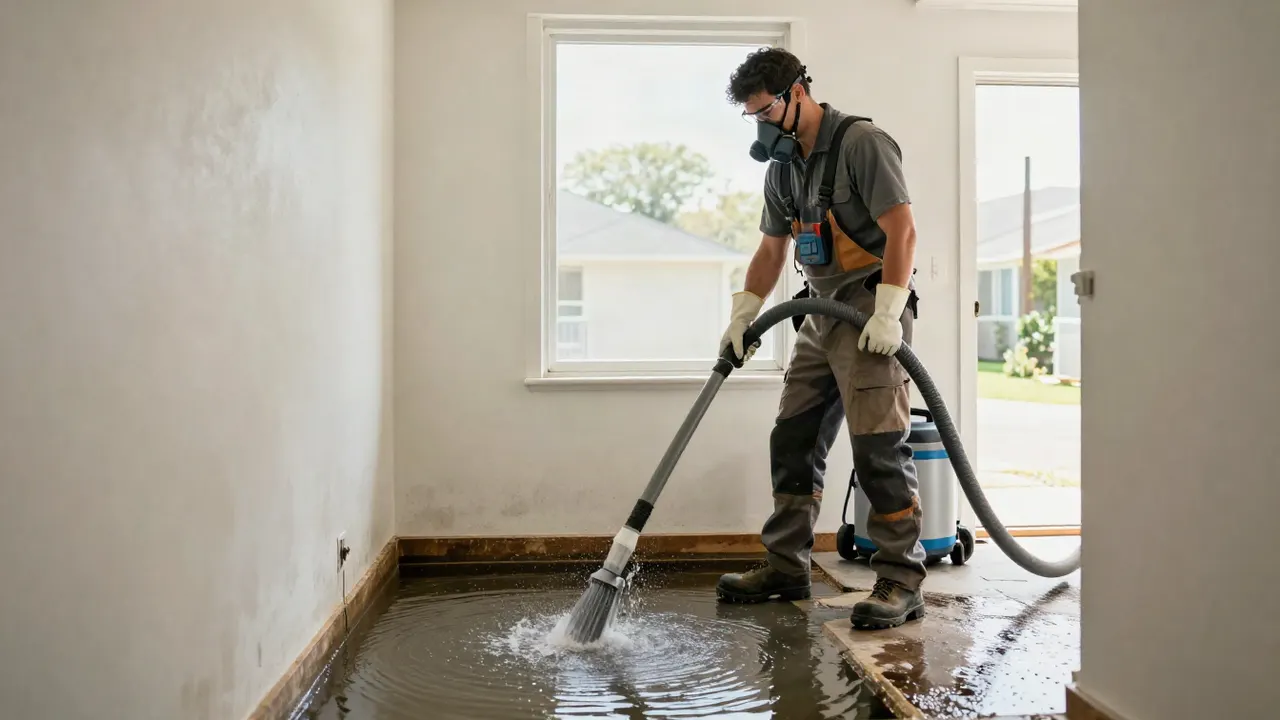
Mold Remediation Hyattsville MD means finding the moisture that feeds the growth, removing the contaminated material, and drying the structure so it does not come back. We handle mold removal Hyattsville MD for homeowners in 20781, 20782, and 20788 who see musty smells, ceiling stains, or fuzzy patches after a leak. Call and we will take a look.
Useful updates and clear arrival timing.
Review the approach and price before deciding.
Equipped vehicles and respectful cleanup.
Neighbors serving neighbors with follow-through.
Every mold job is different, but the core scope is the same. Here is what is included when we run a standard remediation. If your job needs something outside this list, we tell you before we start, not after.
We check every room near the affected area with a moisture meter and thermal imaging camera. We look behind walls with a boroscope and check the attic and crawl space. You get a written summary of what we found and where.
We seal the work area with poly sheeting and run HEPA air scrubbers under negative pressure. That keeps spores from spreading to clean rooms while we work. Containment stays up until the job passes final inspection.
We remove drywall, insulation, carpet padding, and any porous material that cannot be saved. Everything gets bagged and hauled out. We save solid framing, hardwood, and plywood when moisture readings say it is safe.
After removal, we HEPA-vacuum the framing and spray antimicrobial on all affected surfaces. This kills remaining spores and helps prevent regrowth. We treat the whole cavity, not just the visible spot.
We run air movers and dehumidifiers until the structure reads dry on a moisture meter. We check readings daily and document them. When the job is done, we walk the space with you and hand over the report.
Share what is happening and receive a clear next step from the local team.
Mold Remediation Hyattsville MD is the process of containing mold growth, removing contaminated materials, and drying the structure so spores cannot recolonize. It is not a wipe-down with bleach. We set up containment, run HEPA filtration, pull out wet drywall and insulation, treat framing with antimicrobial spray, and dry the cavity with air movers and dehumidifiers until a moisture meter reads normal. Every job follows ANSI/IICRC S520, the standard for mold remediation.
Hyattsville homes deal with mold because of our wet springs, humid summers, and the age of the housing stock. A burst pipe behind a kitchen wall, a roof leak that stains a ceiling, or a basement flooding after a storm all leave hidden moisture. Within 24 to 48 hours, mold growth can start. If you have been searching mold cleanup near me Hyattsville, the smart move is to get a mold inspection and remediation Hyattsville MD crew on site before the growth spreads to a second room.
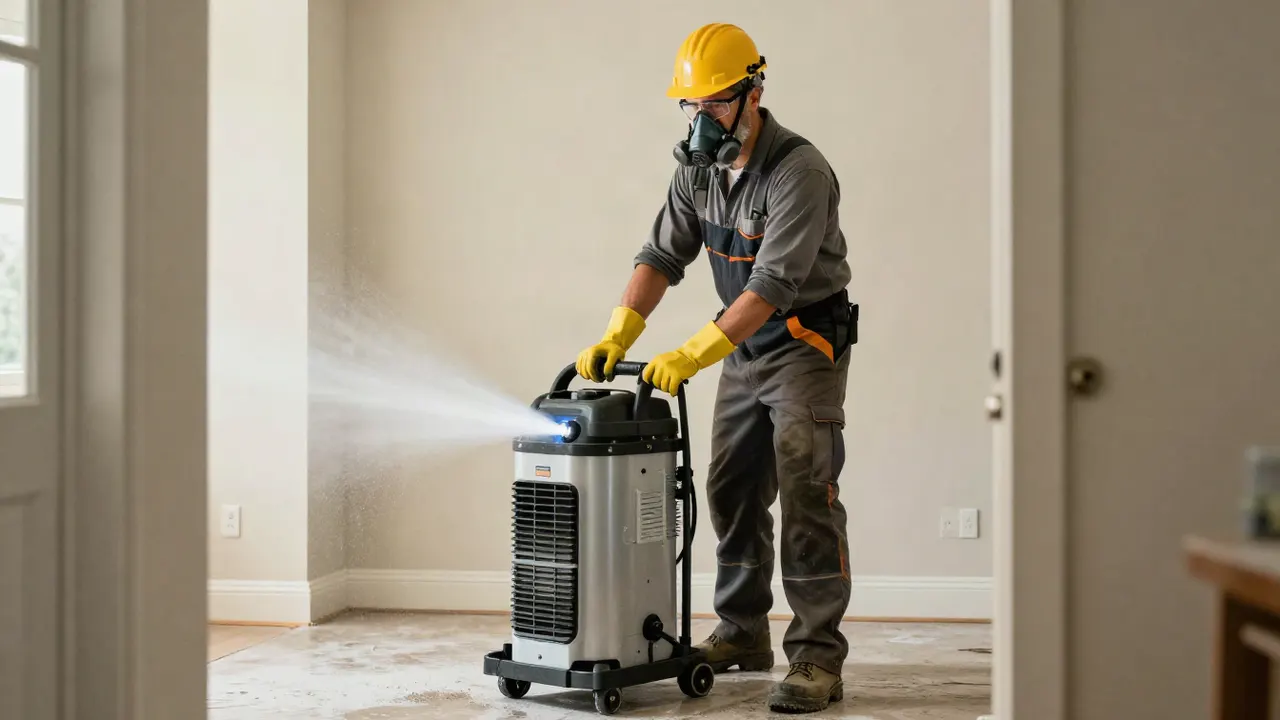
We walk the property with a moisture meter, thermal imaging camera, and boroscope. We check the attic, crawl space, basement, and every wall near a known leak. If you want lab confirmation, we can pull air and surface samples for mold testing and remediation Hyattsville. This visit takes 45 to 90 minutes.
We seal off the work area with 6-mil poly sheeting and zip doors, then run HEPA air scrubbers to keep spores from drifting into clean rooms. Negative air pressure keeps the containment pulling inward. Setup usually takes one to two hours depending on the size of the affected area.
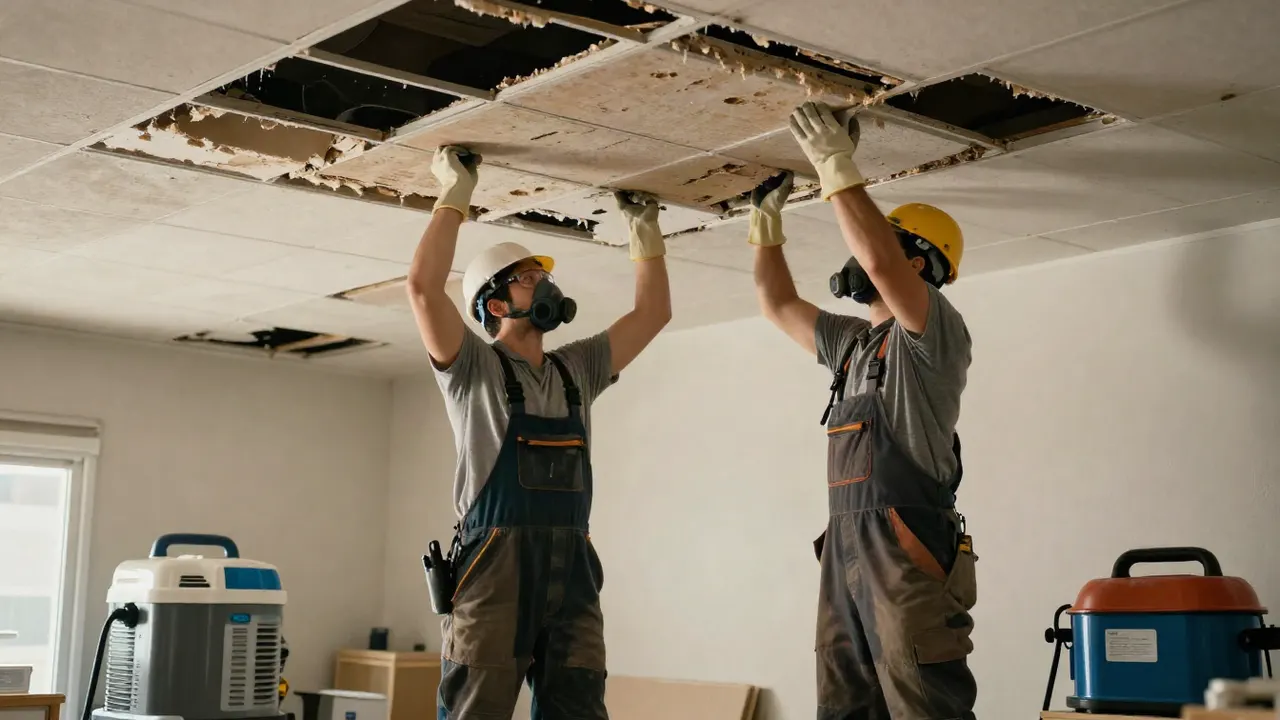
We remove contaminated drywall, insulation, carpet padding, and any porous material that cannot be saved. Framing and solid surfaces get HEPA-vacuumed, then treated with antimicrobial spray. A typical bedroom or bathroom takes one to two days. Larger basement jobs can run three to four days.
We place air movers and dehumidifiers to dry the structure. We check readings every day with a moisture meter and hygrometer. When the framing reads dry, we do a final visual inspection and, if you want, a clearance test. Drying usually takes two to four days.
Once the structure is dry and clean, we can replace drywall, baseboards, and paint so the room looks finished again. You get a written summary with before-and-after photos and moisture readings. We walk the space with you before we leave.
We use these to measure moisture content in drywall, framing, and subfloor, and to track relative humidity in the air. Every remediation job starts and ends with these readings.
This shows temperature differences behind walls, which reveals hidden moisture without cutting. It is how we find mold growth that is not visible yet.
A small camera on a flexible rod. We use it to look inside wall cavities, ceiling voids, and crawl spaces without tearing everything open.
These filter airborne spores down to 0.3 microns and run under negative pressure inside containment. They keep spores from spreading to clean rooms during removal.
We use Dri-Eaz and Phoenix units to pull moisture out of the air and structure. Desiccant units work better in cool crawl spaces, refrigerant units in warm living areas.
High-velocity fans that evaporate moisture from surfaces so dehumidifiers can capture it. We position them based on the room layout and moisture readings.
Applied to framing and solid surfaces after removal. It kills remaining spores and helps prevent regrowth on treated materials.
This is the industry standard for mold work. It covers containment, removal, cleaning, and verification. We follow it on every job, which matters when you are filing an insurance claim or selling a home.
S500 covers water extraction and structural drying. Since mold is almost always a water problem first, we follow S500 during the drying phase to make sure the structure is actually dry before we finish.
We seal the work area and run HEPA scrubbers so air pulls inward. This keeps spores from drifting into clean rooms. We keep containment up until the final inspection passes.
We check moisture readings every day and log them. If a wall is not drying fast enough, we adjust equipment. We do not pull gear until the readings say the structure is dry.
We open the wall, inspect with a boroscope, and remove any moldy drywall and insulation. We treat the framing with antimicrobial spray and dry the cavity with air movers. The wall is dry, treated, and rebuilt. You get a moisture report showing the cavity reads normal before we close it up.
We pump out the water, dry the joists and subfloor, and treat the whole crawl space with antimicrobial spray. We install a vapor barrier if the space has a history of moisture. The crawl space is dry and the smell upstairs goes away. The vapor barrier keeps future moisture from feeding new growth.
We trace the leak, open the ceiling, and remove the moldy drywall. We treat the framing and insulation cavity, then dry it with air movers and a dehumidifier. The ceiling is clean, dry, and repaired. We give you a written note on what the roof needs so the leak does not come back.
We do a full mold inspection and remediation Hyattsville MD assessment, including air and surface samples if you want lab confirmation. We scope the work and give you a written estimate you can use in negotiations. You know exactly what the mold job costs before you close. If you buy, we can schedule the work right after settlement.
Hyattsville sits in Prince George's County, and our weather swings from humid summers to wet springs and freeze-thaw winters. That cycle keeps moisture in the air and in the ground. A lot of the housing stock here was built before 1978, which means older plumbing, original windows, and crawl spaces that were never sealed. When a slab leak or a burst pipe goes unnoticed, mold growth can start in 24 to 48 hours. We run professional mold removal in Hyattsville Maryland with that in mind. We check the crawl space, the attic, and the wall cavities near every known leak. We follow ANSI/IICRC S520 for remediation and S500 for drying. If your job needs a permit for the rebuild, we pull it through Prince George's County. Most calls in 20781 and 20782 get a same-day look, and we bring the moisture meter and thermal camera on the first visit.
Older rowhomes and commercial buildings with original plumbing. Slow leaks behind kitchen and bathroom walls are common, and mold often shows up on baseboards first.
Newer construction with tight envelopes. When a pipe leaks, moisture gets trapped in the wall cavity and mold grows fast because there is no airflow.
Many homes here have crawl spaces that stay damp after rain. We see mold on joists and subfloor, and we often recommend a vapor barrier after remediation.
Tree cover keeps roofs shaded and slow to dry after storms. Roof leaks here often lead to attic mold that goes unnoticed until it shows on a ceiling.
Basements in this area take on water during heavy rain. We extract, dry, and remediate, then check the foundation for the entry point.
High humidity slows drying and feeds mold even without a leak. We run dehumidifiers longer in July and August, and we check crawl spaces that stay damp all season.
Pipes in exterior walls can freeze and burst, sending water into wall cavities. Mold can start before you notice the leak. We inspect the whole wall, not just the visible wet spot.
Galvanized and early copper lines corrode from the inside. Slow leaks behind walls are common. We use a boroscope and thermal camera to find moisture that is not visible.
Wind-driven rain pushes water into attics and ceiling cavities. Wet insulation holds moisture and grows mold. We dry the attic and remediate before the ceiling shows damage.
A slow leak under a Hyattsville kitchen sink went unnoticed for weeks. The cabinet base and adjacent drywall were black with mold, and the moisture meter read 28% in the framing. The homeowner noticed a musty smell but could not find the source.
We contained the area, removed the moldy cabinet base and drywall, treated the framing with antimicrobial spray, and dried the cavity for three days. Final moisture readings were 11% to 13%, which is normal for indoor framing. The cabinet was rebuilt and the smell was gone.
Maintenance: Check under sinks monthly for drips and discoloration. Fix any leak within 24 hours. Keep the cabinet door open after cleaning so the base dries fully.
A finished basement in Riverdale Park took on two inches of water during a summer storm. The carpet padding and bottom two feet of drywall stayed wet for five days before the homeowner called. Mold was visible along the baseboards and the room smelled damp.
We extracted standing water, removed wet carpet padding and drywall, treated the framing, and ran dehumidifiers for four days. Moisture readings dropped from 24% to 12%. We replaced the drywall and baseboards, and the homeowner reinstalled carpet over new padding.
Maintenance: Keep gutters clear and check the sump pump before storm season. Run a dehumidifier in the basement during humid months to keep relative humidity below 60%.
A roof leak in Kirkwood soaked attic insulation for months before a ceiling stain appeared. The attic sheathing and rafters had mold growth across a 10-by-12-foot section. The insulation was saturated and the moisture meter read 30% in the rafters.
We removed the wet insulation, HEPA-vacuumed and treated the rafters and sheathing with antimicrobial spray, and dried the attic with air movers and a dehumidifier for three days. Final readings were 12% to 14%. The roof was repaired and new insulation was installed.
Maintenance: Inspect the attic twice a year for stains, damp insulation, or musty smells. Fix roof leaks as soon as you see them. Keep attic vents clear so the space can dry.
Mold shows up in different ways depending on where the water came from. Here are the ones we see most often in Hyattsville homes.
The smell means mold is growing somewhere you cannot see, usually behind drywall or under flooring. If you ignore it, the growth spreads and the remediation gets more expensive. We use a thermal imaging camera and boroscope to find the hidden moisture. Once we locate it, we open the cavity, contain the area, and remediate. Most hidden-growth jobs are resolved in three to four days.
This usually points to a slow leak or condensation issue that has been feeding mold for weeks. Black mold remediation Hyattsville jobs often start here because the growth is visible and spreading. We test the area, remove the affected drywall or trim, treat the framing, and fix the moisture source. If the window or siding is leaking, we note it so you can get it repaired before the mold returns.
Floodwater leaves organic debris and moisture in the concrete and framing. Mold can start within 24 to 48 hours. Waiting a week means the growth has moved into the walls and insulation. We extract standing water, remove wet materials, treat with antimicrobial spray, and dry the space with dehumidifiers. We check moisture readings daily and do not stop until the basement is dry.
A recurring stain means the leak is still active, and the back of the drywall is likely growing mold. Painting over it traps the problem and lets it spread into the attic. We trace the leak, open the ceiling, and inspect with a boroscope. If mold is present, we remediate the cavity, dry it, and repair the drywall. We also tell you what the roof or pipe needs so the leak stops.
$850 - $6,500 depending on scope
Typical 2026 pricing in this area runs $1,200 to $6,500 for most mold remediation jobs, with small bathroom or closet jobs starting around $850. The price depends on how much material has to come out, how big the affected area is, and whether the moisture source is fixed. We give you a written scope before we start, so you know what is included. If you are filing insurance, we work in Xactimate and document everything your adjuster needs.
Mold remediation is not a cosmetic fix. It protects your framing, your air quality, and your resale value. Doing it right the first time costs less than doing it twice.
A 20-square-foot bathroom is a different job than a 600-square-foot basement. More area means more containment, more removal, and more drying equipment. That is the biggest driver of cost.
Drywall, insulation, and carpet padding are porous and usually have to go. Hardwood flooring and plywood can sometimes be dried and saved, which lowers the cost. We check moisture readings before deciding.
If the leak is still active, we have to stop it before remediation. A fixed source means the job can start immediately. An active slab leak or roof leak adds a step and can add cost.
A crawl space or a wall behind a built-in cabinet takes longer to contain and work in. Tight access means more labor hours. We scope this on the first visit so there are no surprises.
Air and surface samples add $300 to $600 depending on how many are pulled. Some homeowners want lab confirmation before and after. It is optional, but it is useful for insurance or a real estate sale.
We had a slow leak under the kitchen sink that we did not catch for weeks. The cabinet base was black with mold. They came out same day, showed me the moisture readings, and had containment up within two hours. Four days later the cabinet was dry, treated, and rebuilt. The smell is gone and the moisture meter reads normal.
Our basement flooded after a storm and mold showed up on the baseboards within a week. They pulled the wet drywall, treated the framing, and ran dehumidifiers for three days. They sent photos every day so I could see the progress while I was at work. Insurance covered most of it because their paperwork was clean.
I manage six rentals and mold is my biggest headache. This crew has handled three jobs for me this year. They scope it, document it, and finish when they say they will. The last one was a crawl space in Chillum that was full of growth. They remediated it, installed a vapor barrier, and it has stayed dry since.
Most Hyattsville mold jobs run $1,200 to $6,500, with small bathroom or closet jobs starting around $850. The price depends on the square footage affected, whether we have to remove drywall or flooring, and whether the source was a one-time leak or ongoing moisture. We give you a written scope before we start, so you know what you are paying for.
Yes, Stachybotrys, often called black mold, produces mycotoxins and can trigger respiratory issues, headaches, and allergy symptoms. It needs constant moisture to grow, so it usually shows up after a slow leak or flooding. If you see black patches near a water stain, do not disturb them. Call us for a mold inspection and remediation Hyattsville MD visit so we can test and contain it safely.
A single room usually takes two to four days from containment to final drying. A full basement or multiple rooms can run five to seven days. The variable is drying time, not removal. We check moisture readings daily and do not pull equipment until the framing reads dry, because stopping early is how mold comes back.
Removal and drying typically do not require a permit, but the rebuild phase often does. If we replace drywall, insulation, or electrical components, Prince George's County may require a permit. We pull the right permits when they are needed and schedule inspections so your project stays code-correct from start to finish.
Not seeing your question? Our local team can help you understand urgency, scheduling and what to expect.
Ask the local team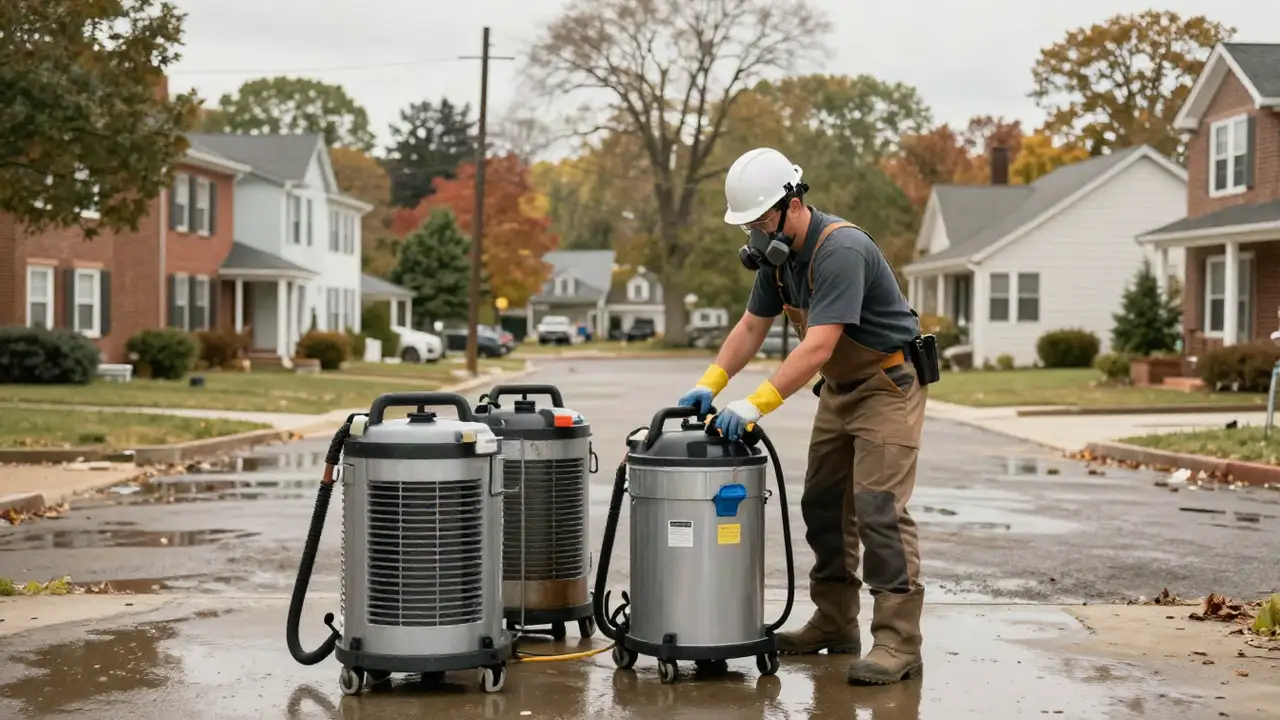
Mold starts within 24 to 48 hours of a leak, so fast water removal is the first line of defense. We extract standing water, then hand off to mold remediation if growth has already started. Same-day response across Hyattsville.
View service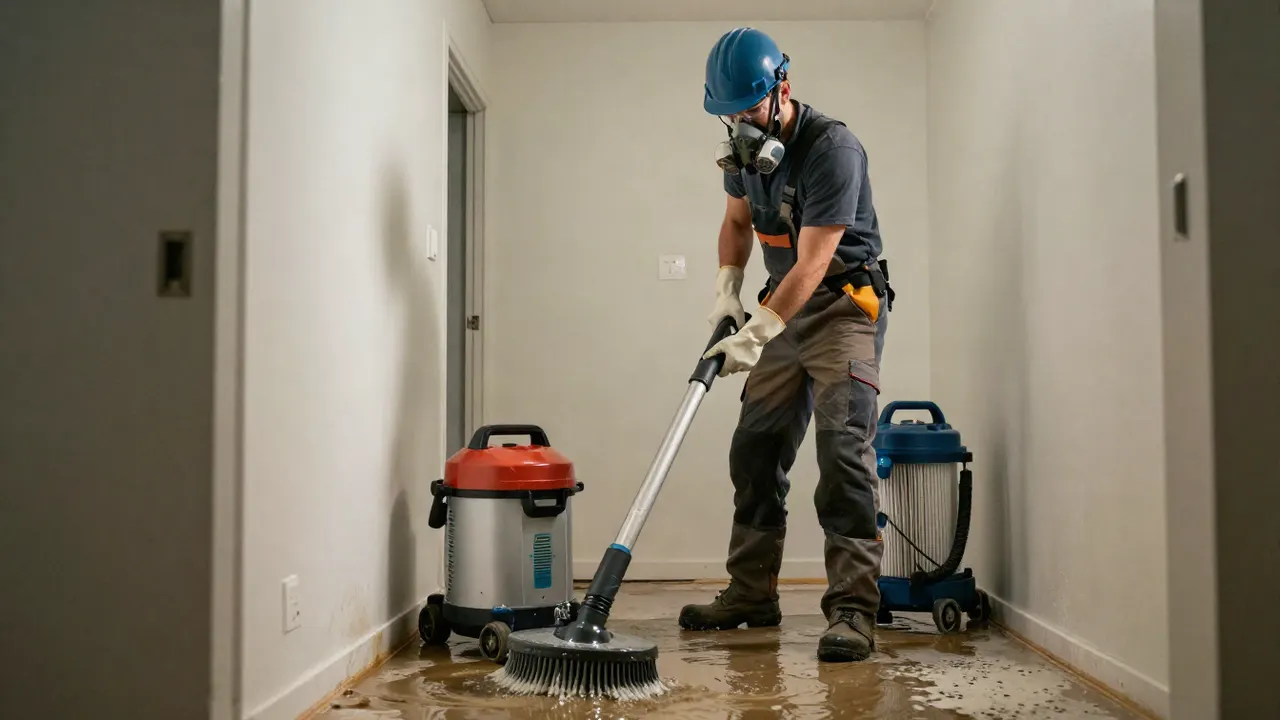
Floodwater carries silt and contaminants that feed mold. We remove debris, extract water, and treat surfaces before mold can colonize. If your basement took on water during a storm, this is the first step before remediation.
View service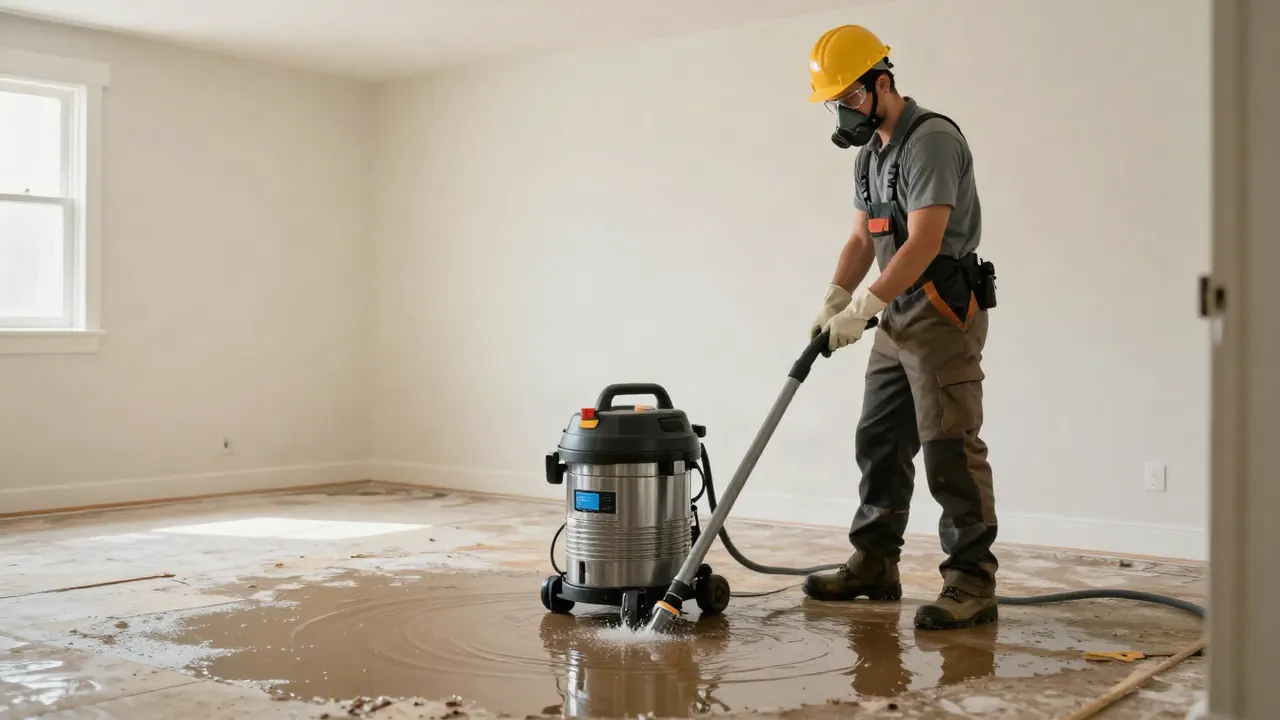
Basements in Hyattsville stay damp, and damp concrete grows mold fast. We extract water, dry the slab and walls, and check for hidden moisture behind paneling. If growth is already visible, we move straight into remediation.
View service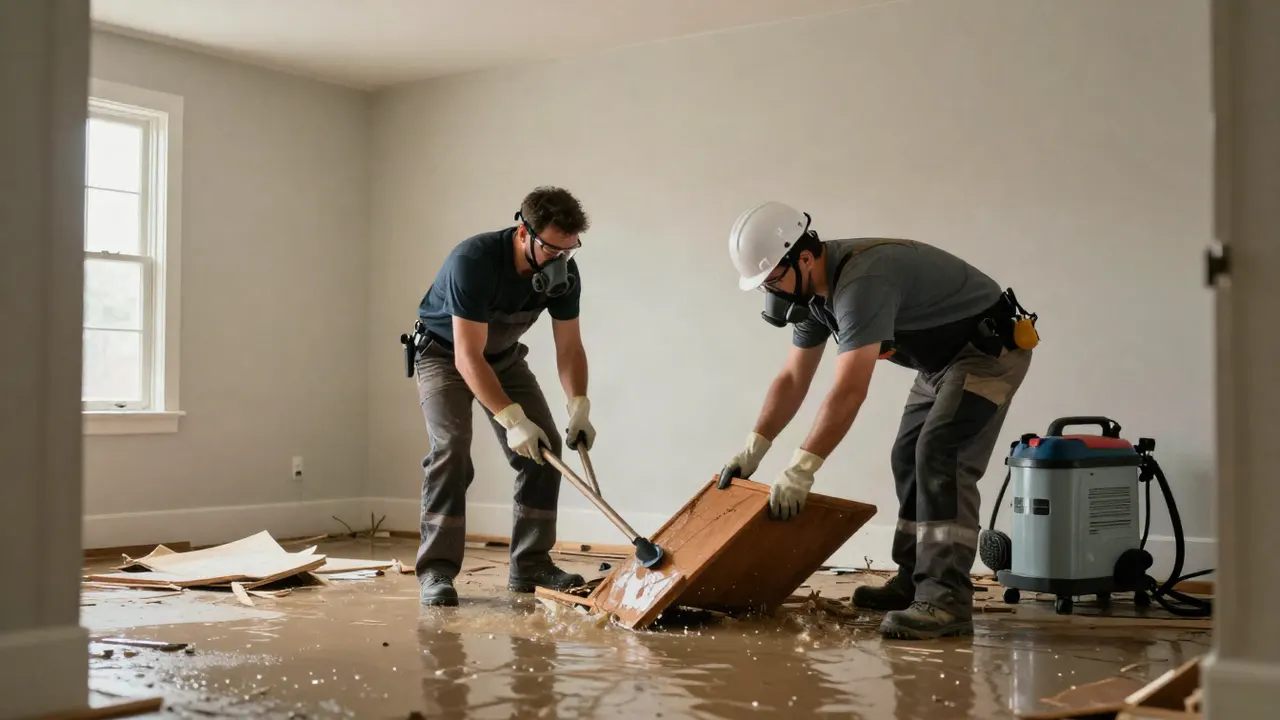
Sewage backups are Category 3 water, which means mold risk is high and contamination is serious. We remove affected materials, disinfect, and dry the space. Mold remediation often follows because the organic load feeds growth quickly.
View service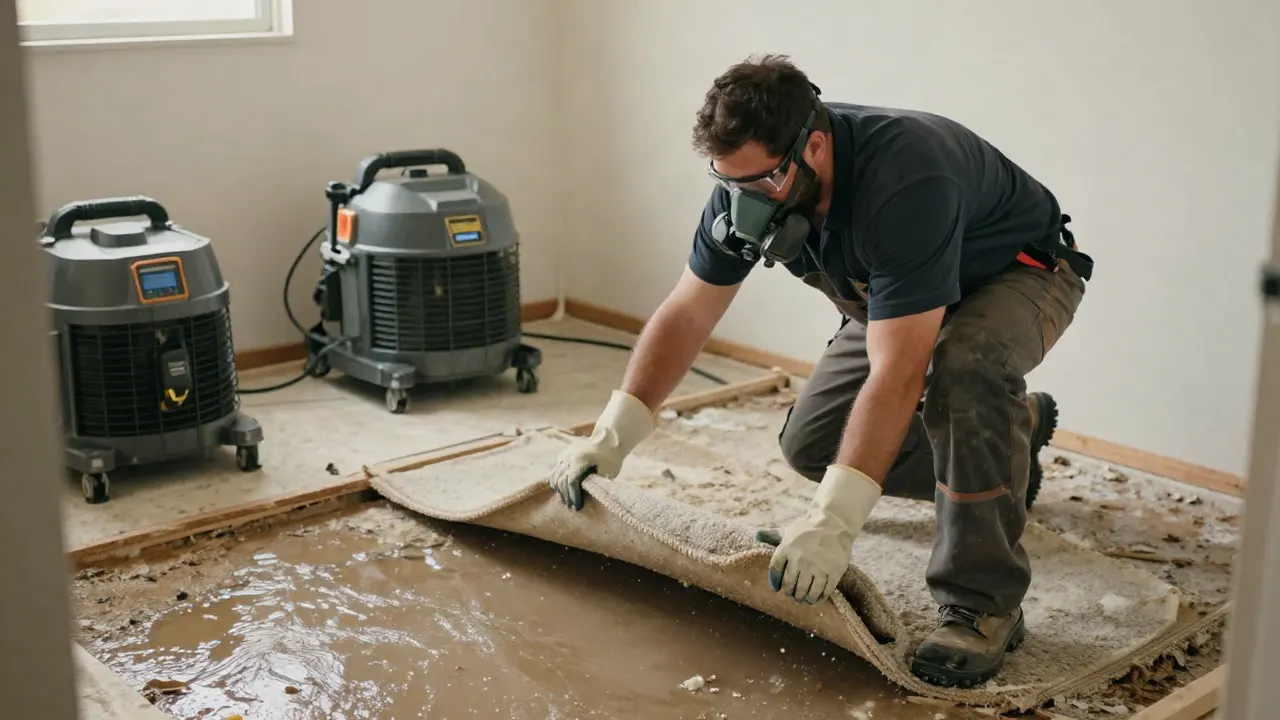
We answer the phone 24 hours a day, 7 days a week, including holidays. Most addresses in Hyattsville see a crew within an hour of your call. Whether it is a burst pipe at 2 a.m. or a slow leak you just noticed, call us and we will get someone out.