Focused arrival windows
Useful updates and clear arrival timing.
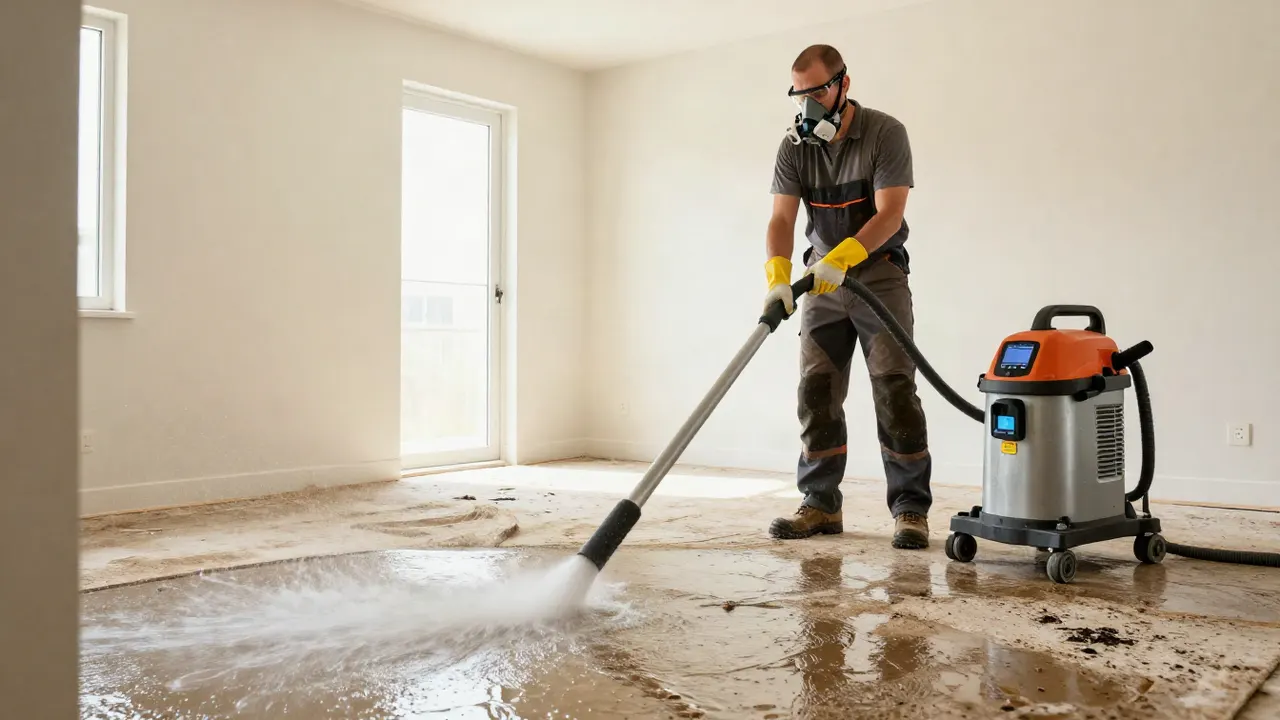
Carpet Water Extraction and Drying Hyattsville MD is the weighted extraction and controlled drying of soaked carpet and pad, and we run it 24/7 across Prince George's County. A burst pipe, sewage backup, or flooded basement leaves carpet holding gallons per square yard. We pull that water out, dry the pad and subfloor, and meter every room before we call it done.
Useful updates and clear arrival timing.
Review the approach and price before deciding.
Equipped vehicles and respectful cleanup.
Neighbors serving neighbors with follow-through.
Every job includes the extraction, the drying equipment, daily moisture checks, and the final verification. What changes is the scope: how many rooms, whether pad is replaced, and whether the water reached walls or subfloor. We tell you what is covered before we start, and we do not add line items after the fact.
We meter and thermally image every affected room to find the full wet zone, including water that has wicked into baseboards and drywall. This step decides how much equipment the job needs and prevents us from leaving a wet corner behind.
Our extraction units pull water from the carpet face, backing, and pad. Heavily soaked carpet gets extracted from both sides. A typical room takes 45 to 90 minutes, and we show you the water pulled out in the recovery tank.
Soaked pad rarely dries fast enough to save, and old foam pad crumbles. We pull wet pad, bag it, and replace it after the subfloor is dry. New pad is included in the scope when the loss requires it.
We set air movers along the walls and size dehumidifiers to the room volume. Equipment runs continuously for 48 to 72 hours, and we check readings daily. You are not left to guess whether it is working.
Where water category or timing raises the mold risk, we apply antimicrobial spray to the tack strip, subfloor, and carpet backing. This is standard on sewage and flood losses and common on pipe bursts that sat overnight.
We do not pull equipment until a moisture meter and hygrometer confirm the carpet, pad, and subfloor are dry. You get a drying report with the readings, which is also what your insurance adjuster needs to close the claim.
Share what is happening and receive a clear next step from the local team.
Carpet Water Extraction and Drying Hyattsville MD is the process of removing standing water from carpet and pad with high-vacuum extraction units, then drying the carpet, padding, tack strip, and subfloor to verified moisture levels. It is not a shop vac job. Carpet holds water in the face yarn, the backing, and the pad, and a wet pad against a plywood subfloor starts growing mold in 24 to 48 hours. We extract first, then place air movers and dehumidifiers until a moisture meter reads dry.
Carpet water removal Hyattsville MD calls come from everywhere: a slab leak under a first-floor living room, a burst pipe in a West Hyattsville bungalow, a sewage backup in a basement laundry room, or a roof leak that soaks a bedroom carpet before you notice the ceiling stain. In older Hyattsville housing stock, carpet padding is often the original 20-year-old foam, which crumbles once soaked and traps water against the floor. That is why we pull pad, dry the structure, and replace it rather than trying to save it.
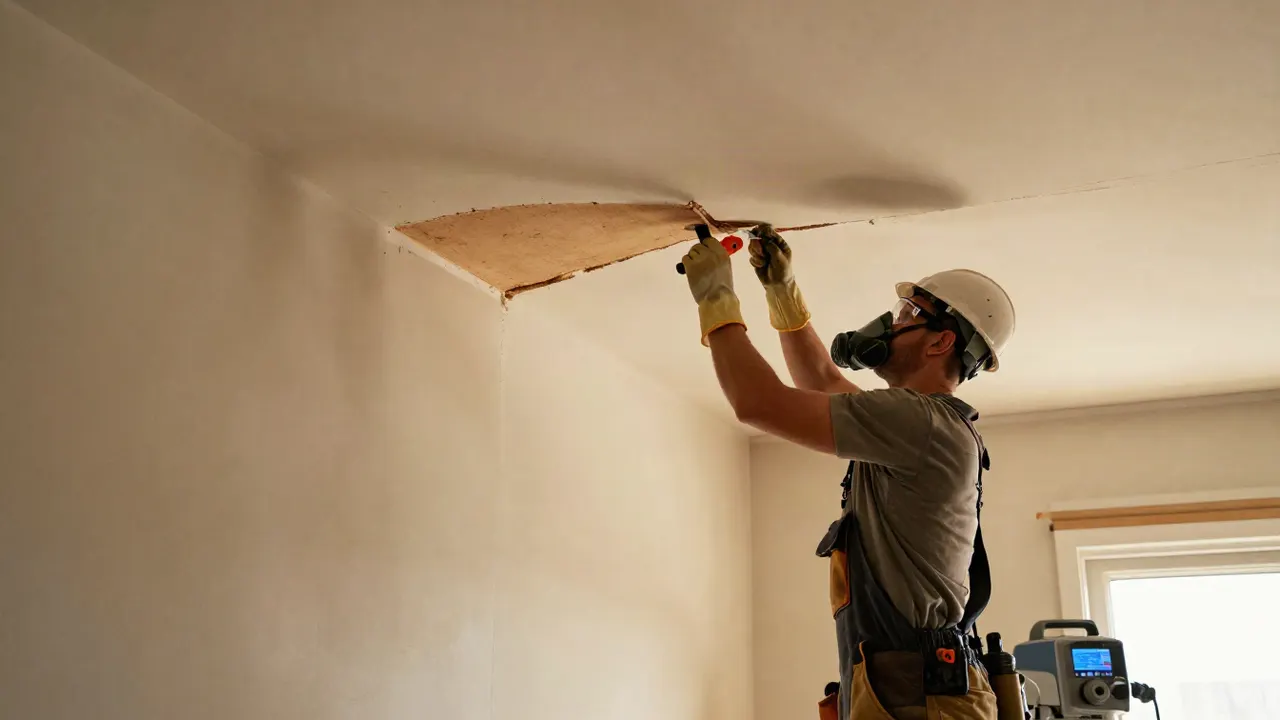
You call and describe the water source, the rooms affected, and how long the carpet has been wet. We ask about sewage, because that changes the safety protocol. A crew is dispatched with extraction and drying equipment, and we give you a realistic arrival window on the phone, not a vague promise.
We walk the affected rooms with a moisture meter and thermal imaging camera to map the wet zone, including water that has wicked up drywall and baseboards. A boroscope checks behind walls where a slab leak or pipe burst may have spread water. You get a written scope and price before extraction begins.
Weighted extraction units pull water from the carpet face, backing, and pad. On heavily soaked carpet, we may pull and bag the pad first, then extract the carpet from both sides. A 200-square-foot room typically takes 45 to 90 minutes to extract. Sewage-affected carpet is removed and disposed of, not dried.
We set air movers along the walls to drive airflow across the carpet and place dehumidifiers to pull moisture from the air. Desiccant dehumidifiers are used in cool basements where refrigerant units lose efficiency. Drying usually runs 48 to 72 hours, and we check moisture readings daily to confirm the curve is dropping.
We do not pull equipment until a moisture meter and hygrometer confirm the carpet, pad, and subfloor are at normal levels for the space. Then we reset furniture, reinstall or replace pad, and leave you with a drying report. If the carpet needs cleaning after drying, we schedule that before we leave.
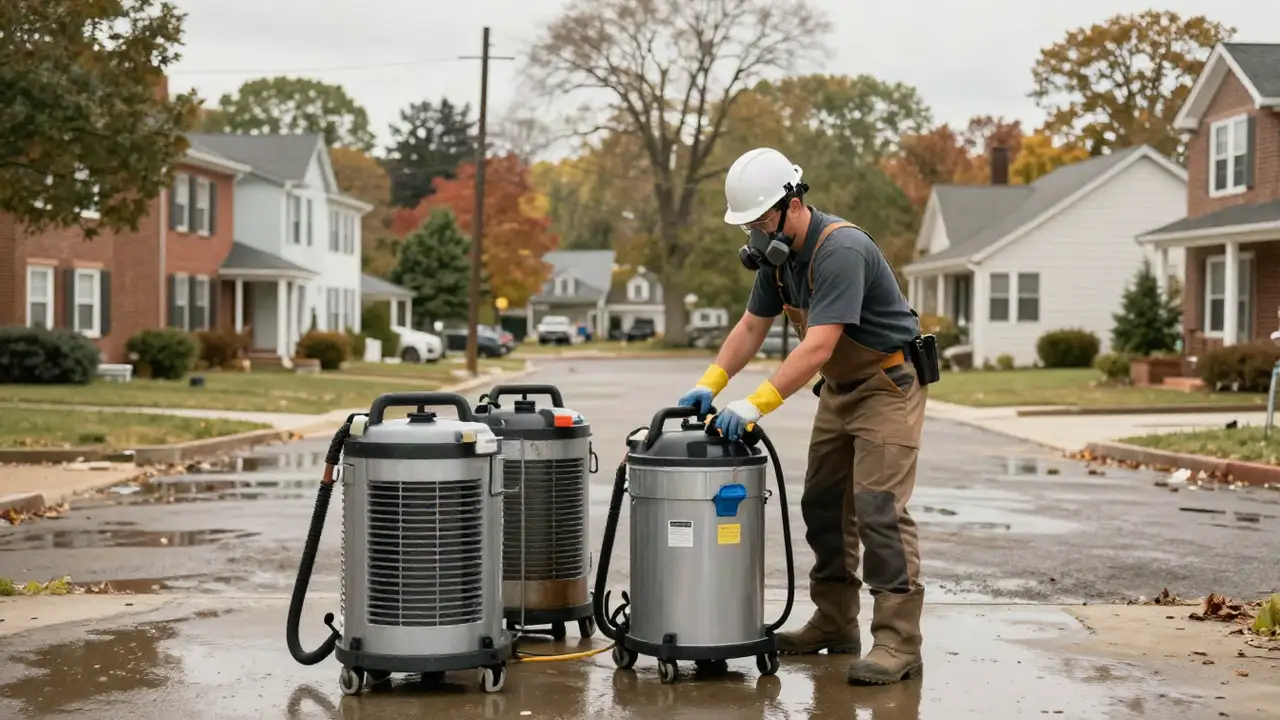
Pulls water from carpet face, backing, and pad under pressure. We use Dri-Eaz and Phoenix extraction units sized to the job, and we extract from both sides on heavily soaked carpet.
A moisture meter reads moisture content in carpet, pad, and subfloor. A hygrometer reads relative humidity in the room. We use both to set drying goals and to verify the job is done.
Finds temperature differences that reveal hidden water behind walls, under carpet, and in ceiling cavities. It is how we catch water that traveled away from the visible wet spot.
High-velocity fans placed along walls to drive airflow across the carpet surface. Correct placement is what speeds evaporation. We reposition them daily as the carpet dries.
Refrigerant dehumidifiers work well in warm rooms; desiccant dehumidifiers are used in cool Hyattsville basements where refrigerant units lose efficiency. We size them to the room volume.
A camera on a flexible probe that lets us look behind baseboards and inside wall cavities without cutting. It confirms whether water from a slab leak or pipe burst has spread beyond the carpet.
Applied to tack strip, subfloor, and carpet backing where water category or timing raises the mold risk. It is standard on sewage and flood losses and common on overnight pipe bursts.
The S500 standard defines water categories, drying goals, and documentation for water losses. We classify the water, set drying goals by material, and document readings to the standard so the job is defensible for insurance.
When mold is already present, S520 governs containment, removal, and treatment. We follow it on sewage and flood losses and on any job where carpet stayed wet long enough for growth to start.
We take moisture readings every day and compare them to the drying goal. If the curve flattens, we adjust airflow or dehumidification rather than waiting. That is how we avoid a job that runs a week and still smells.
We write the scope in Xactimate line items, which is the estimating format most carriers accept. Combined with photos and daily readings, it gives your adjuster what they need to approve the claim.
We extract the bedroom carpet, cut and dry the wet ceiling drywall, and dry the wall cavity the water traveled through. The carpet and ceiling are dried together so the carpet does not get re-wet from above. The bedroom carpet is dry in 48 to 72 hours, and the ceiling is repaired and painted without a separate drywall contractor.
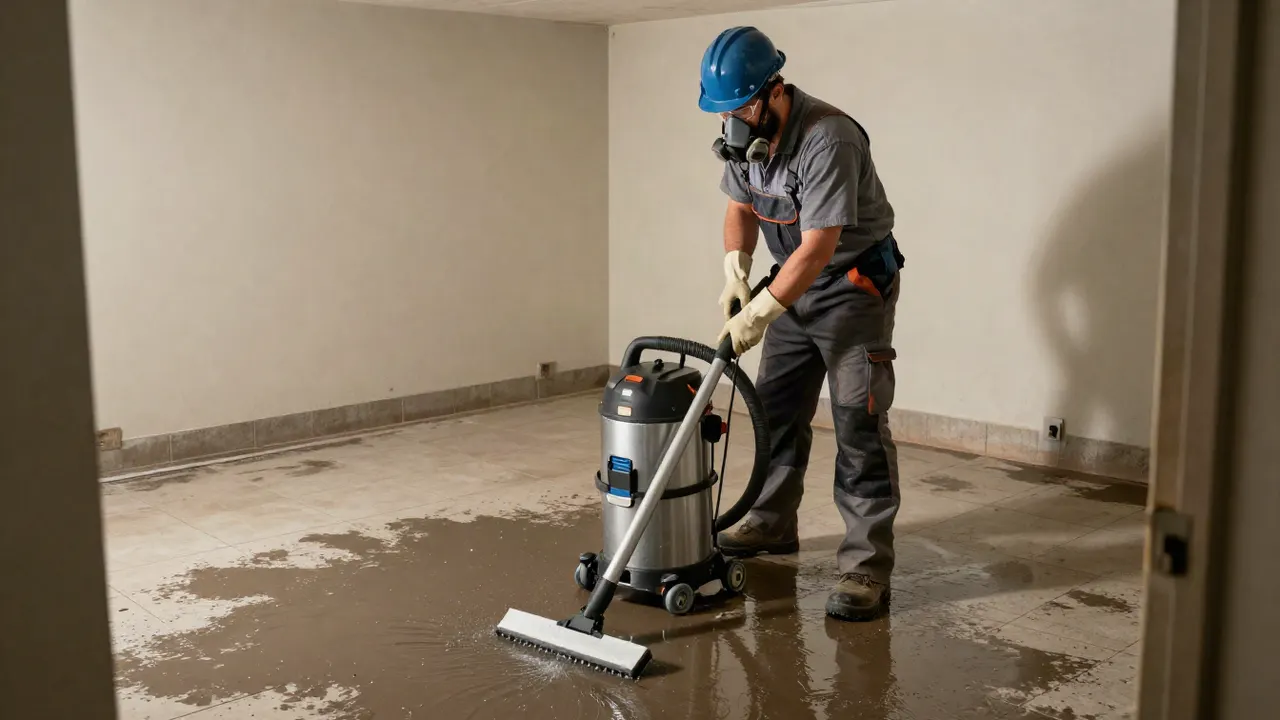
We pump and extract the standing water, pull the soaked pad, and set air movers and a desiccant dehumidifier because basement air is cool and humid. We check the bottom plates and baseboards for wicking. The basement carpet and slab are dry in about 72 hours, and the finished space is usable again without replacement.
We extract the carpet, lift it to dry the plywood subfloor, and replace the wet pad. A moisture meter confirms the subfloor is dry before the carpet goes back down. The hallway is dry in two days, and the original hardwood under the carpet is checked and saved.
We tarp the roof if rain is still coming, extract the carpet, and dry the ceiling and wall assemblies above it. Thermal imaging finds the water that traveled sideways in the ceiling. The carpet and ceiling are dry in 72 hours, and the roof repair is coordinated so the drying is not undone.
Hyattsville sits in Prince George's County, and the local housing stock shapes how carpet drying works here. Many homes in West Hyattsville, Kirkwood, and Queens Chapel were built in the 1920s through 1950s, with pier-and-beam floors, original hardwood under carpet, and basements that take on water after heavy summer storms. When a pipe bursts in one of these homes, water reaches the crawl space and the subfloor faster than in a newer slab home, so we check below the carpet, not just the carpet. Summer humidity is the other factor. A wet carpet in July will not dry with fans alone; we run dehumidifiers to pull moisture from the air, or the carpet stays damp and the smell sets in. Winter brings a different problem: frozen pipes in older exterior walls burst when they thaw, and the water often runs along a joist before it shows in the carpet. That is why we use thermal imaging on winter losses. If you are searching for professional carpet water removal in Hyattsville Maryland after a storm or a burst pipe, we run same-day extraction across 20781, 20782, and 20788 and know which blocks flood first.
Older bungalows with pier-and-beam floors and original hardwood under carpet. We check the crawl space and subfloor on every extraction here.
A mix of renovated older homes and newer infill. Renovations sometimes put carpet over concrete, which dries differently than plywood.
Condos and mixed-use buildings with shared walls. Water from one unit can reach a neighbor's carpet, so we check adjacent units.
Established homes with basements that take on water after heavy rain. Sump pump failures are a common call here.
A mix of single-family homes and small apartment buildings. We handle both residential and small commercial carpet losses here.
Carpet will not dry with air movers alone. We run dehumidifiers to pull moisture from the air, or the carpet stays damp and odor develops.
Water runs along joists before it shows in the carpet. We use thermal imaging to find the full path and dry the structure, not just the visible wet spot.
Older Hyattsville basements leak at the cove joint and through foundation walls. We check the bottom plates and baseboards for wicking after extracting carpet.
A supply line burst under a kitchen sink in West Hyattsville and ran overnight. The dining room carpet was soaked through, the pad was heavy with water, and the baseboards were wicking moisture up 3 inches.
We extracted the carpet, pulled and bagged the pad, and set air movers and a dehumidifier. Moisture readings dropped from 38% to 11% in 60 hours. The baseboards dried in place, and new pad and the original carpet went back down.
Maintenance: Keep an eye on the supply line fittings under the sink and shut the water off before vacations. A $15 braided line is cheaper than a carpet replacement.
A sump pump failed during a July storm and an inch of water spread across a finished basement carpet in Kirkwood. The pad was saturated, and the room smelled musty within a day.
We pumped and extracted the standing water, removed the pad, and ran a desiccant dehumidifier because the basement air was cool and humid. The carpet and slab read dry in 72 hours, and the smell was gone.
Maintenance: Test the sump pump every spring by pouring a bucket of water into the pit. A battery backup is worth the cost if the basement is finished.
A roof leak soaked a bedroom carpet in the Hyattsville Arts District before the ceiling stain showed. Water had traveled sideways in the ceiling and dripped into the carpet near the closet.
We tarped the roof, extracted the carpet, and dried the ceiling and wall assemblies with thermal imaging guiding the setup. The carpet and ceiling read dry in 68 hours, and the ceiling was repaired and painted.
Maintenance: Check the roof flashing around the chimney and skylights each fall. A small leak caught early is a drying job, not a reconstruction.
Wet carpet is rarely just wet carpet. The water came from somewhere, and it is affecting something else. These are the problems we solve on Hyattsville jobs, and how we keep a small loss from becoming a big one.
Water keeps spreading under furniture and into baseboards, and the pad starts growing mold within 24 to 48 hours. We extract the standing water, pull the wet pad, and set drying equipment the same day. A moisture meter confirms when the carpet and subfloor are dry, so you are not guessing.
The smell is bacteria and mold in wet padding and baseboards. It gets worse, not better, and it spreads into the rooms above. We remove the contaminated pad, treat the subfloor and tack strip with antimicrobial spray, and dry the carpet face. Most customers notice the smell gone within a day of drying.
Sewage is Category 3 water and carries bacteria and pathogens. Drying it in place spreads contamination through the house. We remove and dispose of the carpet and pad, extract the remaining water, and treat the subfloor to ANSI/IICRC S520 standards. We also check adjacent drywall for wicking.
Without documented readings, a claim can be denied or reduced, and you pay out of pocket for drying you needed. We photograph moisture readings before, during, and after drying, log daily conditions, and write the scope in Xactimate. That documentation is what carriers accept.
$250 - $3,500 depending on scope
Typical 2026 pricing in Hyattsville runs $250 to $900 for a single room and $1,200 to $3,500 for a full basement or multiple rooms, depending on how much carpet is wet, whether pad must be replaced, and how long drying takes. Sewage and flood losses cost more because the carpet is removed and the subfloor is treated. We meter the rooms and give you a written price before extraction starts, so you know the number before we pull a hose.
Extraction and drying cost far less than replacing carpet, pad, and subfloor. Catching it same-day is what keeps the job in the lower half of that range and keeps mold out of the walls.
Price scales with the area of wet carpet. A single bedroom is a smaller job than a finished basement, and equipment count and drying time go up with square footage.
Clean water from a supply line is the simplest job. Sewage backup and floodwater are Category 3, which means carpet removal, disposal, and antimicrobial treatment, and that adds cost.
Soaked pad usually has to be replaced. New pad is a material cost on top of extraction and drying, and it is included in the scope when the loss requires it.
Most jobs dry in 48 to 72 hours. Cool basements and thick carpet can take 96 hours, which means more equipment days and a higher drying charge.
Furniture, tight stairwells, and finished basements slow the work. Pack-out of contents adds cost but speeds drying and protects furniture from water stains.
Most sudden pipe bursts and appliance failures are covered. We document in Xactimate so your adjuster can process the claim, and you pay only your deductible in covered losses.
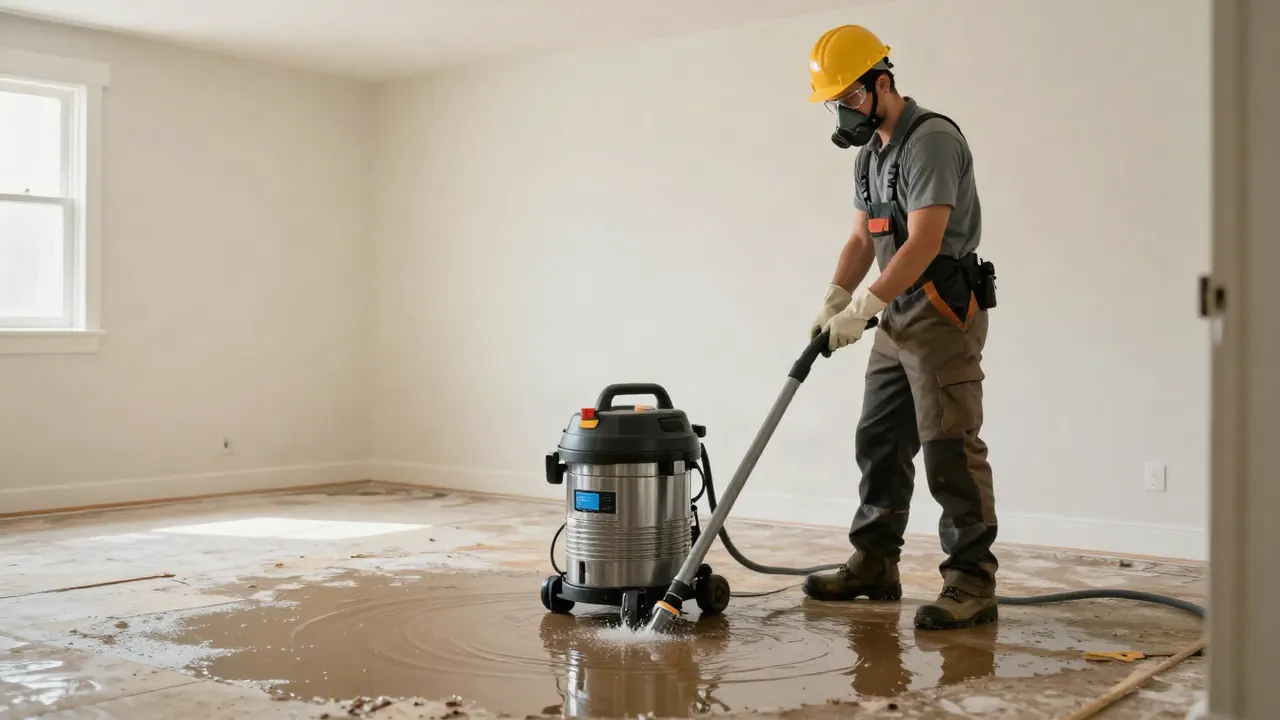
We have been drying carpet in Hyattsville since 2012, and our technicians hold IICRC WRT and IICRC ASD credentials, with AMRT training for jobs where mold is already present. We follow ANSI/IICRC S500 for water losses and ANSI/IICRC S520 when microbial growth is involved. That means we classify the water, set drying goals, and document the job the way the standards require. Our crews work with Dri-Eaz and Phoenix extraction and drying equipment, and we meter every room before and after. If a competitor tells you the carpet will dry on its own, ask them what the moisture reading was.
A pipe burst under our kitchen sink at 11 p.m. and by morning the carpet in the dining room was squishy. They came out same day, pulled the pad, and set air movers. The tech showed me the moisture readings each day and explained why the carpet was not dry yet on day two. By day three it was dry and the smell was gone. Fair price and no surprises.
We had a sewage backup in a ground-floor office that soaked the carpet. They removed the carpet and pad the same day, treated the slab, and documented everything for our insurance carrier. The Xactimate report matched what the adjuster expected, which made the claim easy. I have used them twice since for smaller leaks.
Our basement carpet got wet from a sump pump failure after a storm. They extracted the water, dried the carpet and the baseboards, and checked the crawl space too. I appreciated that they told me the pad had to be replaced instead of trying to dry it. The basement smelled normal again within two days.
Most residential carpet water extraction jobs in Hyattsville run $250 to $900 for a single room, and $1,200 to $3,500 for a full basement or multiple rooms, depending on how much carpet is wet and whether pad must be replaced. Sewage-affected carpet costs more because it is removed, not dried. We give you a written price after metering the rooms, before extraction starts.
Yes, clean-water carpet can usually be saved if extraction starts within 24 to 48 hours. Carpet soaked by a burst pipe or roof leak is salvageable in most cases. Carpet soaked by sewage backup or floodwater is not, and we remove and dispose of it per ANSI/IICRC S520. The deciding factor is water category and how long the carpet stayed wet.
Carpet typically dries in 48 to 72 hours with proper air movers and dehumidifiers running continuously. A thin carpet over a concrete slab may dry in 36 hours; a thick pad over plywood in a cool basement can take 72 to 96 hours. We check moisture readings daily and do not remove equipment until the carpet, pad, and subfloor are verified dry.
Extraction within 24 to 48 hours prevents mold in most clean-water losses, because mold needs sustained moisture to colonize. Extraction alone is not enough if the pad stays wet or the subfloor is not dried. We remove wet pad, dry the structure, and apply antimicrobial spray where needed. If mold is already present, we follow ANSI/IICRC S520 remediation protocols.
Not seeing your question? Our local team can help you understand urgency, scheduling and what to expect.
Ask the local team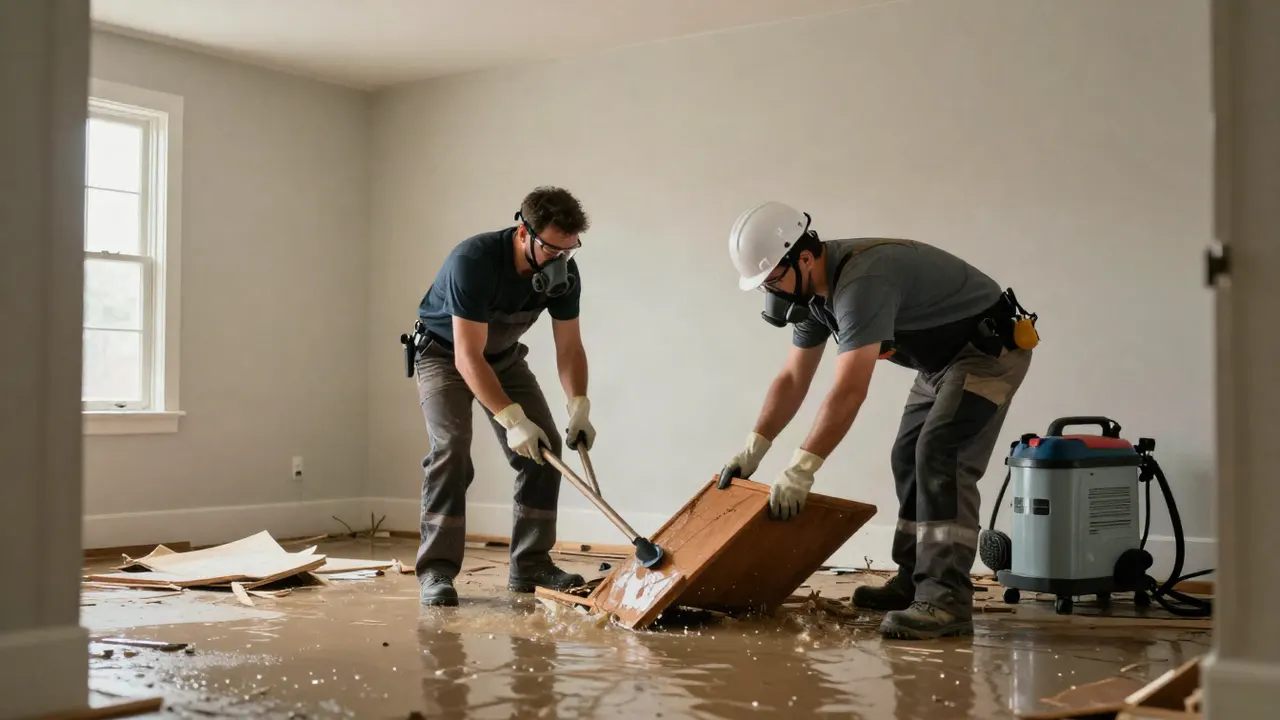
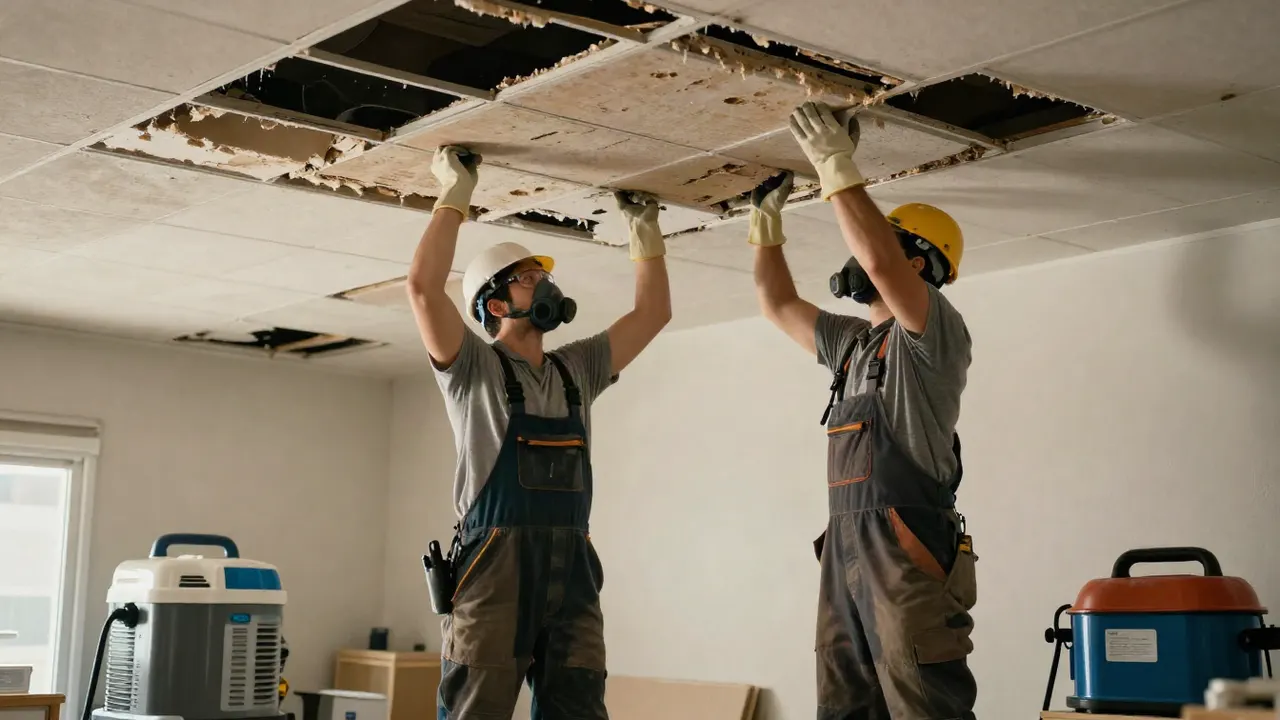
When carpet is soaked and water is still standing, emergency water removal comes first. We pump and extract standing water, then move into carpet water extraction and drying once the bulk water is gone. Same-day dispatch across Hyattsville.
View serviceFloodwater is contaminated, so carpet soaked by flooding usually comes out rather than drying in place. Our flood cleanup crews remove affected carpet and pad, disinfect the subfloor, and set drying equipment for the structure. We handle both the removal and the rebuild.
View service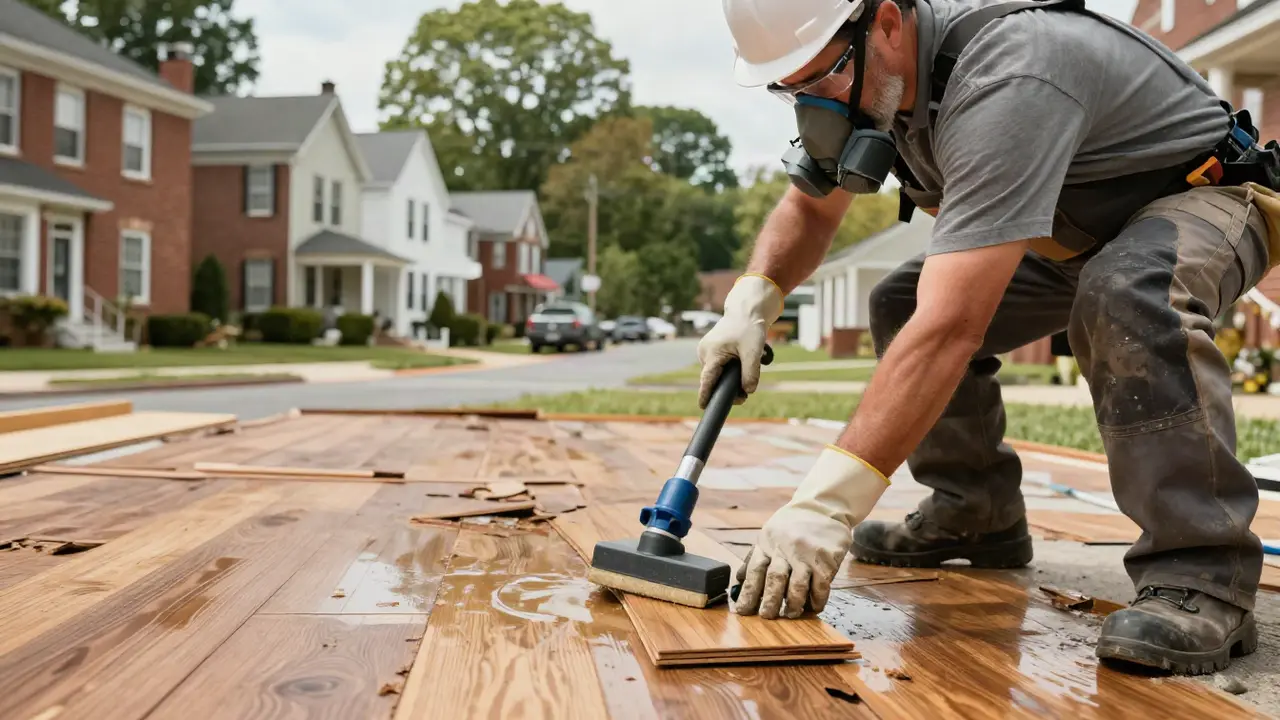
Basement carpet is the most common casualty of sump pump failures and foundation leaks in Hyattsville. We extract basement carpet, dry the slab or subfloor, and check the baseboards and bottom plates for wicking. If the sump pump failed, we can recommend a replacement.
View service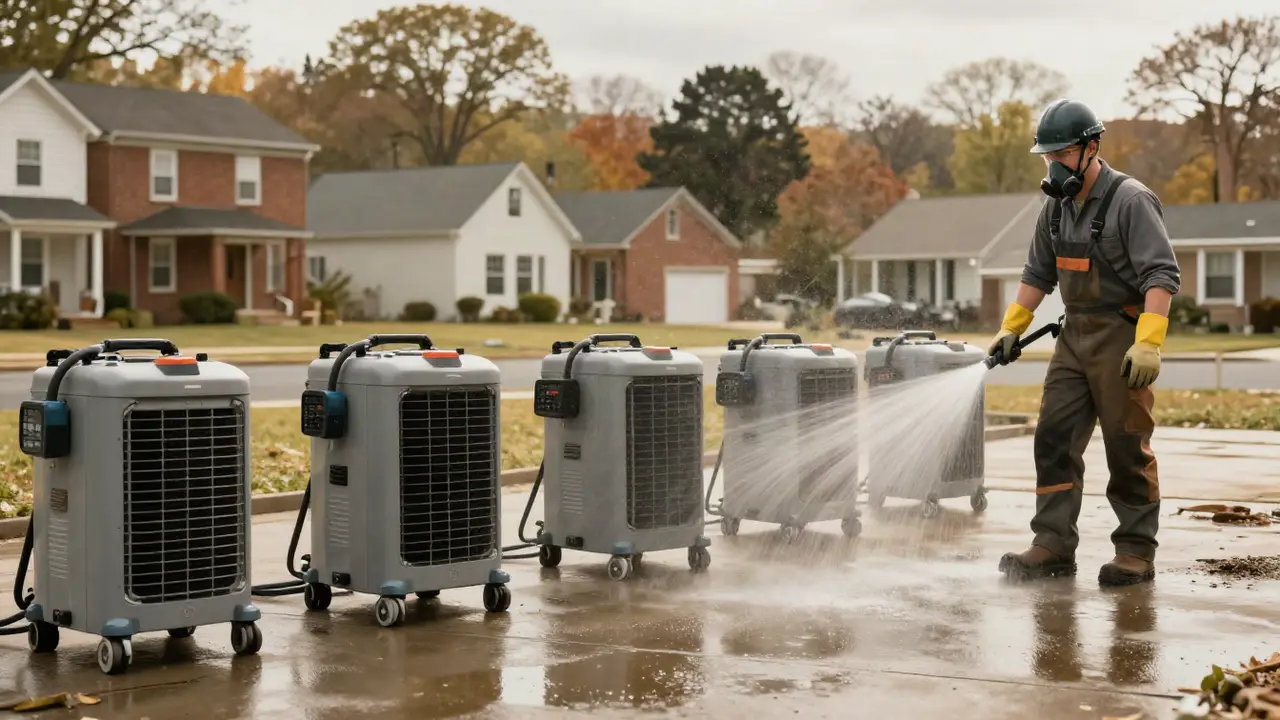
Sewage backup means Category 3 water, and carpet exposed to it cannot be dried and saved. We remove and dispose of the carpet and pad, extract the remaining water, and treat the subfloor with antimicrobial spray. This is a safety job, and we run it to ANSI/IICRC S520 standards.
View service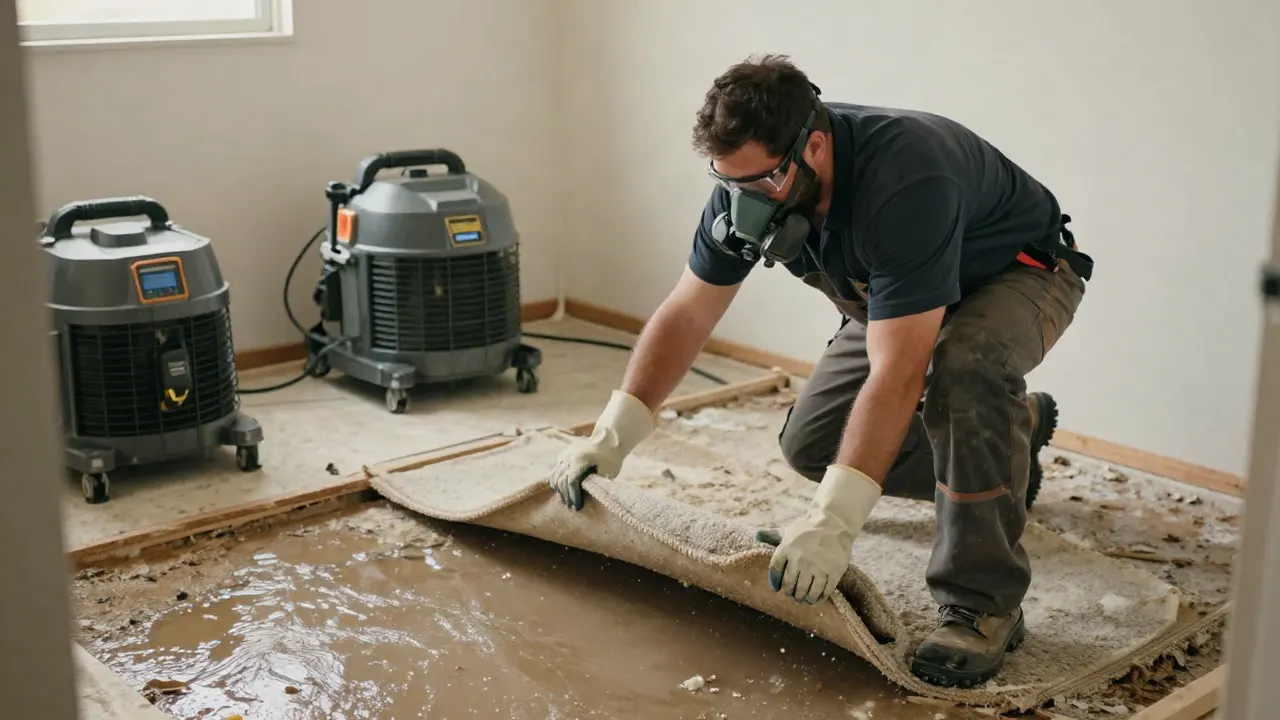
We answer the phone 24 hours a day, 7 days a week, including holidays. Most addresses in Hyattsville see a crew within an hour of your call. Whether it is a burst pipe at 2 a.m. or a slow leak you just noticed, call us and we will get someone out.