Focused arrival windows
Useful updates and clear arrival timing.
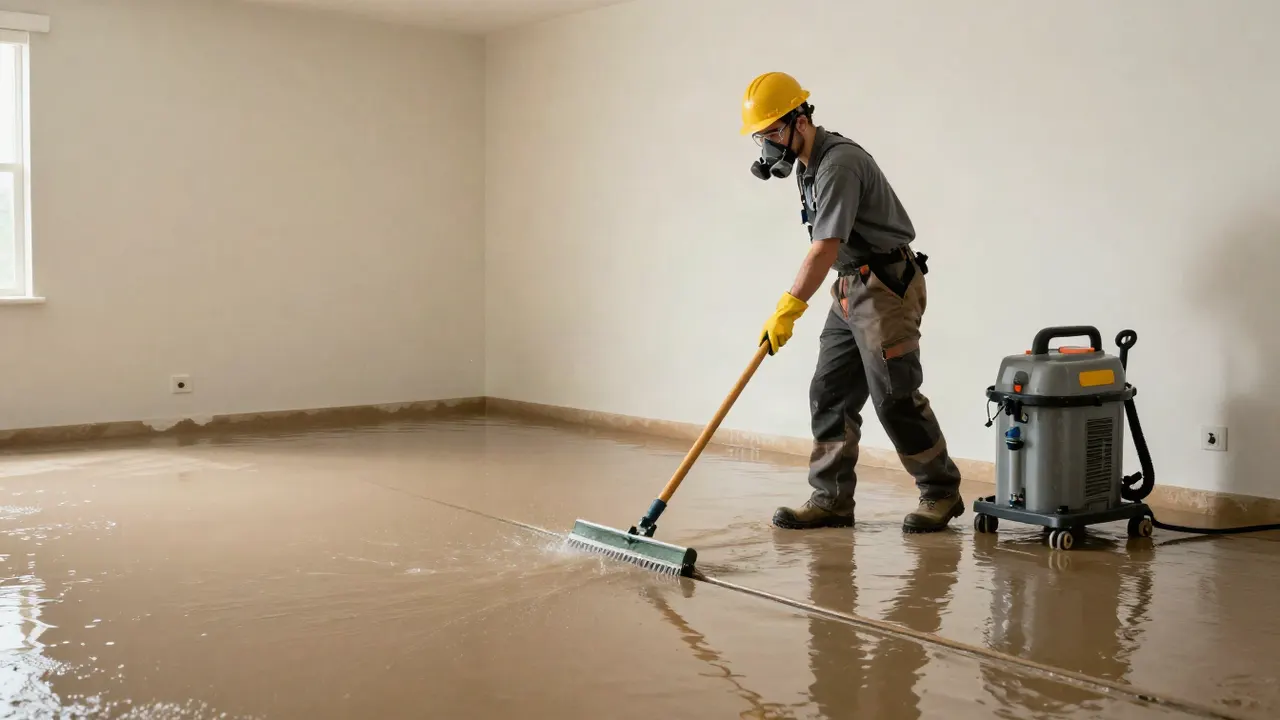
Emergency Water Removal Hyattsville MD is a 24/7 extraction and drying service for flooded basements, burst pipes, and storm intrusion. When water is rising, every hour counts: mold can begin colonizing wet drywall and carpet padding within 24 to 48 hours. We dispatch crews across Hyattsville and Prince George's County with truck-mounted extraction units, then dry the structure to ANSI/IICRC S500 standards so your insurance claim and your home both hold up.
Useful updates and clear arrival timing.
Review the approach and price before deciding.
Equipped vehicles and respectful cleanup.
Neighbors serving neighbors with follow-through.
Every emergency water removal job includes source control, extraction, drying setup, daily monitoring, and a final moisture report. Repair work like drywall replacement or hardwood refinishing is quoted separately once the structure is dry, so you are never paying for repairs you do not need.
We stop the water at the supply line, sump discharge, or roof before extraction begins. No extraction starts until the source is controlled, which prevents a second flood while equipment is running.
Standing water is pulled with truck-mounted extraction units, not portable vacuums. Carpet, hard floors, and crawl spaces are cleared in a fraction of the time, which limits how far water wicks into materials.
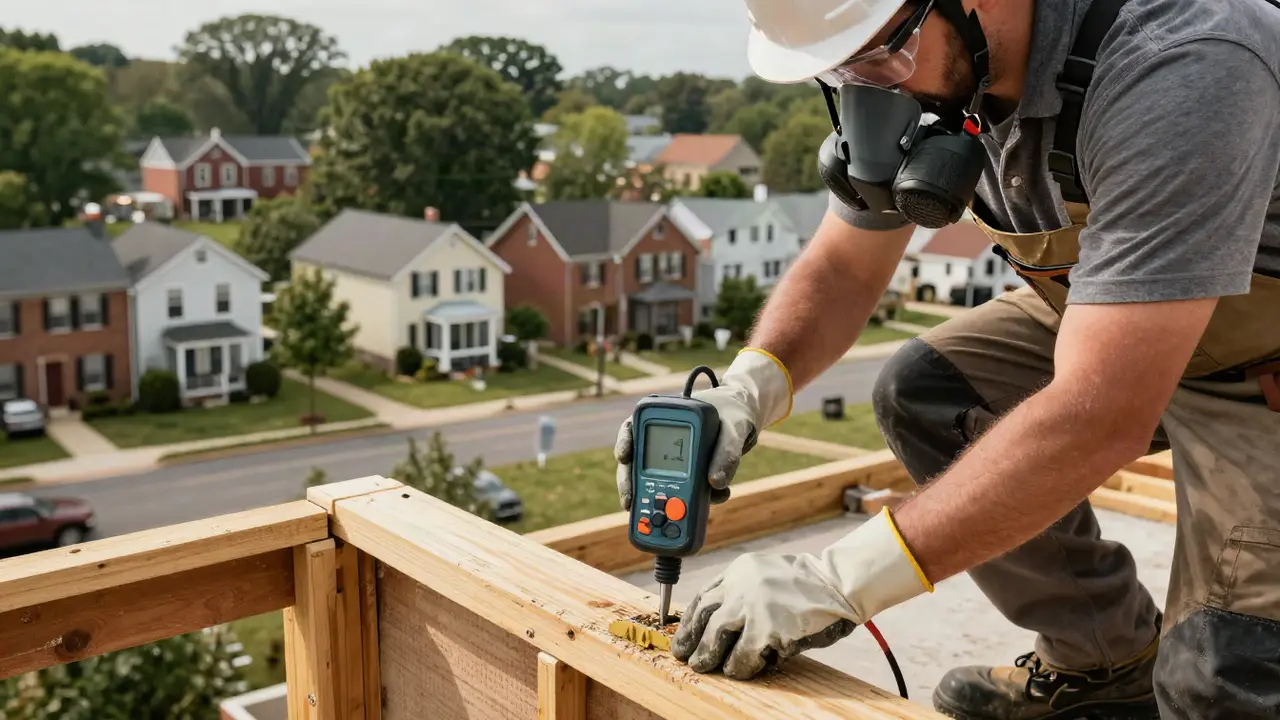
A moisture meter and thermal imaging camera map the wet perimeter, including hidden water damage behind walls. We mark the boundary so you can see exactly what is wet and track progress as it dries.
Air movers and dehumidifiers are positioned to dry the structure, with hygrometer readings logged twice daily. Equipment stays until readings match dry standard, not on a fixed timer.
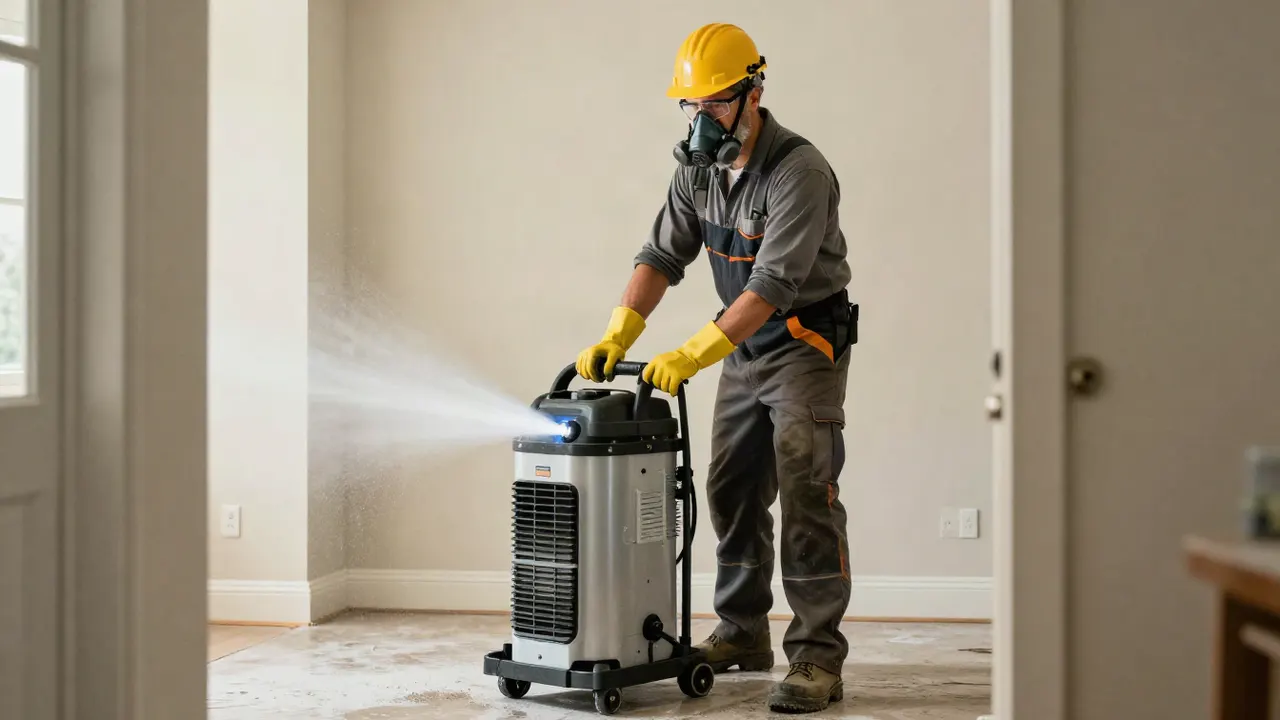
Where water was contaminated or sat long enough to raise mold risk, we apply antimicrobial spray to framing and surfaces. This is standard on sewage backups and storm flooding.
You receive photos, moisture readings, and an itemized Xactimate scope for your carrier. The final report proves the structure is dry and supports your claim from start to finish.
Share what is happening and receive a clear next step from the local team.
Emergency Water Removal Hyattsville MD is the process of stopping the water source, extracting standing water, and drying the building's structure and contents before secondary damage sets in. It is not a shop vac job. A proper response starts with a moisture meter and thermal imaging camera survey to map how far water has traveled behind baseboards, under hardwood flooring, and into ceiling cavities. From there, truck-mounted water extraction units pull hundreds of gallons in a fraction of the time portable units manage, and the drying phase begins.
Hyattsville homes sit in a wet-pocket climate where summer thunderstorms dump two inches in an hour and winter freeze-thaw cycles crack supply lines. The city's older brick rowhouses and mid-century splits along Queens Chapel and Kirkwood often hide slab leaks and crawl space water intrusion that surface only as a buckled floor or a musty smell. When you search emergency water removal near me Hyattsville MD at 2 a.m., you need a crew that knows these houses, not a call center reading a script.
You call and speak to a live dispatcher, not a voicemail. We ask what flooded, where the water is coming from, and whether the power is safe to leave on. Within minutes we give you an arrival window and tell you what to move off the floor. For a flooded basement, we also ask whether the sump pump has failed.
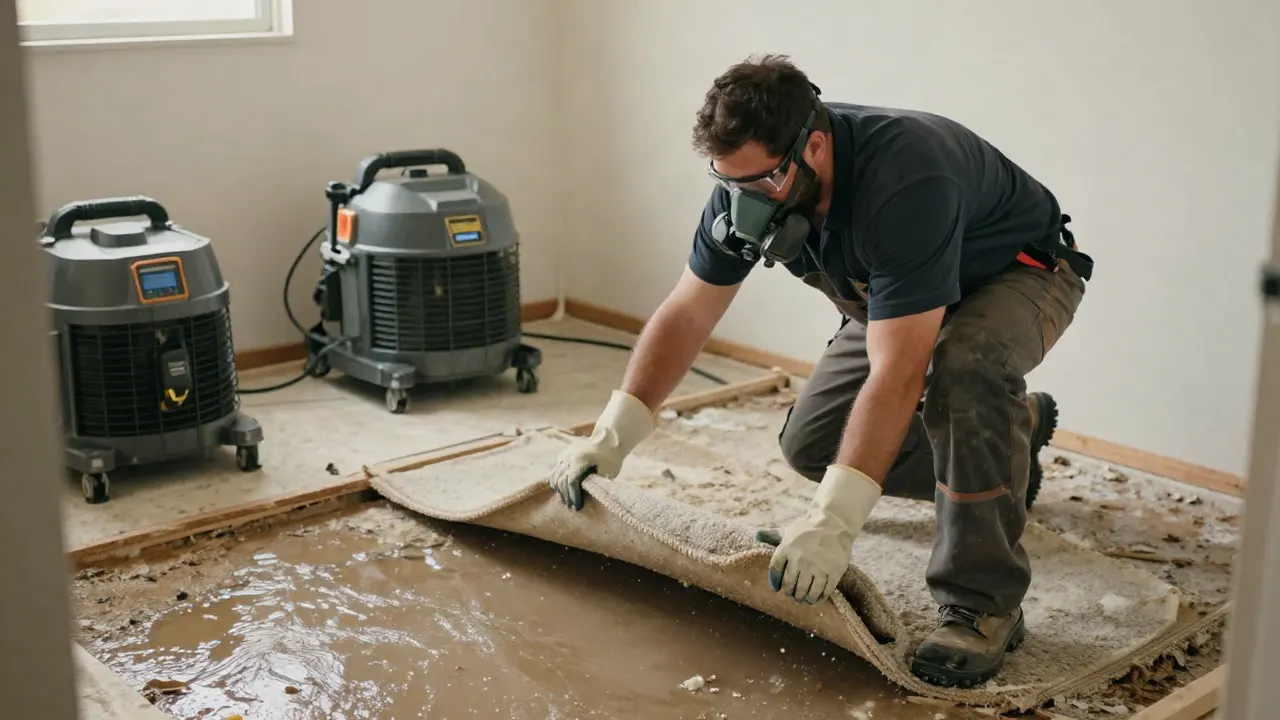
The first technician on site shuts off the supply line, stops the sump pump discharge, or tarp-overs the roof leak. No extraction begins until the water source is controlled. This step is why a burst pipe call at 2 a.m. does not turn into a second flood while we are setting equipment.
Truck-mounted extraction units pull standing water from carpet, hard floors, and crawl spaces. A moisture meter and thermal imaging camera then map the wet perimeter, including hidden water damage behind walls. We mark the boundary with tape so you can see exactly what is wet and what is not.
We position air movers and dehumidifiers to create a drying chamber, then monitor with a hygrometer twice a day. Desiccant dehumidifiers handle dense materials like plywood subfloor. Drying typically runs two to four days for a residential loss, and we adjust equipment daily based on readings, not guesswork.
We do not pull equipment until moisture readings match dry-standard baselines for the material. You get a final moisture report, photos, and an itemized scope in Xactimate for your carrier. If any drywall or baseboards need repair, we flag it before we leave so there are no surprises.
Pulls hundreds of gallons of standing water from carpet, hard floors, and crawl spaces far faster than portable vacuums, which limits how long materials stay saturated.
Reveals temperature differences that expose hidden water damage behind walls and under flooring before we cut or demo anything.
Measure moisture content in materials and humidity in the air. Readings are logged twice daily to decide when drying equipment comes out.
Remove moisture from the air and from dense materials like plywood subfloor and hardwood. Desiccant units handle the toughest assemblies.
Create airflow across wet surfaces to speed evaporation. Positioned to form a drying chamber, they cut dry time by days compared with fans alone.
Inspects inside wall cavities and behind baseboards without demolition, so we can confirm a cavity is dry before closing it up.
Clears standing water from basements and crawl spaces where gravity drainage is not enough, especially during storm flooding.
The industry standard for extraction and drying. We follow its moisture-mapping and drying-verification steps so the job is documented the way your insurance adjuster expects.
We map the wet perimeter on arrival and log readings twice daily. Equipment is adjusted based on those readings, not on a fixed schedule, and nothing is removed until the structure passes dry standard.
The same estimating platform most carriers use. Building the scope in Xactimate means your adjuster sees line items they recognize, which speeds approval and reduces back-and-forth.
On contaminated or long-standing water losses, we apply antimicrobial spray to framing and surfaces after extraction. This is standard on sewage backups and storm flooding, where mold risk is highest.
We dispatch immediately, shut off the supply, extract from carpet and hard floors, and open the wall cavity where water traveled. Thermal imaging confirms the wet boundary before any cutting. The structure is dry in three to four days, and the drywall repair is scoped and documented for insurance.
We tarp the roof, extract standing water, and set drying equipment staged so the tenant can keep part of the floor open. Readings are logged twice daily. The space is back to normal in three days with minimal business interruption and a documented claim.
A moisture meter and thermal imaging camera map the wet area, we extract and dry the flooring, and we document the slab leak for the plumber and your carrier. The flooring is saved where possible, and the repair scope is clear before anyone starts cutting.
We bring auxiliary pumps and truck-mounted extraction, clear the standing water, remove wet insulation, and dry the joists and subfloor. The basement is dry, the musty smell is gone, and the crawl space is left ready for the next storm.
Hyattsville's housing stock shapes how water emergencies play out. Brick rowhouses in Kirkwood and Queens Chapel have plaster walls that hold moisture longer than modern drywall, so drying takes an extra day and moisture readings matter more. Mid-century splits in West Hyattsville often have crawl spaces that trap water and feed mold into the living space. Along the Route 1 corridor, summer thunderstorms can drop two inches in an hour, overwhelming sump pumps and backing up floor drains. Winter freeze-thaw cracks supply lines in older homes, which is why burst pipe calls spike in January and February. We plan every job around the building, not a generic checklist. If you need 24 hour emergency water extraction Hyattsville homeowners can count on, we confirm the nearest crew and give you a real arrival window. We also coordinate with Prince George's County code requirements when repairs touch structural framing, and we document to ANSI/IICRC S500 so your carrier sees a complete scope.
A mix of older commercial buildings and rowhouses where roof drains and aging supply lines are common sources of water loss.
Renovated buildings with exposed brick and hardwood that need careful drying to preserve finishes after a leak.
Mid-century splits with crawl spaces that trap moisture and need extraction plus vapor control to stay dry.
Brick rowhouses with plaster walls that hold water longer, so drying schedules run a day longer than modern construction.
Commercial and mixed-use buildings where staged drying keeps tenants open during a water loss.
Sump pumps and floor drains overwhelm quickly, so basement flooding calls cluster after storms. We stage extra pumps and extraction units during storm windows.
Supply lines in older homes crack when temperatures swing, producing burst pipe calls at night. We prioritize these because water can run for hours before it is noticed.
Plaster and brick hold moisture longer than drywall, so drying schedules extend by a day and moisture readings drive the decision to remove equipment.
A failed sump pump left four inches of standing water across a finished basement. Carpet padding was saturated, drywall was wicking water up six inches, and the humidity reading was above 80%.
We pumped and extracted the standing water, removed the saturated padding, cut the drywall to the flood line, and dried the framing. Four days later, moisture readings matched dry standard and the basement was ready for repair.
Maintenance: We recommended a battery-backup sump pump and a water alarm. Both are cheap compared with a repeat flood, and they buy you time before water spreads.
A supply line cracked during a January freeze and ran for hours before the homeowner woke up. Water traveled through the ceiling into the kitchen and soaked the hardwood floor below.
We shut off the supply, extracted from the ceiling cavity and floor, and dried the hardwood in place with desiccant dehumidifiers. Readings were dry in three days, and the drywall repair was scoped for insurance.
Maintenance: We insulated the supply line and recommended leaving cabinet doors open during hard freezes. A $20 pipe sleeve prevents a repeat of a five-figure loss.
A ground-floor bathroom backed up after a storm overwhelmed the municipal line. Contaminated water spread across tile and into the hallway carpet, and the smell was immediate.
We removed the contaminated carpet and padding, applied antimicrobial spray, and dried the structure to ANSI/IICRC S500. The area passed a final moisture check in three days and was safe to reoccupy.
Maintenance: We recommended a backwater valve on the sewer line. It is a one-time install that stops the next storm from pushing sewage back into the house.
Most water emergencies in Hyattsville fall into a handful of patterns. Recognizing yours early is what keeps a small leak from becoming a structural repair.
Standing water wicks into drywall and framing within hours, and mold can start in 24 to 48 hours. Every hour of delay raises the repair cost. We pump and extract the standing water, remove saturated carpet padding, and set drying equipment the same visit. A flooded basement in Hyattsville gets priority dispatch, and we document the loss for your carrier.
Water travels along framing and pooled under flooring, so the visible stain is often far from the actual leak. Hidden water damage behind walls is easy to miss. A thermal imaging camera and moisture meter find the wet boundary before we cut. We stop the source, extract, dry the cavity, and repair the drywall and baseboards once readings are dry.
Category 3 water carries pathogens. A shop vac and a fan leave contamination behind and can spread it through the house. We remove contaminated materials, apply antimicrobial spray, and dry the structure to ANSI/IICRC S500. This is a different protocol from a clean-water loss, and we treat it that way.
Wet insulation loses R-value and holds moisture against the ceiling assembly, which leads to sagging drywall and attic mold. We tarp the roof, extract water from the ceiling cavity, and dry the assembly with air movers and dehumidifiers. Then we repair the interior damage so the next storm does not find the same weak point.
$350 - $1,500 for most residential extraction and dry-out
Typical 2026 pricing in Hyattsville runs $350 to $1,500 for residential extraction and dry-out, depending on how much water there is and how far it traveled. A small bathroom leak sits near the low end; a flooded basement with sewage backup pushes toward the top. Insurance often covers most of it, and we build the scope in Xactimate so your carrier sees line items they recognize. You get an upfront range before equipment goes down, and we tell you what changes it.
The cost of extraction is a fraction of what mold remediation or structural repair runs after a delay. Fast drying protects the materials you already own and gives your carrier a clean, documented claim.
Clean water from a supply line costs less to handle than category 3 sewage, which requires removal of contaminated materials and antimicrobial treatment.
More wet flooring and drywall means more extraction time, more equipment, and more monitoring days. A single room dries faster than a whole basement.
Carpet padding is usually removed; hardwood and plaster can often be dried in place, which changes labor and equipment needs.
Most residential jobs dry in two to four days. Older plaster and brick construction in Hyattsville can add a day, which adds equipment rental time.
Crawl spaces and tight rowhouse basements take longer to set equipment in, which affects labor. Commercial losses with staging needs are scoped separately.
We have been extracting water and drying structures in Hyattsville since 2012, 14 years of rowhouses, crawl spaces, and commercial losses. Our technicians hold IICRC WRT (Water Restoration Technician) and IICRC ASD (Applied Structural Drying) certifications, and our mold work follows IICRC AMRT training and ANSI/IICRC S520. We are licensed through the Maryland Home Improvement Commission and carry EPA Lead-Safe certification, which matters in Hyattsville's older housing stock where lead paint is present. Every job is documented to ANSI/IICRC S500, the standard your insurance adjuster recognizes.
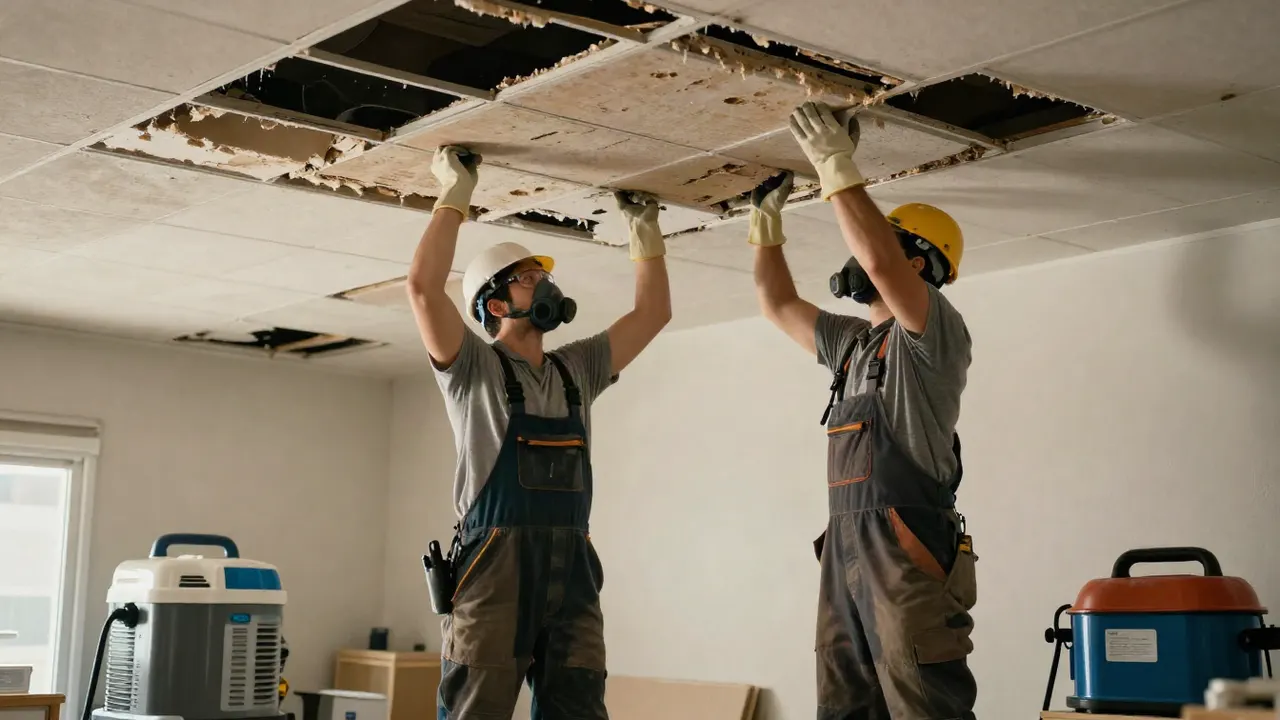
A supply line let go under the kitchen sink at 11 p.m. and water was running into the basement. They answered live, told me where the shutoff was, and had a crew here in about 70 minutes. Extracted everything, set air movers, and gave me moisture readings each day. Four days later the basement was dry and the Xactimate report went straight to my insurer.
Our sump pump failed during a storm and the basement had four inches of water. They pumped it out, pulled the wet carpet padding, and treated everything with antimicrobial spray. What stood out was the documentation: photos, thermal images, and a clear scope. My adjuster approved the claim without a single follow-up question.
A roof leak soaked a ceiling and two offices over a weekend. They tarped the roof, extracted the water, and dried the ceiling cavity without shutting the whole floor down. The crew worked around our tenants and logged readings twice a day. We were back to normal in three days.
Most residential jobs run $350 to $1,500 for extraction and dry-out, with typical 2026 pricing in this area. A small bathroom leak may land near the low end; a flooded basement with sewage backup pushes toward the top. Insurance often covers the bulk of it. We give you an upfront range before equipment goes down, and the Xactimate scope matches what your carrier expects.
We target a 60-to-90-minute arrival window across Hyattsville and nearby Prince George's County neighborhoods. Downtown, the Arts District, and West Hyattsville are usually fastest. During a widespread storm, we triage by severity, so a flooded basement with rising water gets priority over a damp carpet. You get a real window when you call, not a vague promise.
Yes. We run 24/7, including weekends and holidays, at the same rates as weekday calls. A Saturday burst pipe or a Sunday sewage backup gets the same crew, the same equipment, and the same documentation. There is no weekend surcharge and no waiting until Monday for extraction.
Shut off the water supply if you can reach the valve, and cut power to flooded rooms at the breaker only if it is safe to do so. Move furniture and rugs off wet carpet, and do not run a household vacuum on standing water. Take photos before you move anything. Then stay out of rooms with sagging ceilings. We handle the rest when we arrive.
Not seeing your question? Our local team can help you understand urgency, scheduling and what to expect.
Ask the local team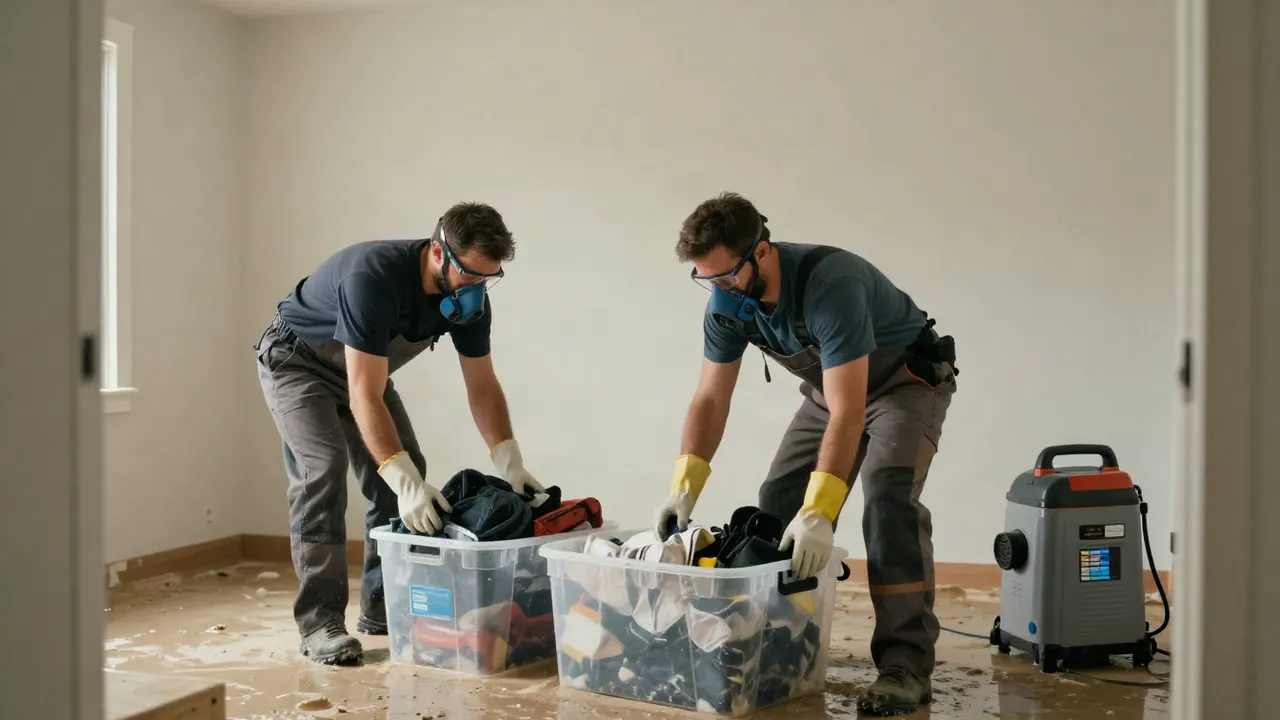
When stormwater or a failed sump pump leaves silt and debris behind, flood cleanup picks up where extraction ends. We remove contaminated material, disinfect with antimicrobial spray, and dry the structure so a flooded basement in Hyattsville does not turn into a mold job.
View service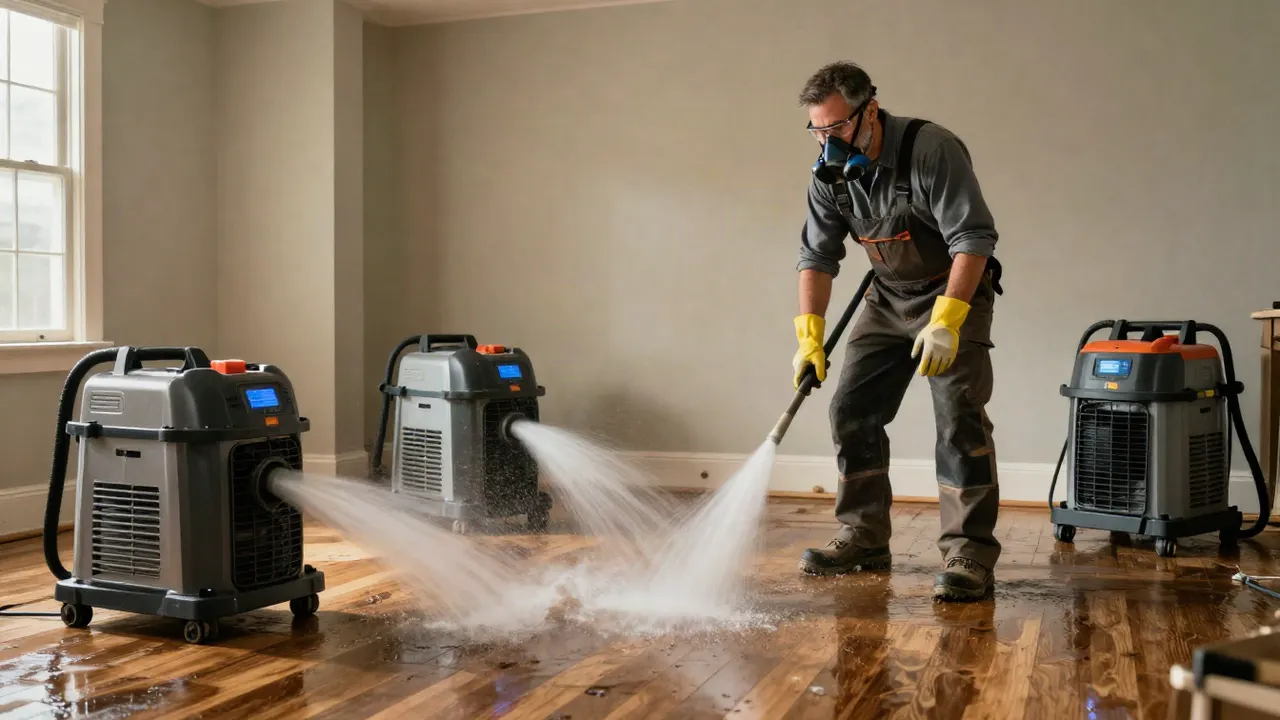
Basements in Hyattsville's older rowhouses and splits are prone to seepage and sump failures. Our basement water extraction crews use truck-mounted units and sump pumps to clear standing water fast, then set drying equipment before humidity climbs.
View service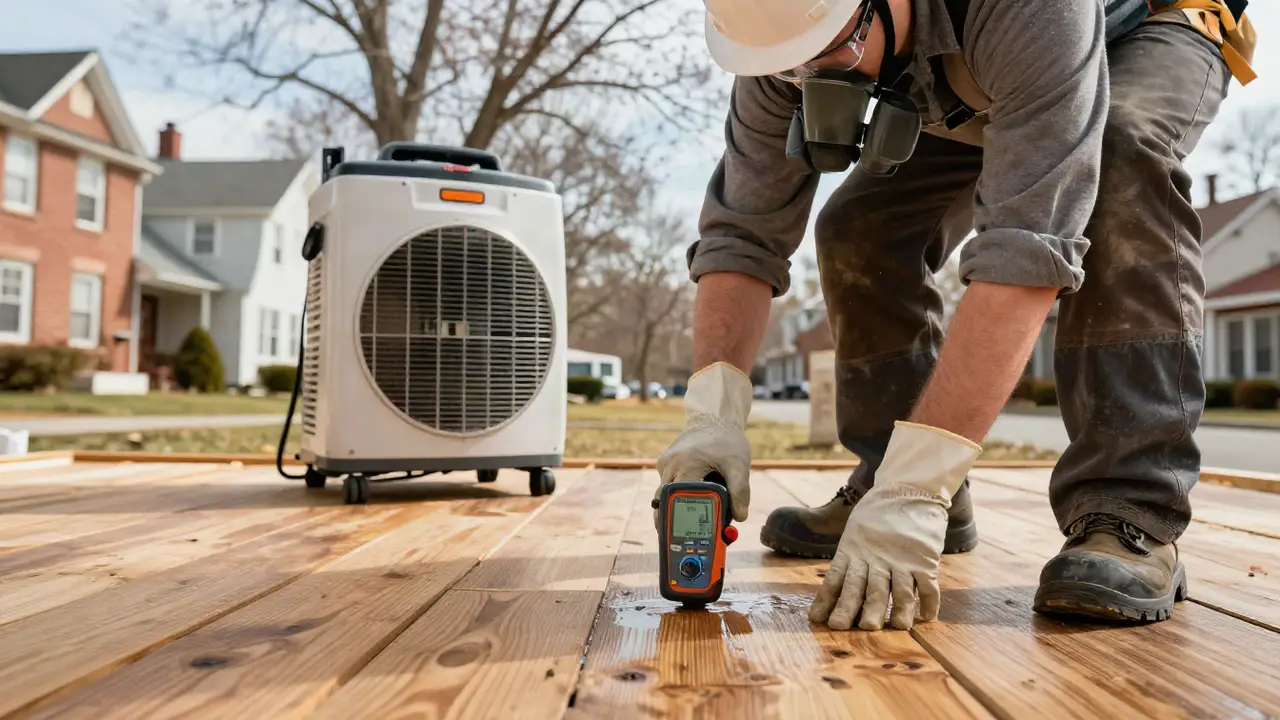
A sewage backup is a category 3 loss, not a shop vac job. We remove contaminated carpet padding and drywall, apply antimicrobial spray, and dry the structure to ANSI/IICRC S500. This protects your family from pathogens that ordinary extraction leaves behind.
View service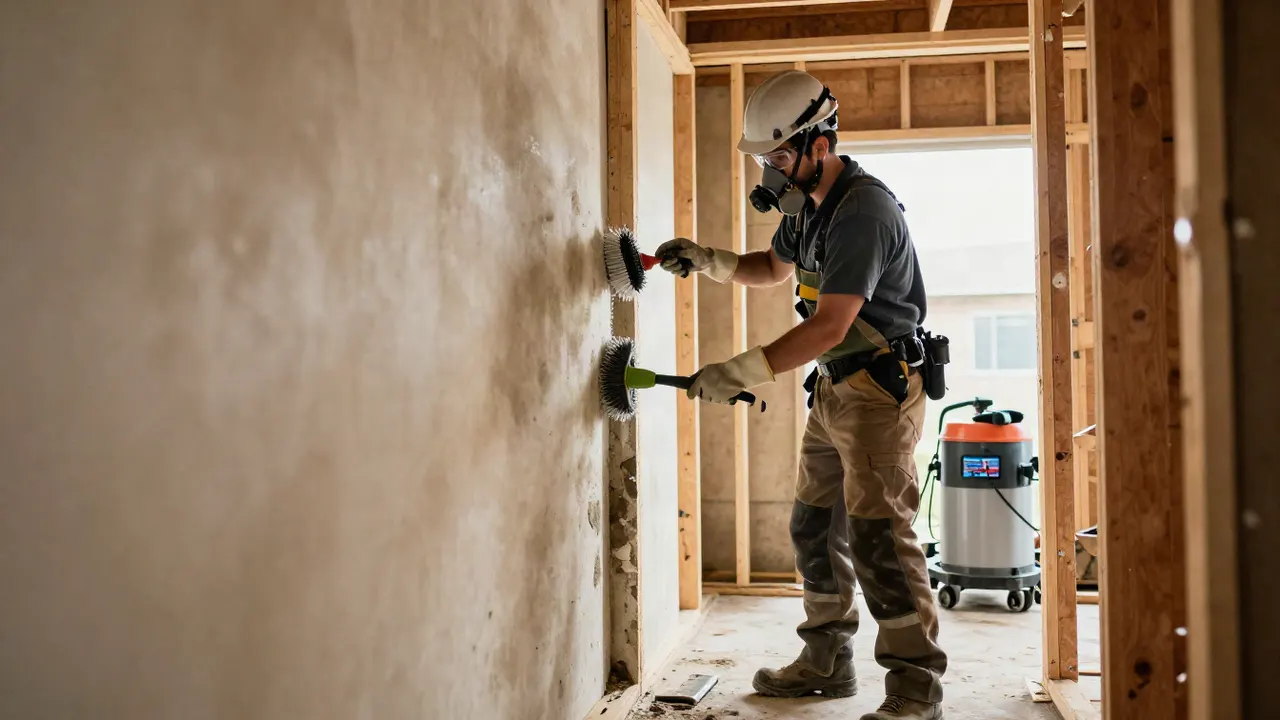
After a summer storm or winter ice event, storm damage restoration handles roof leaks, wind-driven rain, and flooded crawl spaces. We tarp, extract, and dry, then document the loss in Xactimate so your carrier sees the full scope.
View serviceWe answer the phone 24 hours a day, 7 days a week, including holidays. Most addresses in Hyattsville see a crew within an hour of your call. Whether it is a burst pipe at 2 a.m. or a slow leak you just noticed, call us and we will get someone out.