Focused arrival windows
Useful updates and clear arrival timing.
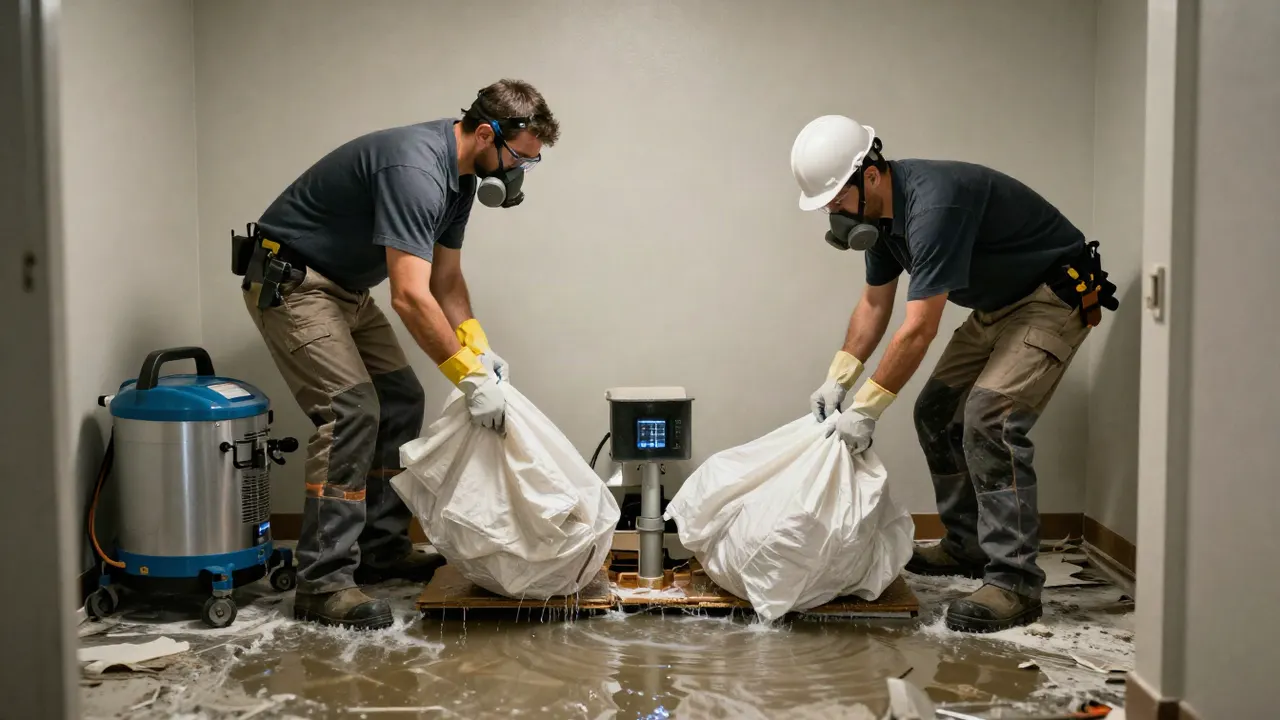
When a roof leak soaks your ceiling, walls, or attic, Roof Leak Water Damage Restoration in Hyattsville from our IICRC-certified team stops the damage fast. We extract standing water, dry structural cavities, and prevent mold before it starts. Whether you're in the Arts District or West Hyattsville, we're on call 24/7 to protect your Maryland home.
Useful updates and clear arrival timing.
Review the approach and price before deciding.
Equipped vehicles and respectful cleanup.
Neighbors serving neighbors with follow-through.
Every roof leak job is different, but our standard scope covers the essentials to stop damage and dry your home. We'll tell you upfront if something falls outside that scope, like roof repairs or full reconstruction.
If water is still entering, we tarp the affected roof area to stop further intrusion. This buys time until a roofer can make permanent repairs.
We remove standing water from ceilings, floors, and carpets using truck-mounted or portable extraction units. Saturated padding and ceiling tiles are removed.
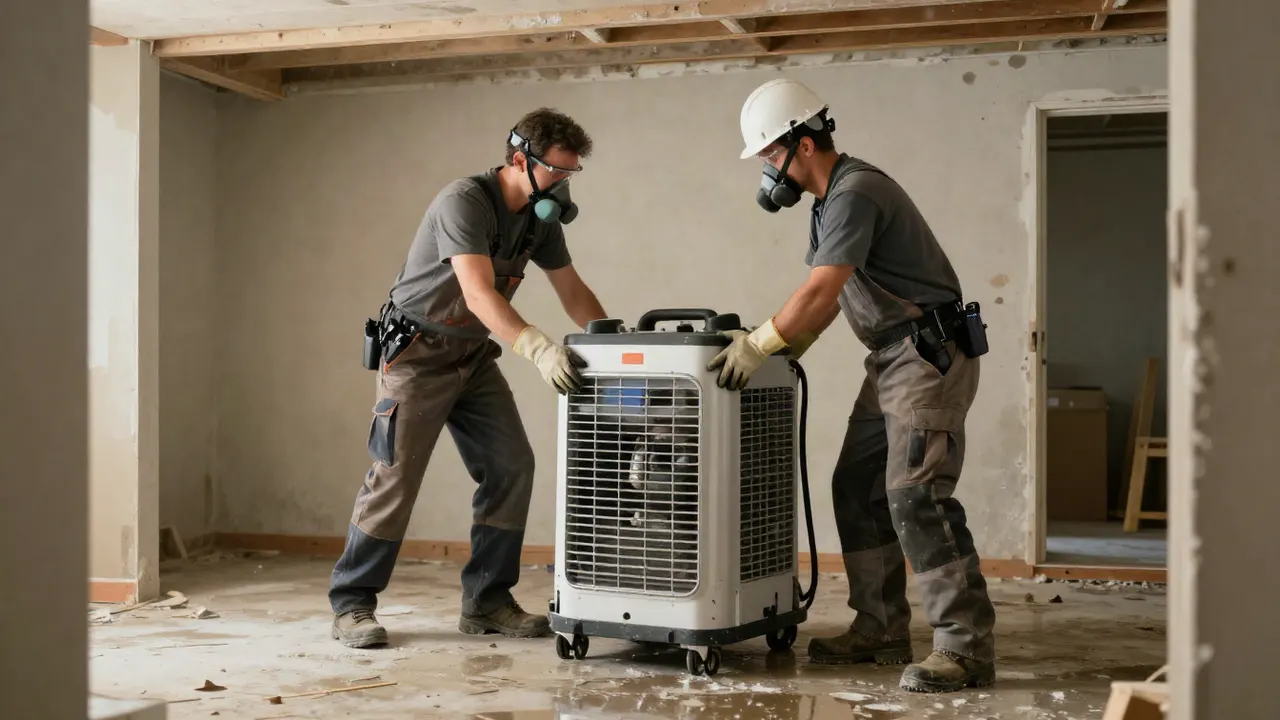
Air movers and dehumidifiers dry framing, drywall, and subfloor. We monitor daily with moisture meters and hygrometers until readings are safe.
We apply antimicrobial spray to wet framing and cavities to prevent mold growth. This is especially important in Hyattsville's humid summers.
We provide moisture maps, thermal images, and a line-item scope in Xactimate format to support your claim.
Before we leave, we take final readings and give you a completion report. You'll know exactly what was wet and what we did.
Share what is happening and receive a clear next step from the local team.
Roof Leak Water Damage Restoration in Hyattsville is the process of extracting water, drying structural materials, and treating a home after rain or snowmelt penetrates a failing roof. It starts with finding the entry point, then removing saturated insulation, drywall, and ceiling tiles before moisture spreads. We use moisture meters and thermal imaging cameras to map hidden saturation, then deploy air movers and dehumidifiers to dry the structure to IICRC S500 standards.
Hyattsville's older housing stock and mature tree canopy make roof leaks a year-round problem. A single storm can push water through worn flashing, cracked pipe boots, or ice-dam backups, soaking attic insulation and dripping into living spaces. If you search for roof leak water damage near me Hyattsville MD after a storm, we respond 24/7 with extraction units and drying equipment to stop secondary damage.
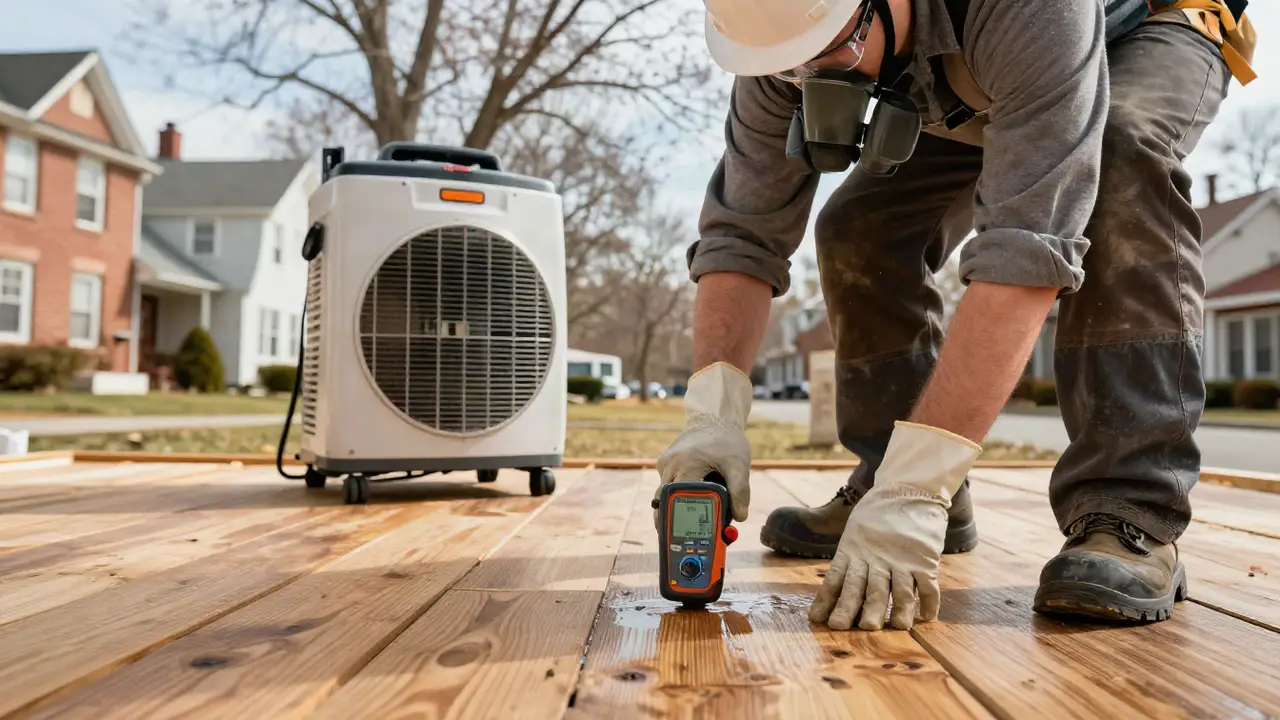
You call, we ask a few questions about the leak location and visible damage, and we dispatch a crew. We arrive with tarps, extraction units, and moisture meters. If water is still entering, we tarp the roof area to stop further intrusion before we begin interior work.
We use thermal imaging cameras and moisture meters to trace water migration through ceilings, walls, and insulation. A boroscope lets us see inside wall cavities without tearing everything open. We mark wet zones and photograph everything for your insurance file.
Standing water comes out first using truck-mounted or portable extraction units. We remove saturated carpet padding, ceiling tiles, and insulation that cannot be dried. For roof leak water extraction Hyattsville jobs, we often pull 20 to 50 gallons from a single ceiling cavity.
We set up air movers and dehumidifiers to dry framing, drywall, and subfloor. Desiccant units handle tight attic spaces where standard dehumidifiers struggle. We monitor with hygrometers daily and adjust equipment until moisture content drops below 15%.
Before we pack up, we take final moisture readings and confirm the structure is dry. We provide a completion report with before-and-after readings, photos, and equipment logs. If you need drywall or ceiling repairs, we coordinate that or refer you to a licensed contractor.
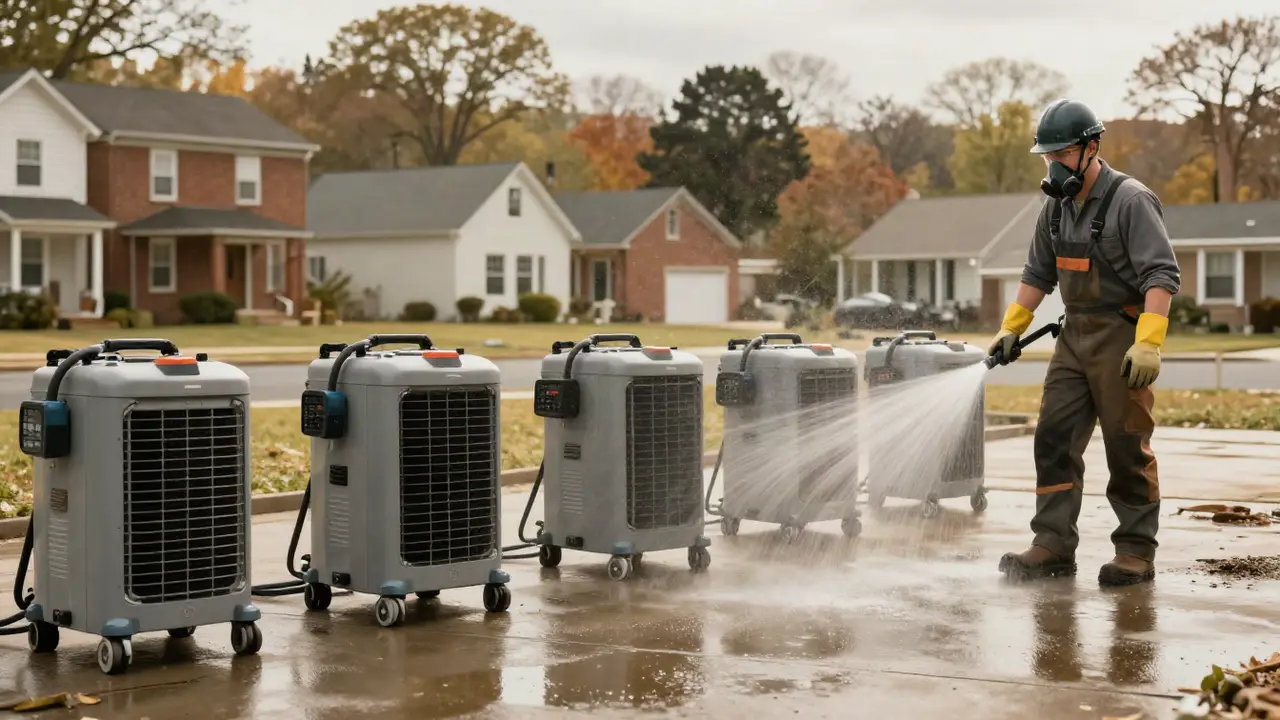
Pin-type and pinless meters measure moisture content in drywall, wood, and insulation to map wet areas.
Detects temperature differences to find hidden moisture behind walls and ceilings without demolition.
High-velocity fans circulate air to evaporate moisture from surfaces and cavities.
Dri-Eaz and Phoenix units pull moisture from the air, speeding structural drying.
Truck-mounted or portable units remove standing water from floors and carpets.
Measures relative humidity to track drying progress and adjust equipment.
Inspection camera lets us see inside wall cavities without cutting large holes.
The industry standard for water damage restoration. We follow its drying goals, monitoring protocols, and documentation requirements on every job.
The standard for mold remediation. If mold is present, we follow S520 containment, removal, and cleaning procedures.
We scan ceilings, walls, and floors with thermal cameras to find hidden moisture and verify drying is complete.
We record moisture content and humidity daily, adjusting equipment until readings meet dry standard.
We tarp the roof, extract water, and dry the ceiling and attic. We document everything for your insurance claim. Your ceiling is dry, mold is prevented, and your claim is supported with photos and moisture readings.
We remove wet insulation, dry the attic deck, and apply antimicrobial spray. We also identify the ice dam cause for future prevention. Attic is dry, insulation is replaced, and you know how to prevent ice dams next winter.
We extract standing water, dry the wall cavity and basement floor, and check for foundation leaks. Basement is dry, no mold, and we've identified any secondary water paths.
We inspect with thermal cameras, test for moisture, and if mold is present, we remediate following S520 standards. Mold is removed safely, moisture is controlled, and you have a clean, dry home.
Hyattsville's mix of older homes and mature trees means roof leaks are common year-round. Summer storms drive water through worn flashing, while winter ice dams back water under shingles. Many homes in Downtown Hyattsville and Queens Chapel have original 1920s framing that holds moisture longer than modern lumber. We adjust drying times accordingly. We also know that homes in the Hyattsville Arts District often have flat or low-slope roofs that leak differently than pitched roofs. If you're searching for roof leak water damage restoration near me Hyattsville MD, we're local and we know these buildings. We follow Maryland Home Improvement Commission (MHIC) licensing and ANSI/IICRC S500 standards on every job.
Older homes with original framing that requires longer drying times.
Flat and low-slope roofs common; leaks often pool before entering.
Newer construction with tight building envelopes; moisture can be trapped.
Mature tree canopy increases risk of roof damage from branches.
Post-war homes with attics that often lack proper ventilation.
Drive water through flashing and cause sudden ceiling leaks.
Back water under shingles and soak attic insulation.
Slows drying and increases mold risk if not controlled.
Original materials hold moisture longer; drying may take extra days.
A storm pushed water through worn flashing, soaking a 10x12 bedroom ceiling. Drywall was sagging and insulation was saturated. Homeowner called at 6 a.m.
We tarped the roof, extracted 15 gallons of water, removed wet drywall and insulation, and dried the attic. Moisture readings dropped from 28% to 12% in four days.
Maintenance: We recommended a roofer replace the flashing and check pipe boots annually before storm season.
A slow roof leak dripped into attic insulation for weeks. Homeowner noticed a musty smell and called us. Thermal imaging found mold on rafters.
We removed affected insulation, treated framing with antimicrobial spray, and dried the attic. Mold remediation followed S520 standards. Final air test passed.
Maintenance: We suggested adding attic ventilation and scheduling annual roof inspections.
Roof leak traveled down a wall cavity and pooled in the basement. Carpet was soaked and baseboards were wet. Tenant reported it same day.
We extracted water, removed wet carpet padding, dried the wall cavity and basement floor. Moisture content dropped below 15% in three days.
Maintenance: We advised checking gutters and downspouts to direct water away from the foundation.
Roof leaks cause more than a wet ceiling. Here are the problems we fix every week in Hyattsville.
Water weakens drywall and can cause it to collapse. Stains also signal hidden moisture that can lead to mold. We remove saturated drywall, dry the framing above, and treat with antimicrobial spray. Once dry, we prep for repair or refer a drywall pro.
Saturated insulation loses R-value and holds moisture against framing, leading to rot and mold. We remove wet insulation, dry the attic deck and rafters, and replace insulation once moisture levels are safe.
Water travels down wall cavities and can saturate baseboards, plywood, and hardwood flooring without visible signs. We use thermal imaging cameras and boroscopes to find hidden moisture, then dry cavities with air movers and desiccant dehumidifiers.
Mold can start in 24 to 48 hours and spread through drywall and insulation, causing health issues and costly remediation. We apply antimicrobial spray immediately and follow ANSI/IICRC S520 protocols if mold is present. We contain the area and remove affected materials safely.
$1,200 - $4,500 depending on scope
Typical 2026 pricing for roof leak water damage restoration in Hyattsville ranges from $1,200 to $4,500, depending on the size of the affected area and whether mold is present. Small ceiling leaks may cost $800 to $1,500. Full attic dry-outs with insulation removal run $2,500 to $6,000. We provide a written estimate before work begins and work with your insurance to cover covered losses.
Our pricing reflects the equipment, certifications, and documentation required to dry your home correctly the first time. We don't cut corners on drying, because mold remediation costs far more than doing it right.
A single ceiling leak costs less than a whole-attic dry-out. More square footage means more equipment and longer drying time.
If mold is already growing, remediation adds cost. We follow S520 protocols, which include containment and removal of affected materials.
Drywall and insulation are easier to dry than hardwood or plaster. Older Hyattsville homes with plaster walls take longer to dry.
Tight attics or crawl spaces require more labor and smaller equipment, increasing cost.
Most sudden roof leaks are covered. We document everything to support your claim and reduce out-of-pocket costs.
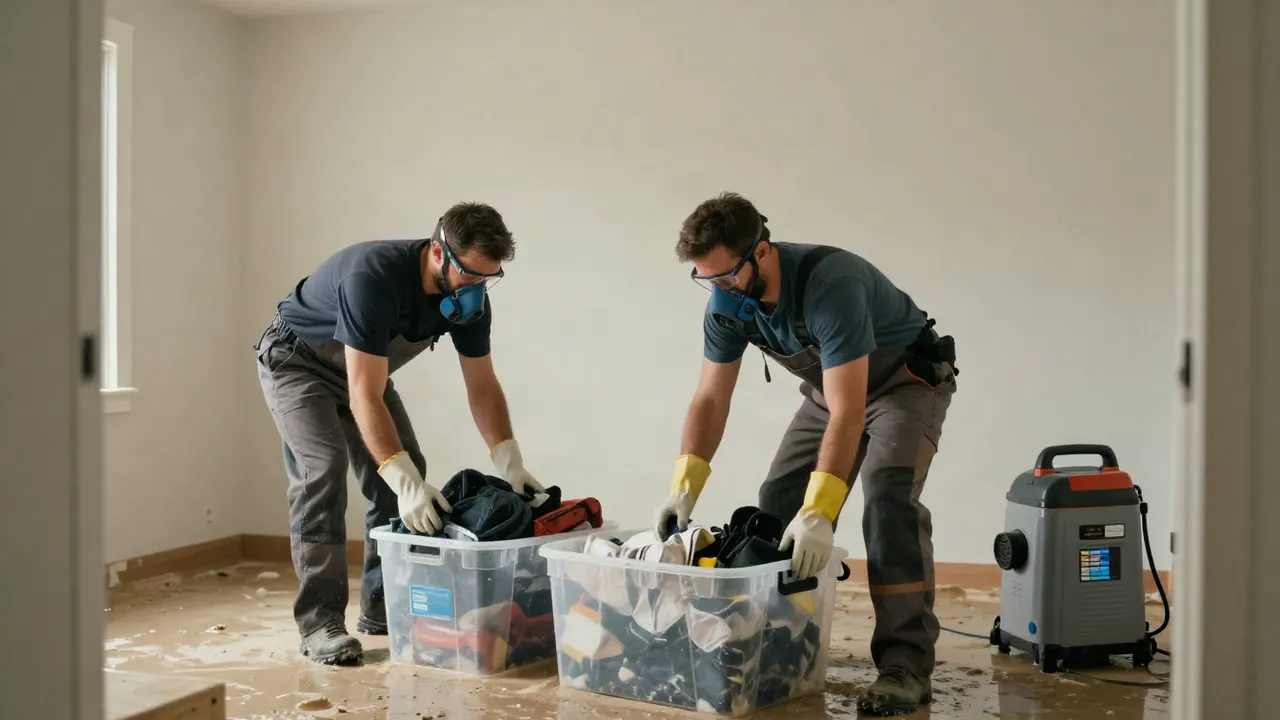
Since 2012, our team has restored thousands of homes across Prince George's County. We've dried attics after ice dams, extracted water from ceilings after summer storms, and stopped mold from spreading through wall cavities. Our technicians train on IICRC WRT, ASD, and AMRT standards, and we stay current with ANSI/IICRC S500 and S520 protocols. We know Hyattsville's housing stock, from 1920s bungalows near Queens Chapel to newer builds in University Town Center.
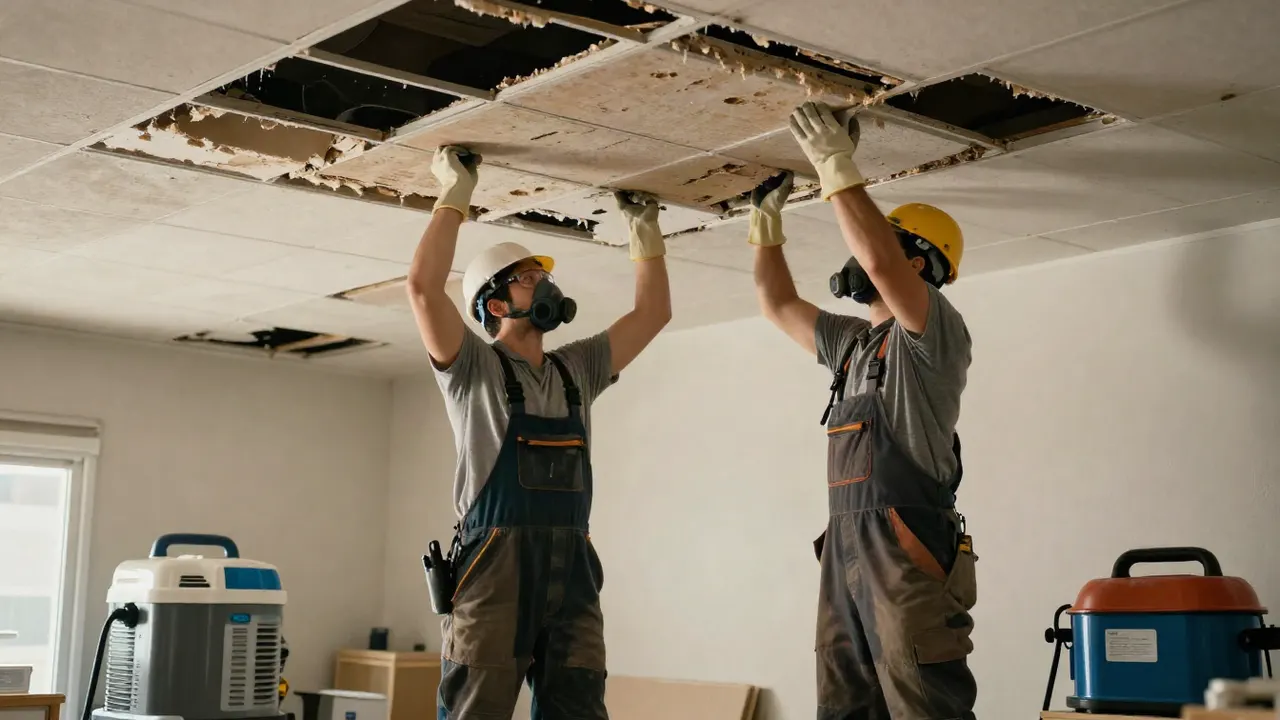
A storm pushed water through our flashing and soaked the ceiling in our bedroom. I called at 6 a.m. and a crew was here by 8. They tarped the roof, extracted water, and set up dryers. Four days later, moisture readings were back to normal. They handled all the insurance photos. No mold, no drama.
We had a roof leak that dripped into our attic insulation for weeks before we noticed. The team removed the wet insulation, dried the framing, and treated for mold. They were upfront about cost and finished when they said they would. Our attic is dry and we finally have peace of mind.
One of our rental units had a roof leak that damaged two ceilings. The crew arrived same day, extracted water, and dried the structure. They documented everything for our claim and even coordinated with the tenant. Professional, fast, and no surprises on the bill.
Most Hyattsville roof leak restoration jobs run $1,200 to $4,500, depending on how much area is wet and whether mold is present. A small ceiling leak with minimal insulation damage may cost $800 to $1,500. A full attic dry-out with insulation removal and structural drying typically runs $2,500 to $6,000. We provide a written estimate before work begins.
Yes, most homeowner policies cover sudden roof leak damage, including water extraction, drying, and mold remediation if it's tied to a covered peril like a storm or fallen branch. Wear-and-tear leaks may be excluded. We document everything with photos and moisture readings to support your claim, and we work directly with adjusters to speed approval.
Extraction and initial setup take 3 to 6 hours. Structural drying typically runs 3 to 5 days, depending on humidity and how deep water penetrated. We monitor daily and adjust equipment. You'll have final moisture readings and a completion report once drying is verified, usually within a week for most Hyattsville homes.
Yes. Mold can start growing on wet drywall and insulation within 24 to 48 hours. Hyattsville's humid summers speed that timeline. We apply antimicrobial spray to affected framing and use desiccant dehumidifiers to dry cavities fast. If mold is already present, we follow ANSI/IICRC S520 protocols for safe remediation.
Not seeing your question? Our local team can help you understand urgency, scheduling and what to expect.
Ask the local team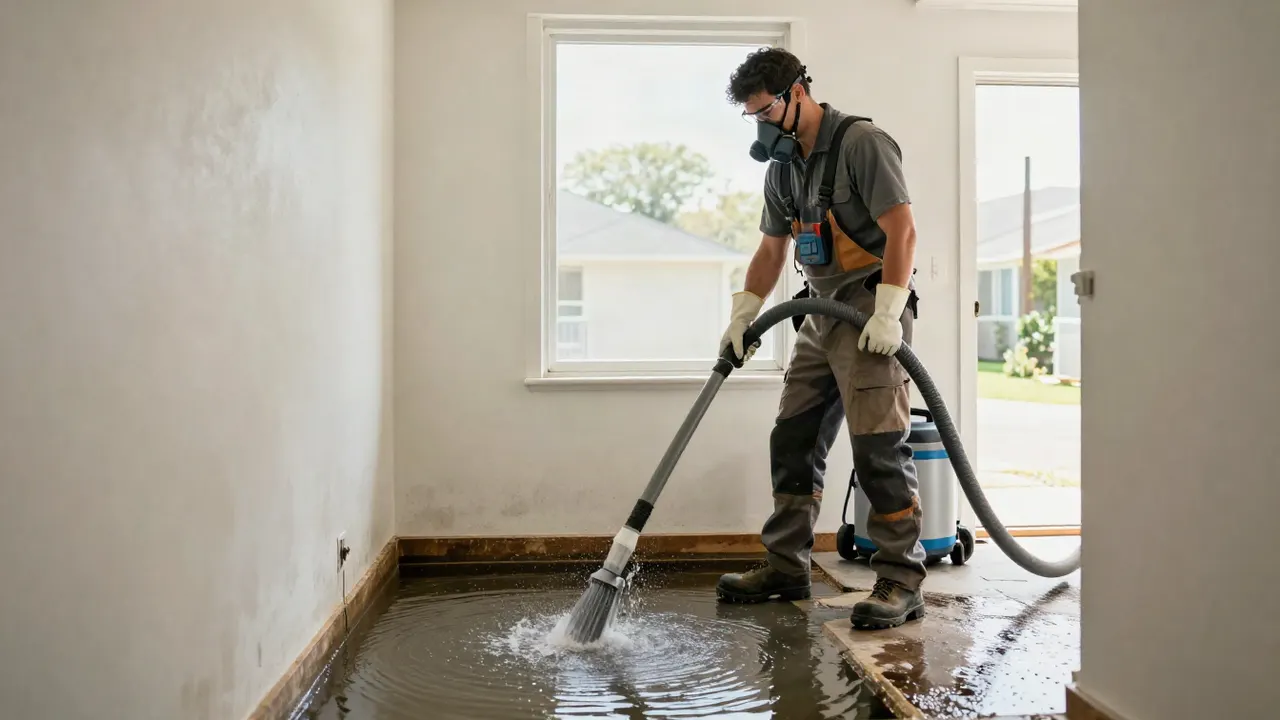
When a roof leak dumps water into your living room, emergency water removal is step one. We extract standing water from floors, ceilings, and carpets before it spreads to adjacent rooms.
View serviceRoof leaks during heavy storms often combine with flash flooding. Our flood cleanup crews handle both sources at once, extracting water and sanitizing affected areas.
View service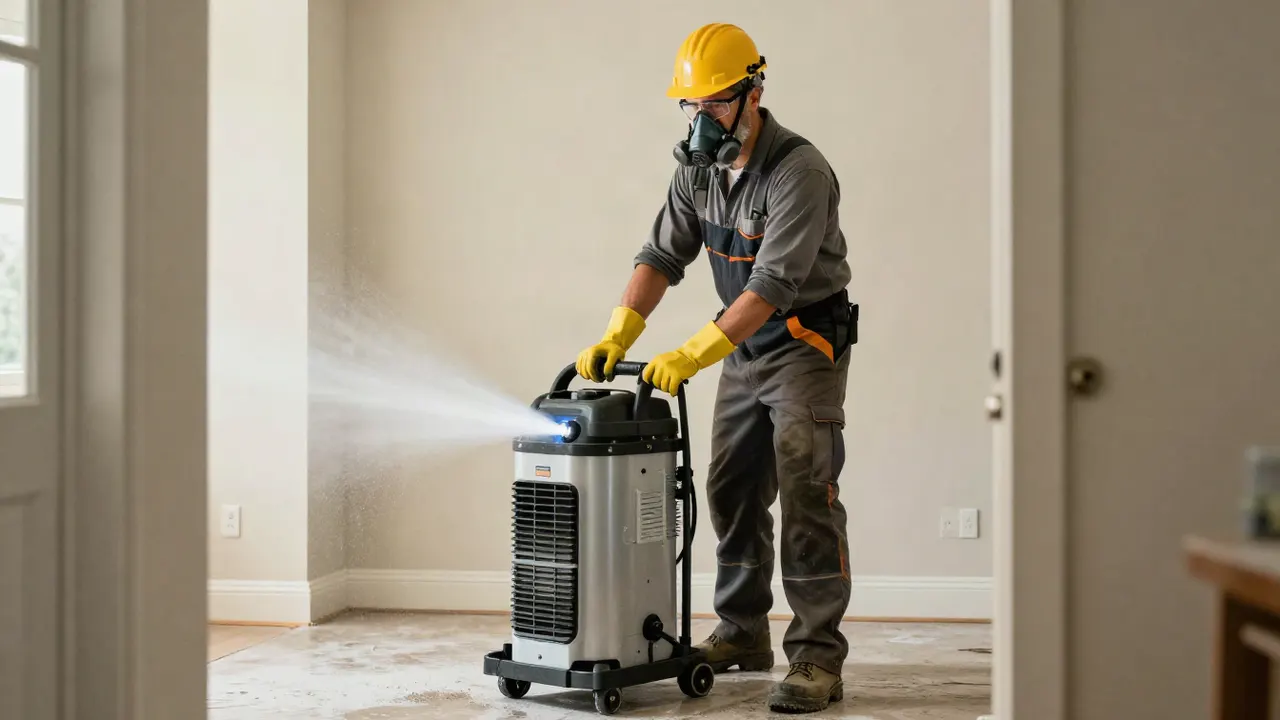
Roof leak water often travels down wall cavities into basements. We extract standing water and dry foundation walls to prevent long-term structural damage.
View serviceIf a roof leak overwhelms your plumbing or causes a backup, we handle sewage-contaminated water with full PPE and antimicrobial treatment.
View service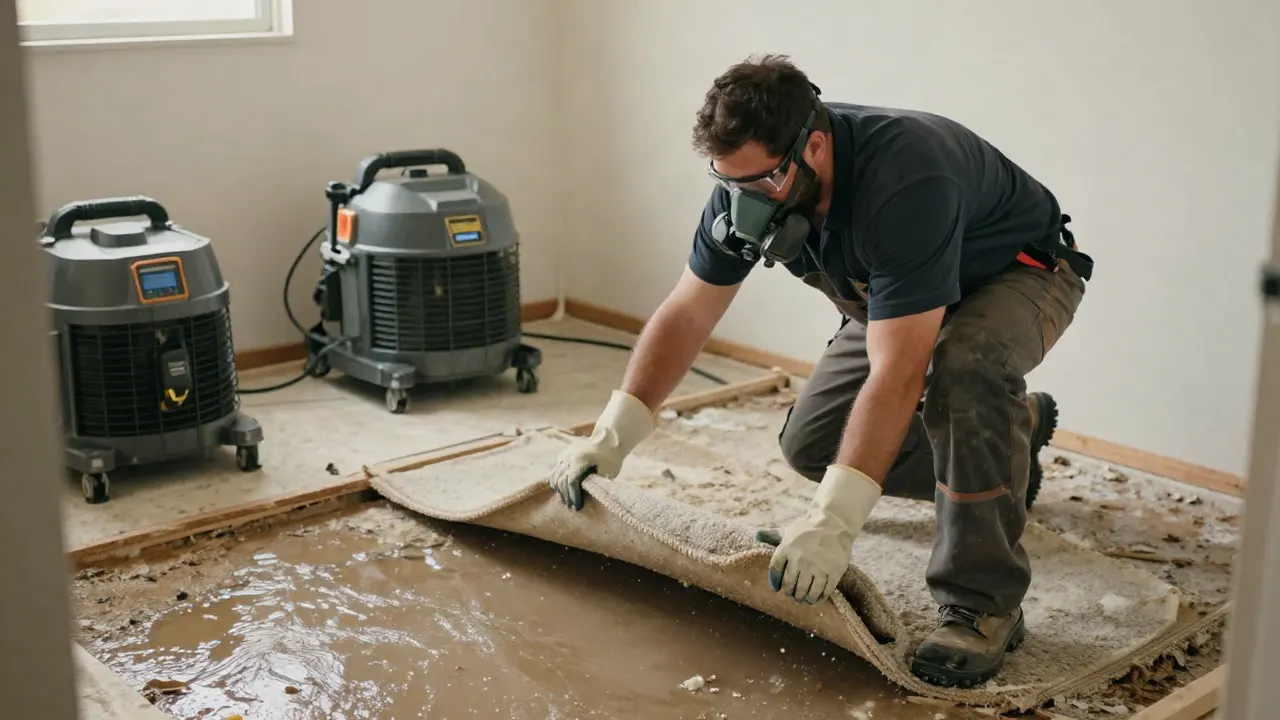
We answer the phone 24 hours a day, 7 days a week, including holidays. Most addresses in Hyattsville see a crew within an hour of your call. Whether it is a burst pipe at 2 a.m. or a slow leak you just noticed, call us and we will get someone out.