Focused arrival windows
Useful updates and clear arrival timing.
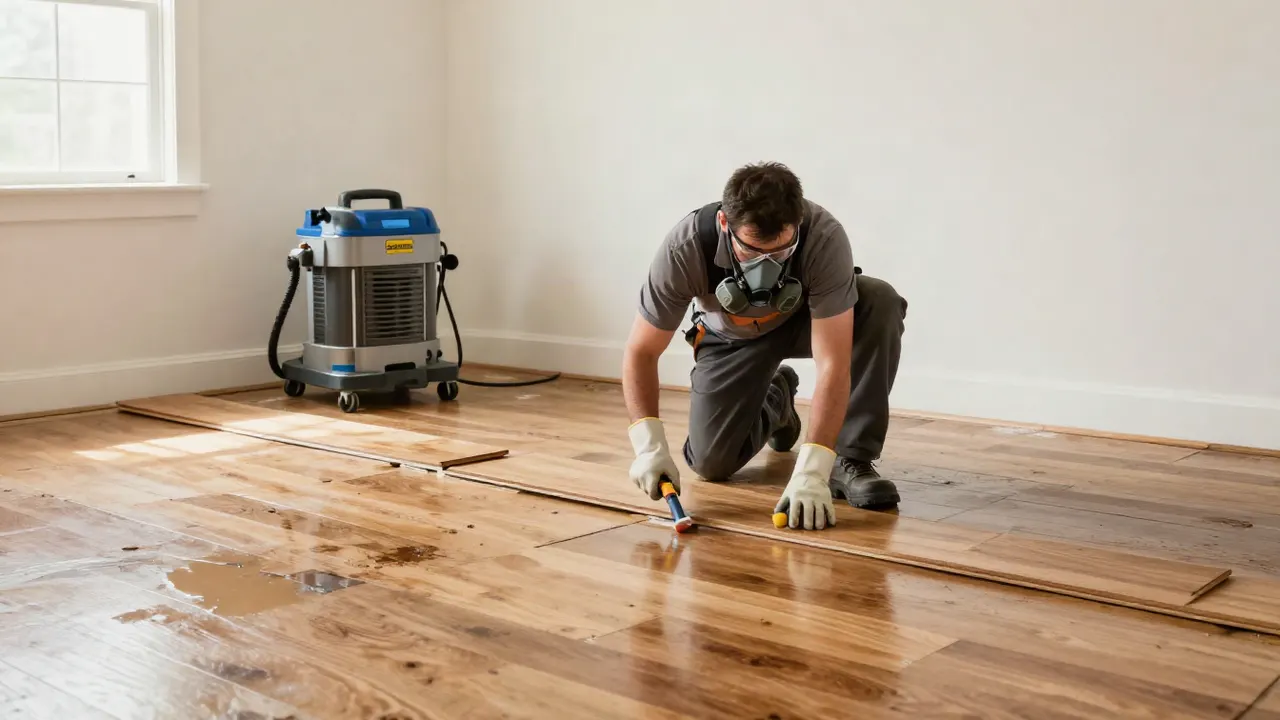
Hardwood Floor Water Damage Repair in Hyattsville starts with a moisture meter on your floor within the hour. We pull standing water, dry the planks to a documented target, and repair or refinish only what is actually damaged. Whether a burst pipe soaked your living room or a sump pump failed in the basement, we handle hardwood floor water damage Hyattsville MD homeowners call about most: cupping, crowning, and black stains that show up days later.
Useful updates and clear arrival timing.
Review the approach and price before deciding.
Equipped vehicles and respectful cleanup.
Neighbors serving neighbors with follow-through.
Every job starts with an inspection and a written drying target. From there, the scope depends on how much water reached the subfloor and how long it sat. Here is what is standard on a typical Hyattsville hardwood repair.
We use a moisture meter, thermal imaging camera, and boroscope to find wet zones under the finish and behind baseboards. You get a room-by-room map and a drying target before equipment is set.
A water extraction unit pulls standing water from the seams and from any carpet or padding on top. We also use a Shop-Vac or RIDGID wet vac for tight corners and under appliances.
Air movers, a dehumidifier or desiccant unit, and a hygrometer run for 3 to 5 days. We log readings twice daily and adjust equipment placement as the floor dries.
We apply an antimicrobial spray to the subfloor and joists after extraction to stop mold growth. This step matters most when the water sat for more than 24 hours or came from a sewage backup.
Cupped boards get sanded flat and refinished. Cracked or delaminated planks are cut out and replaced with matching stock. We match the stain and apply three coats of finish.
We take a final moisture reading and photograph the floor. You get the drying log and repair record for your insurance file, and we walk the room with you before we pack up.
Share what is happening and receive a clear next step from the local team.
Hardwood Floor Water Damage Repair in Hyattsville is a measured drying and board-level restoration process that removes trapped moisture from plank flooring before cupping turns into permanent damage. We start with a moisture meter and thermal imaging camera to map wet zones under the finish, then use a water extraction unit and air movers to pull surface water and drive evaporation. A dehumidifier or desiccant unit holds the room at a controlled humidity level while a hygrometer tracks progress twice a day.
Most Hyattsville calls come from three sources: a burst pipe behind a kitchen wall, a slab leak that wicks up through the subfloor, or a sump pump that quits during a summer storm. Older homes near Downtown Hyattsville and Kirkwood often have original oak strip flooring over plywood, which dries predictably when caught in the first 48 hours. We also see crawl space water intrusion pushing humidity up into first-floor planks. If you are searching for hardwood floor water damage repair near me Hyattsville MD, the clock matters more than the brand on the truck.
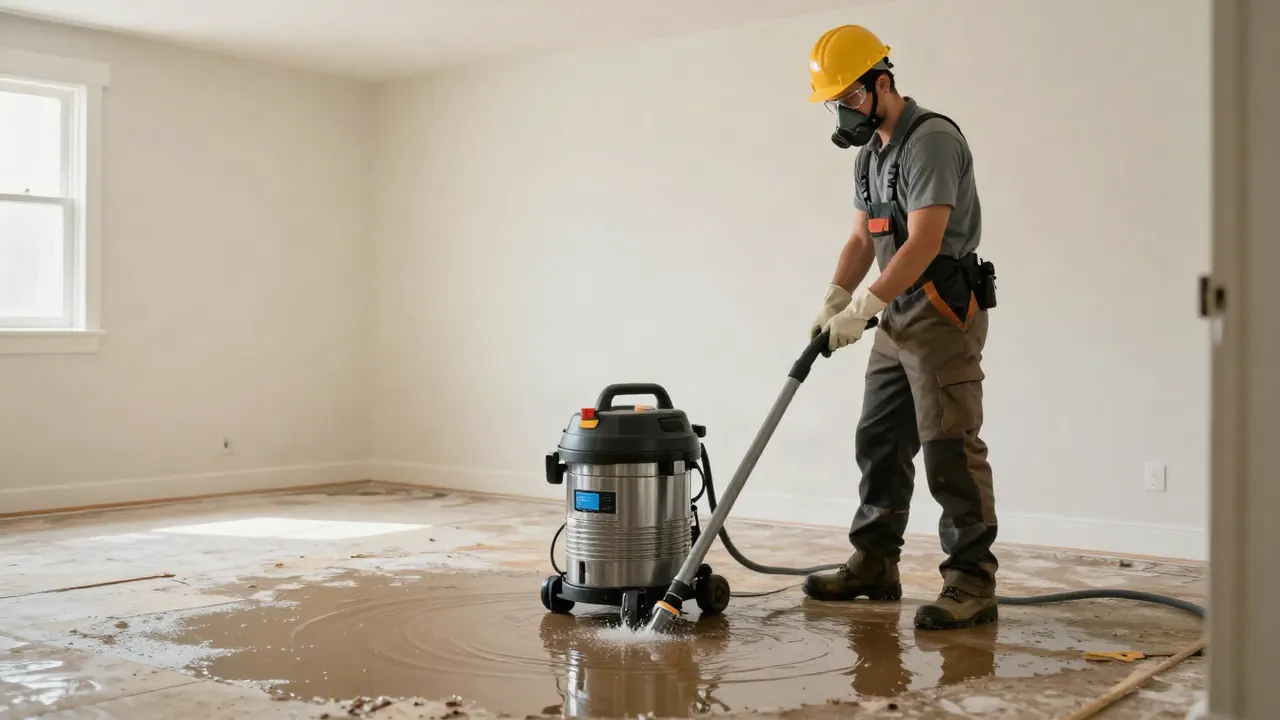
You call, we ask three questions about the source and the square footage, and a technician is dispatched. Most Hyattsville addresses see us within 60 to 90 minutes. We shut off the water source if it is still running and take an initial moisture reading before anything moves.
A water extraction unit pulls standing water from the seams and from any carpet or padding on top. We then use a thermal imaging camera and a boroscope to check behind baseboards and under the subfloor. You get a room-by-room map of wet zones and a drying target in writing.
We position air movers along the walls at a 15-degree angle and pair them with a dehumidifier or desiccant unit sized to the cubic footage. A hygrometer logs temperature and relative humidity twice daily. This stage usually runs 3 to 5 days for a solid oak floor.
Once moisture content matches the dry standard, we assess the boards. Light cupping gets sanded flat and refinished. Cracked or delaminated planks are cut out and replaced with matching stock. We use a DeWalt or Milwaukee saw for clean cuts and set the new boards with a flooring nailer.
We take a final moisture reading, photograph the floor, and walk the room with you. You get the drying log and the repair record for your insurance file. If any area reads high, we leave equipment in place at no extra charge until it is dry.
Reads moisture content in the plank and subfloor so we know exactly when drying is complete and when to stop.
Finds hidden wet zones behind baseboards and under the subfloor without tearing anything apart.
Pulls standing water from seams and from carpet or padding on top of the hardwood.
Drives evaporation across the floor surface at a controlled angle to dry planks evenly.
Removes moisture from the air so the floor can dry instead of reabsorbing humidity.
Logs temperature and relative humidity twice daily to confirm the drying chamber is working.
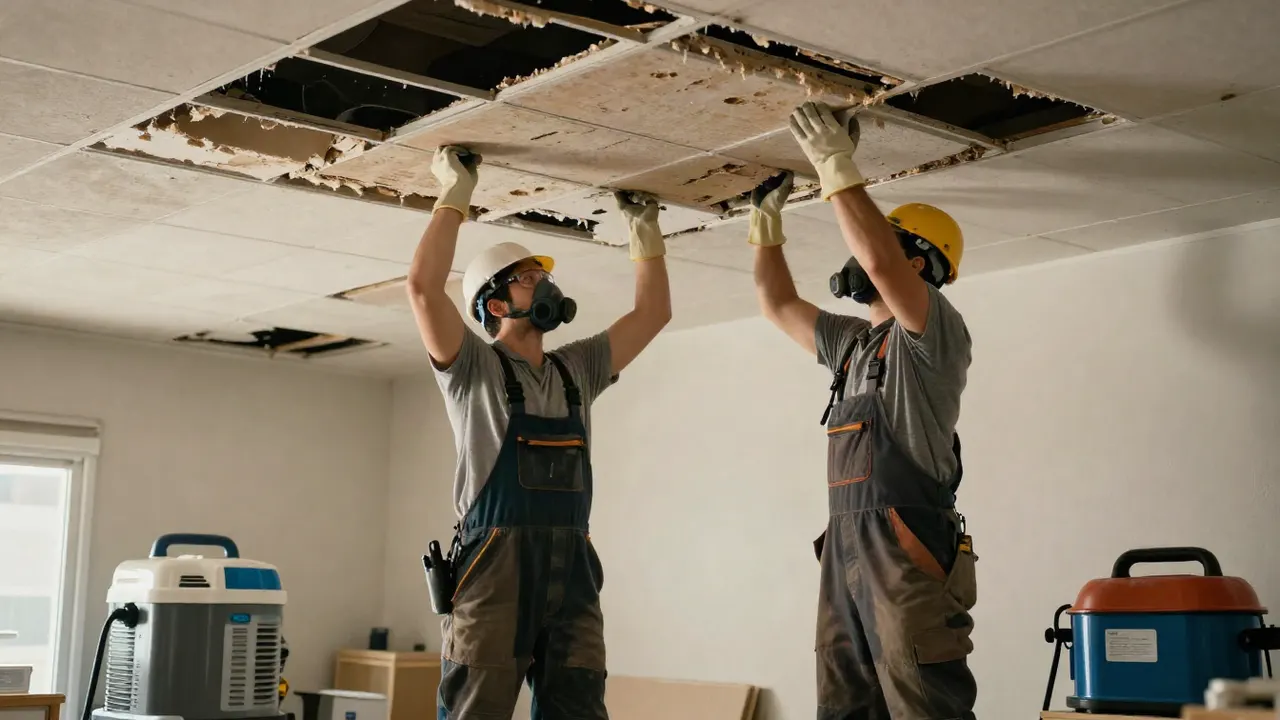
Inspects wall cavities and subfloor layers for hidden water damage behind baseboards.
We follow the S500 standard for water damage restoration, which sets the moisture targets, equipment sizing, and documentation requirements for a hardwood drying job.
We log temperature and relative humidity twice daily and adjust air movers and dehumidifiers based on the readings, not on a fixed schedule.
When planks are cracked or delaminated, we cut out only the damaged boards and replace them with matching stock rather than tearing out the whole floor.
We apply an antimicrobial spray to the subfloor and joists after extraction to stop mold growth, following ANSI/IICRC S520 guidance for contaminated areas.
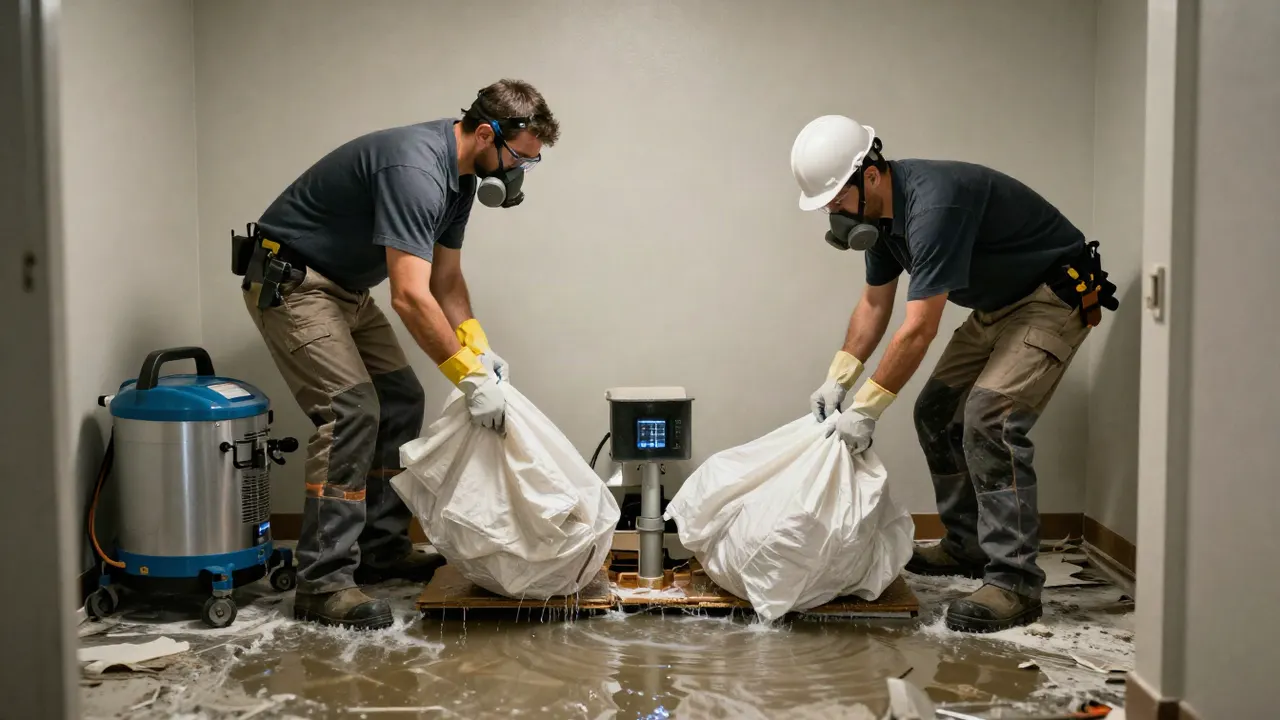
We shut off the line, extract standing water, and set air movers and a dehumidifier before the planks cup. A thermal imaging camera confirms whether water reached the subfloor. Most overnight pipe bursts in Hyattsville dry in 3 to 4 days and need only a light sand and refinish, saving the original floor.
We pump the basement, dry the joists and subfloor, then verify the hardwood above with a moisture meter. Dehumidification runs until humidity drops below 50 percent. The floor above stays flat and the basement is dry, with documentation for the insurance claim.
We use a boroscope to check the wall cavity, cut out wet drywall, and dry the subfloor. Stained boards are replaced and the floor is refinished to match. The hidden leak is fixed, mold growth is stopped, and the floor looks original again.
We tarp the roof, dry the ceiling cavity, and then repair the floor below. A moisture meter confirms the joists are dry before we close anything up. The ceiling and floor are both dry, and the repair is documented for the homeowner's insurance.
Hyattsville sits in Prince George's County with a mix of 1920s bungalows, mid-century ranches, and newer condos near University Town Center. The older homes often have original oak strip flooring over plywood, which dries predictably but reacts badly to a slow leak that goes unnoticed. The newer buildings use engineered planks that can delaminate if the drying is too aggressive. We adjust the drying setup to the floor type, not the other way around. Summer storms and winter freeze-thaw cycles drive most of our calls. A frozen pipe that thaws in a wall can send water across a floor for hours before anyone notices. We carry a moisture meter and thermal imaging camera on every truck so we can confirm the dry standard before we leave. If you are searching for hardwood floor water damage near me Hyattsville MD after a storm, call and we will tell you what to do before we arrive.
Older rowhouses and bungalows with original oak floors that respond well to controlled drying if caught early.
Newer condos with engineered hardwood where drying must be slower to avoid delamination at the plank edges.
Mid-century homes with plywood subfloor and oak strip flooring, often with crawl spaces that add humidity from below.
Properties near the county line with a mix of slab and crawl space construction, which changes how water wicks into the floor.
Historic homes with tight-grained old-growth flooring that can be saved with careful drying and refinishing.
High outdoor humidity slows drying, so we run dehumidifiers longer and verify with a hygrometer before calling the job complete.
A pipe that freezes and thaws in a wall can send water across a floor for hours, so we check the wall cavity with a boroscope as well as the floor surface.
Crawl space water intrusion pushes humidity up into first-floor hardwood, so we dry the crawl space first and then verify the floor above.
A supply line under a kitchen sink let go overnight and water ran across 220 square feet of oak flooring into the hallway. The planks were cupped at the seams and the subfloor read 28 percent moisture content.
We extracted standing water, ran air movers and a dehumidifier for four days, and brought the subfloor down to 10 percent. The floor was sanded and refinished with three coats. The homeowner kept the original oak.
Maintenance: We recommended a humidity monitor in the kitchen and a yearly check of the supply line connections under the sink.
A sump pump failed during a summer storm and the basement flooded, wicking moisture into the maple hardwood on the first floor. Three boards were cupped and the baseboards were wet.
We pumped the basement, dried the joists, and replaced three maple boards. The floor was refinished to match and the moisture meter read dry on day five. The insurance claim was approved with our documentation.
Maintenance: We installed a battery backup sump pump and set a reminder to test it every spring before storm season.
A water heater leak went unnoticed for a week and stained the engineered hardwood near the baseboard. The plank edges had started to delaminate and the drywall behind the baseboard was wet.
We cut out the wet drywall, dried the cavity, and replaced four engineered planks. The floor was refinished and the drywall was patched and painted. The unit was back to normal in six days.
Maintenance: We suggested a leak pan under the water heater and an annual flush to extend the tank life.
Most homeowners call us when the floor looks wrong and they are not sure whether it can be saved. Here are the four problems we see most often in Hyattsville and what we do about each one.
Cupping happens when the top of the plank dries faster than the bottom. Left alone, the edges stay raised and the floor never lies flat again, which means sanding or replacement. We equalize drying across the plank thickness with controlled air movement and dehumidification, then sand the floor flat once moisture content matches the dry standard. Most cupped floors caught within 48 hours come back flat without board replacement.
Dark stains mean moisture has been trapped long enough for mold growth to start in the subfloor or the plank itself. Sanding alone will not fix it, and the mold can spread to joists. We contain the area, remove affected plywood or boards, and apply an antimicrobial spray to the framing. After drying, we replace the damaged sections and refinish the floor to match.
Water travels along the subfloor and pools behind baseboards where a moisture meter on the surface will not read it. That hidden moisture keeps the floor from drying and feeds mold growth. We use a thermal imaging camera and boroscope to check behind walls and under the subfloor. If we find wet drywall or insulation, we cut it out, dry the cavity, and repair it before finishing the floor.
Black water is Category 3 contamination, and any hardwood it touches usually cannot be dried and saved. Trying to dry it spreads bacteria and leaves odor in the subfloor. We remove the affected flooring and subfloor, apply an antimicrobial spray, and dispose of the material per OSHA and ANSI/IICRC S520 guidelines. Then we dry the framing and install new flooring.
$450 - $2,800 depending on scope
Typical 2026 pricing in Hyattsville for hardwood floor water damage repair runs $450 to $2,800, depending on square footage, how long the water sat, and whether boards need replacement. A small extraction and drying job with no board replacement sits near the low end. A 300-square-foot room with cupped planks, subfloor drying, and refinishing lands closer to $2,200. We give you a written scope and price before we set equipment, and we do not add charges for drying that runs a day longer than projected.
The price reflects measured drying, documented moisture readings, and board-level repair that saves the original floor whenever possible. Replacing a hardwood floor costs far more than drying and refinishing it.
The larger the wet area, the more air movers and dehumidifiers we need and the longer the drying runs. A single room costs less than a whole first floor.
Water that sat for more than 48 hours usually means cupped boards and a wet subfloor, which adds drying time and often board replacement.
If planks are cracked or delaminated, we cut out and replace them. Matching old-growth oak or engineered planks adds material cost.
Sanding and refinishing a room adds cost but is still cheaper than replacement. We match the stain and apply three coats of finish.
Plywood subfloor that stayed wet can delaminate and needs replacement. That adds labor and material to the job.
When insurance covers the job, we document to Xactimate format so the adjuster can process the claim without back-and-forth.
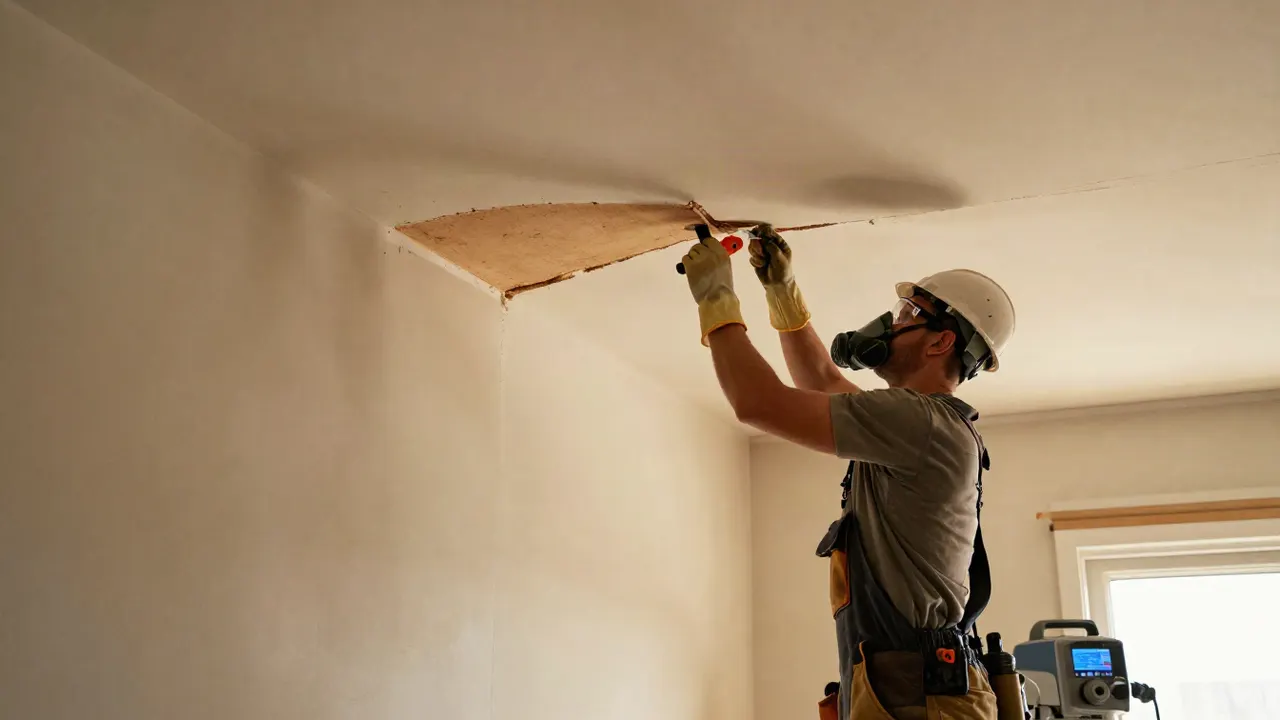
We have been drying and repairing hardwood floors in Prince George's County since 2012, which means 14 years of seeing how oak, maple, and engineered planks respond to water in this climate. Our technicians hold IICRC WRT and IICRC ASD credentials and follow ANSI/IICRC S500 for water damage and ANSI/IICRC S520 for mold-related work. We carry a Maryland Home Improvement Commission (MHIC) license and EPA Lead-Safe certification for pre-1978 homes, which matters in Hyattsville's older housing stock. Every job is documented to a standard an adjuster can read.
A supply line under the kitchen sink let go while we were at work. By the time we got home, water had run under the oak into the hallway. They were there in about an hour, pulled the water, and set up air movers and a dehumidifier. Five days later the moisture meter read dry and they refinished the hallway. You cannot tell it happened.
Our sump pump failed during a storm and the basement carpet was soaked, with water wicking into the hardwood above. The technician used a thermal camera and found wet spots we did not know about behind the baseboards. They documented everything for our insurance and handled the drying. The claim went through without a fight.
We manage a rental with original maple floors, and a tenant let a bathtub overflow. Three boards were cupped badly. Instead of pushing a full replacement, they cut out the three boards, matched the maple, and refinished the patch. Saved us thousands and the tenant stayed. I have used them twice since.
Most hardwood floor water damage repair jobs in Hyattsville run $450 to $2,800 in 2026, depending on square footage and whether boards need replacement. A small extraction and drying job with no board replacement sits near the low end. A 300-square-foot room with cupped planks, subfloor drying, and refinishing lands closer to $2,200. Insurance often covers the drying portion when the source is a sudden pipe burst.
Yes, most water damaged hardwood floors can be repaired if drying starts within 24 to 48 hours. Solid oak and maple respond well to controlled drying followed by sanding and refinishing. Engineered planks with a thin wear layer are harder to refinish but can often be replaced board by board. Floors that have been wet for a week or show black mold growth under the finish usually need partial replacement.
Hardwood floors in Hyattsville typically dry in 3 to 5 days with professional air movers and dehumidifiers running continuously. A single room with light moisture may hit the dry standard in 72 hours. Thick oak over plywood subfloor, or a floor that sat wet for two days before extraction, can take 6 to 7 days. We check moisture twice daily and tell you the projected finish date on day one.
Homeowners insurance in Hyattsville usually covers sudden and accidental water damage, such as a burst pipe or water heater failure, including drying and board replacement. Gradual leaks, long-term seepage, and flood water from outside are typically excluded unless you carry separate flood coverage. We document every job with moisture readings and photos in a format adjusters accept, which makes the claim process faster.
Not seeing your question? Our local team can help you understand urgency, scheduling and what to expect.
Ask the local team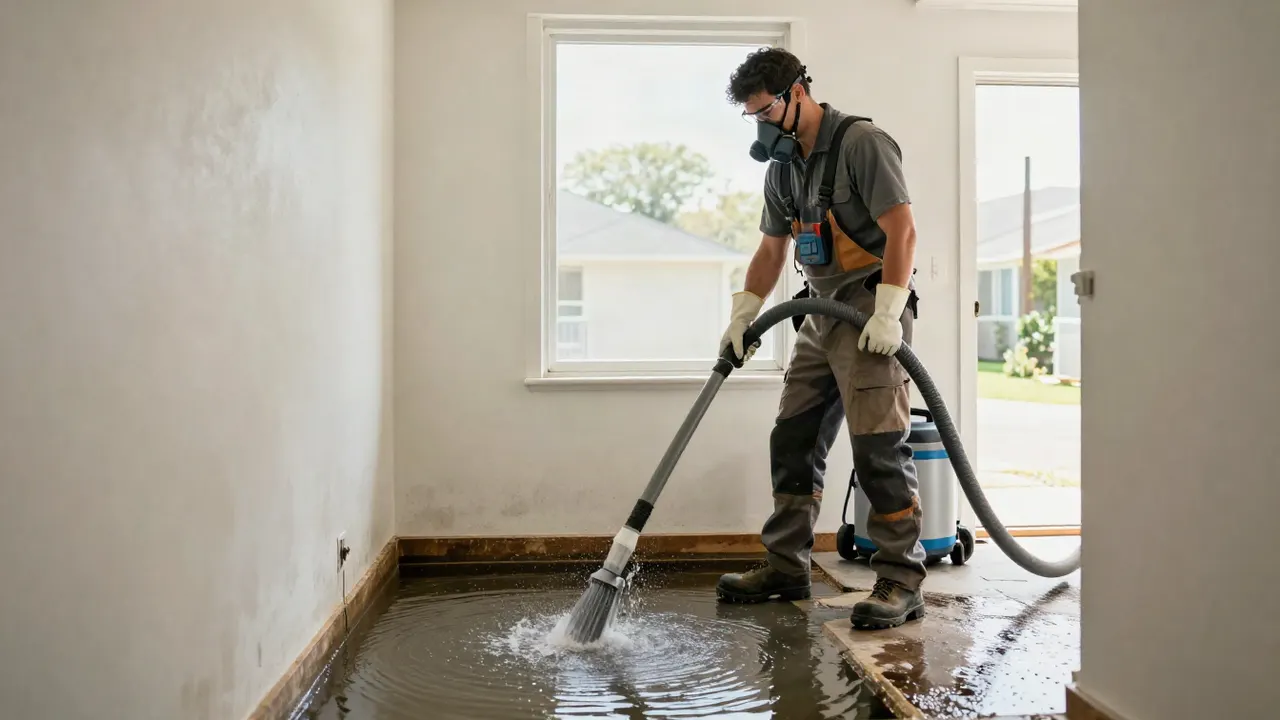
When a pipe bursts at 2 a.m., emergency water removal is the first step before any hardwood floor water damage repair in Hyattsville can begin. We extract standing water fast so it does not wick into the tongue-and-groove joints and swell the planks.
View serviceFlood cleanup in Hyattsville often overlaps with hardwood floor repair because storm water carries silt and contaminants into the seams. We remove debris, sanitize, and then assess which boards can be dried in place versus replaced.
View service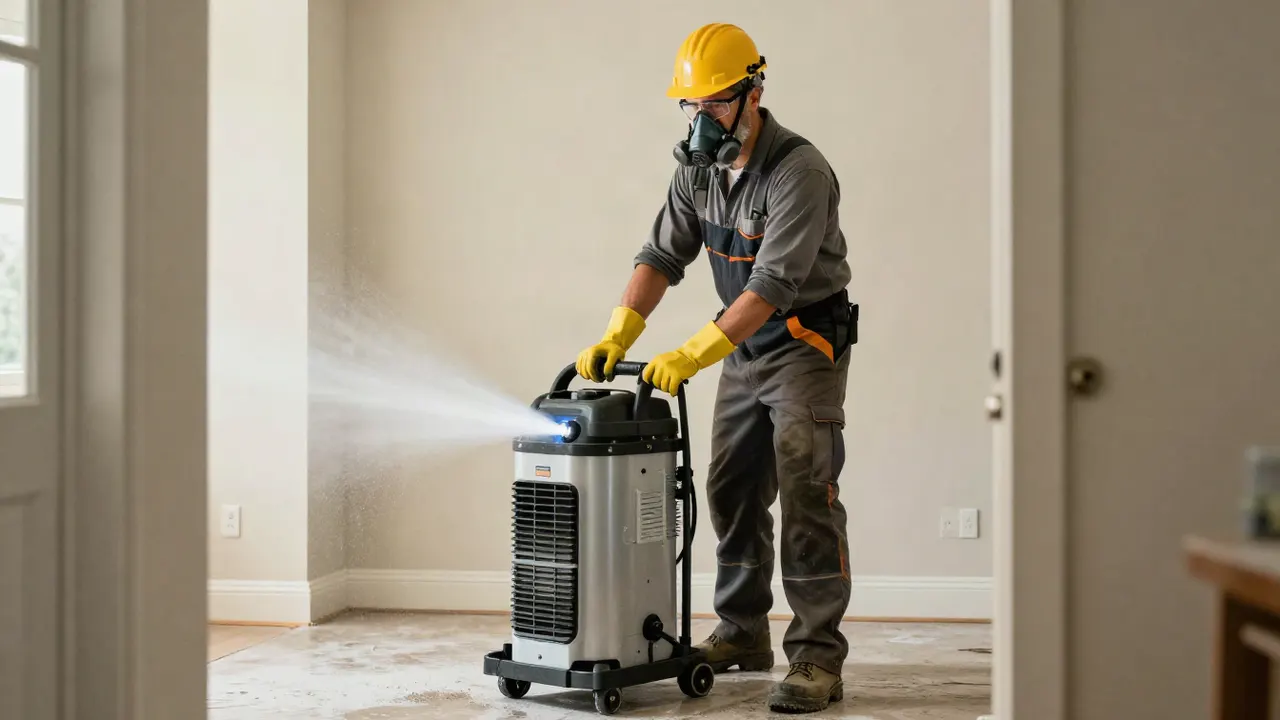
Basement water extraction protects the hardwood floors installed above a wet basement. Rising humidity from below pushes moisture into first-floor planks, so we dry the basement first and then verify the floor above with a moisture meter.
View serviceSewage backup cleanup is a Category 3 job, and any hardwood floor touched by black water usually has to be removed rather than dried. We handle the extraction, antimicrobial spray, and safe disposal, then repair the subfloor before new flooring goes down.
View service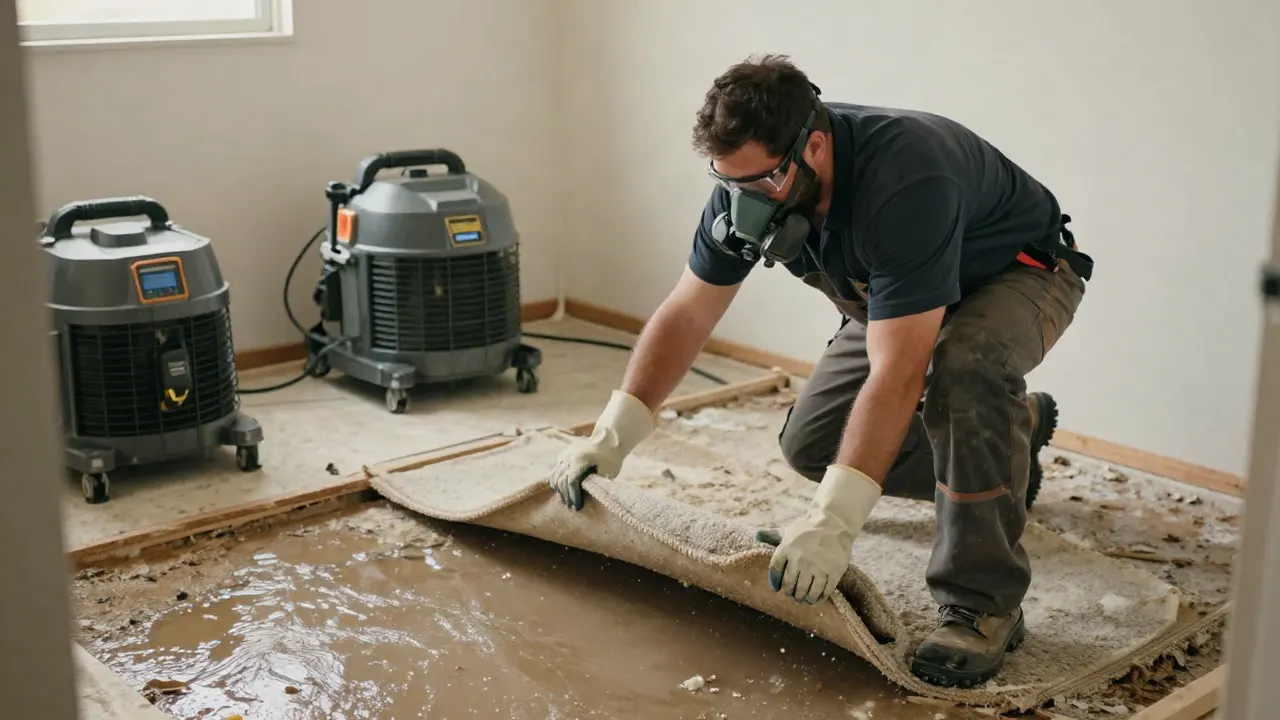
We answer the phone 24 hours a day, 7 days a week, including holidays. Most addresses in Hyattsville see a crew within an hour of your call. Whether it is a burst pipe at 2 a.m. or a slow leak you just noticed, call us and we will get someone out.