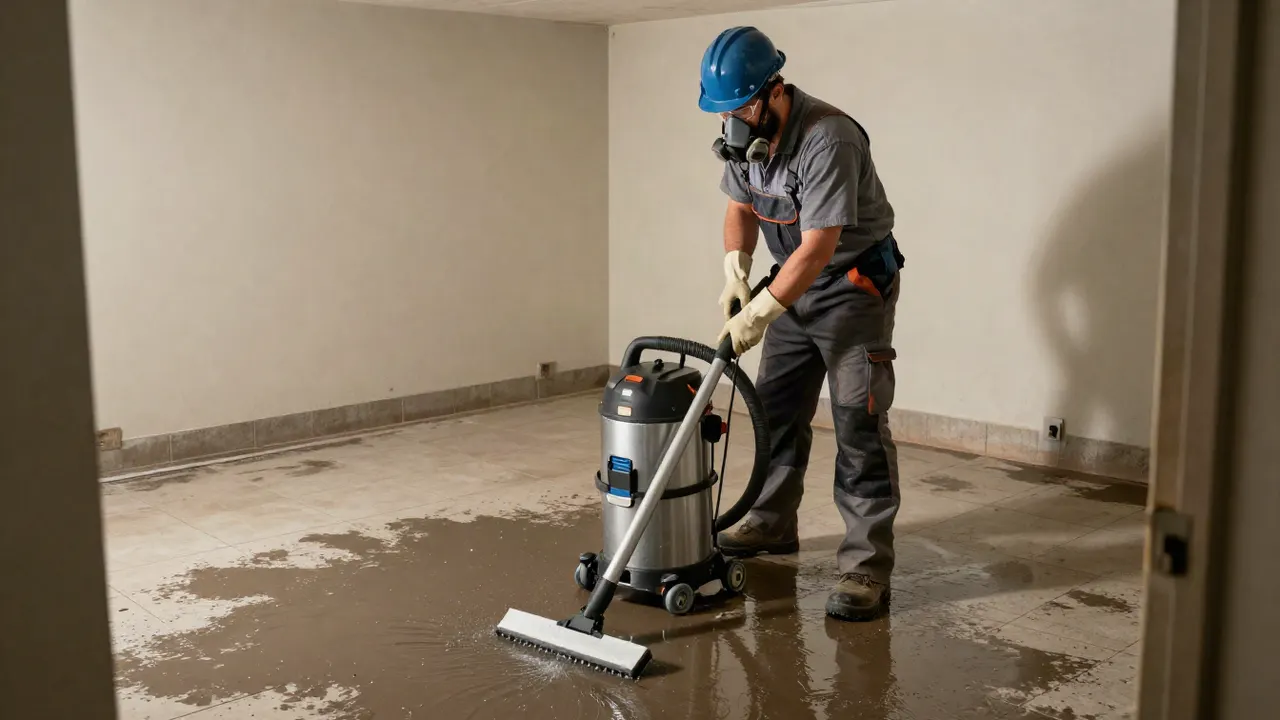
How to remove sewage backup water safely from your Hyattsville home
Sewage backup water is Category 3 black water. Here is the safe order of operations for Hyattsville homeowners: PPE, shutoff, extraction, disinfection, and drying.
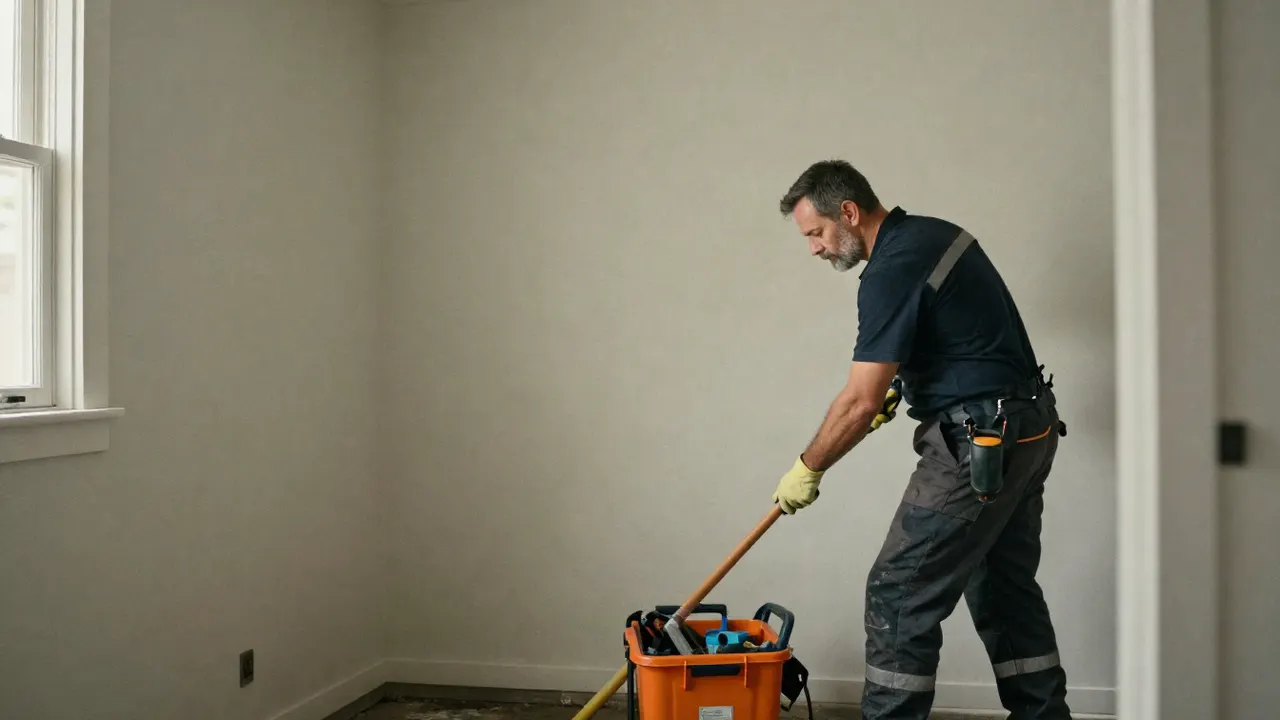
Removing sewage backup water safely from your Hyattsville home means three things in order: keep people and pets out of the affected area, wear the right personal protective equipment before you touch anything, and extract the water with a wet/dry vacuum or pump rather than a mop or shop broom. Sewage backup water is Category 3 black water - it carries E. coli, Salmonella, hepatitis A, and parasites - so the goal is containment first, removal second, disinfection third, and drying last. This guide walks through the exact order of operations we use on sewage backup water removal Hyattsville MD calls, what you can safely do yourself, what has to be thrown away, and when the job is too big for a homeowner to finish.
Why sewage backup water is dangerous in Hyattsville MD
Sewage backup water is raw wastewater from the municipal sewer line or your home's lateral that has reversed into your basement, laundry room, or lowest drain. It is classified as Category 3 - the most contaminated water category in the IICRC S500 standard - because it contains human waste, bacteria, viruses, and often industrial chemicals from upstream sources.
The danger is not just what you can see. A single gram of sewage can hold millions of bacteria, and the pathogens stay alive on dry surfaces for days. In Hyattsville, the problem is compounded by the age of the housing stock. Many homes in Water Damage in Downtown Hyattsville and the older blocks near the Arts District were built between 1910 and 1950 with cast iron laterals that have scaled and cracked. When we get a heavy rain event - and we get several every year between March and October - the combined storm and sanitary flow overwhelms those old lines and pushes water back up through the lowest floor drain.
Three things make a Hyattsville sewage backup worse than a clean-water leak:
- Contamination spreads by contact. Every surface the water touched - baseboards, drywall up to the wicking line, carpet pad, cardboard boxes, the underside of furniture - is now a biohazard.
- Airborne risk. Running a standard box fan across a wet sewage floor aerosolizes bacteria. That is why we never start air movement until the area has been extracted and treated.
- Secondary damage window. Mold can begin colonizing wet drywall and framing in 24 to 48 hours. After 72 hours, the scope of the job roughly doubles.
If you smell sewer gas - that rotten-egg sulfur odor - leave the area and ventilate from a distance. Sewer gas contains hydrogen sulfide and methane and is a separate hazard from the water itself.
What to wear when cleaning sewage backup in Hyattsville
What you wear when cleaning sewage backup in Hyattsville is not optional gear - it is the line between a bad afternoon and a hospital visit. Before you step into the affected room, put on all of the following:
- N95 or P100 respirator - not a cloth mask, not a surgical mask.
- Rubber boots that come up to at least mid-calf, with no fabric inside.
- Nitrile gloves under longer rubber gloves, taped at the wrist if you will be reaching into standing water.
- Disposable Tyvek suit or old clothing you will bag and throw out - long sleeves, long pants, no exposed skin.
- Safety glasses or goggles to keep splashes out of your eyes.
Two rules that matter more than the list. First, do not eat, drink, smoke, or touch your face until you have stripped out of the gear and washed with hot water and soap. Second, keep children and pets out of the entire floor - not just the wet room - because contaminated boots and gloves track bacteria into hallways and kitchens.
If anyone in the home is pregnant, immunocompromised, asthmatic, or under five years old, do not do this work yourself. Call us and we will handle the extraction and disinfection with commercial PPE and HEPA filtration.
Step-by-step: how do I safely remove sewage backup water from my Hyattsville home?
How do I safely remove sewage backup water from my Hyattsville home? Work in this exact order - stop the source, isolate the area, extract the standing water, bag and remove solids, disinfect every surface, then dry the structure. Skipping or reordering any step spreads contamination.
1. Stop the source and shut off utilities
If the backup is still flowing, stop using water in the house. Do not run the washing machine, dishwasher, showers, or flush toilets - every gallon you send down the drain comes back up. If the water is anywhere near outlets, the electrical panel, or the furnace, do not enter. Call an electrician or the utility first. If you can safely reach the main sewer cleanout and it is not under water, a plumber can rod or jet the line, but that is a separate trade from cleanup.
2. Isolate the affected area
Close doors, hang plastic sheeting over doorways if you have it, and shut off the HVAC system so it does not pull contaminated air through the house. Open windows in the affected room only if the outdoor temperature is above 60°F and it is not raining.
3. Extract standing water
Use a wet/dry shop vacuum rated for liquids, or a submersible pump if the water is more than two inches deep. Work from the farthest corner toward the drain or the door. Empty the vacuum into a utility sink that drains to the sanitary sewer - never onto the lawn, the driveway, or into a storm drain. That is illegal in Prince George's County and it re-contaminates the neighborhood.
For anything over about 50 square feet of standing water, or water that has soaked into carpet and pad, this is the point where Sewage Backup Cleanup Hyattsville MD crews use truck-mounted extraction units that pull 12 to 18 gallons per minute - roughly ten times what a shop vac moves - and cut the drying time from days to hours.
4. Bag and remove solids and porous materials
Anything porous that touched the water goes into heavy-duty 6-mil contractor bags and out to the curb for municipal pickup. That includes carpet, carpet pad, cardboard, paper, drywall below the water line, insulation, upholstered furniture, mattresses, and children's toys. Do not try to save them. Do not run them through your washing machine.
5. Disinfect hard surfaces
Mix one cup of household bleach into one gallon of water - a 1:10 ratio - or use a hospital-grade quaternary disinfectant. Apply to concrete, tile, vinyl, and framing lumber, let it dwell for 10 minutes, then wipe. Bleach loses potency after 24 hours mixed, so make it fresh. Never mix bleach with ammonia or vinegar.
6. Dry the structure
After disinfection, the room still needs to be dried to under 16% moisture content in the framing and under 12% in drywall. That takes commercial Dehumidification Services Hyattsville MD and high-velocity air movers running 24 to 72 hours, with daily moisture readings to confirm the walls are actually dry - not just dry to the touch. A wet basement that looks dry but reads 22% on a meter will grow mold within a week.
What you can clean yourself vs. what has to be thrown out
Some items survive a sewage backup after proper disinfection. Most do not. Here is the honest breakdown we give homeowners on every call.
- Cleanable after disinfection: concrete floors, ceramic tile, vinyl plank, metal shelving, glass, sealed hardwood (only if dried within 24 hours), plastic storage bins, and solid wood furniture with a sealed finish.
- Throw out, no exceptions: carpet and pad, drywall, insulation, cardboard, paper documents, mattresses, pillows, upholstered sofas and chairs, stuffed animals, and any food - including canned goods - that was in the affected room.
- Case-by-case: area rugs (professional cleaning only), leather goods, electronics, and anything with sentimental value. For those, we use Content Cleaning and Pack-Out Hyattsville MD - we inventory, pack, and clean items off-site so they are not sitting in a contaminated room while the structure dries.
Common mistakes we see on sewage backup cleanup calls in Hyattsville
The mistakes that turn a $2,000 cleanup into a $12,000 rebuild are almost always the same five. We see them on nearly every emergency sewage backup removal Hyattsville call.
- Running a box fan first. Air movement before extraction aerosolizes bacteria through the whole house. Extract, disinfect, then dry.
- Using a mop and bucket. A mop pushes contaminated water into grout lines and spreads it across the floor. Use a wet/dry vac or a pump.
- Dumping the water outside. Sewage goes to the sanitary sewer, not the storm drain or the yard.
- Stopping when the floor looks dry. Drywall wicks water 12 to 18 inches above the visible water line. If you do not cut and check, mold grows behind the wall.
- Waiting for the weekend. Every 24 hours of delay roughly increases the mold risk by a full category. After 72 hours, porous materials that could have been dried are usually a total loss.
Sewage backup cleanup cost in Hyattsville MD
Typical 2026 pricing for sewage backup cleanup in Hyattsville MD runs $2,200 to $4,500 for a finished basement under 500 square feet, and $5,500 to $12,000 or more when the backup reaches finished living space, hardwood, or HVAC ductwork. The variables that move the number most are the square footage affected, how many porous materials have to be removed, whether the water reached drywall above the baseboard, and how long the water sat before extraction started.
For comparison, a single-room cleanup with concrete floors and no drywall damage can come in under $1,800. A whole-basement job with carpet, pad, drywall, and a finished ceiling usually lands between $6,000 and $10,000 once rebuild is included. We give you a written scope and price before we start, and we bill the insurance carrier directly when the loss is covered.
Does insurance cover sewage backup cleanup in Hyattsville?
Standard homeowners policies in Maryland usually do not cover sewage backup unless you added a sewer backup endorsement - typically $50 to $150 per year for $10,000 to $25,000 of coverage. If you have that rider, cleanup, extraction, disinfection, drying, and often the rebuild are covered, minus your deductible. If you do not have it, the loss is out of pocket.
Two things to do before you throw anything away: photograph the standing water and every damaged item, and call your carrier to open a claim. Keep the contractor bags and receipts. We document the loss with moisture readings, photos, and a written scope so the adjuster has what they need on the first pass.
When to call a professional
Call a professional the moment any of these are true: the water is more than a half inch deep, the backup reached carpet or drywall, the affected area is larger than 10 square feet, the water has been sitting more than 12 hours, you smell sewer gas, or anyone in the home is pregnant, immunocompromised, or under five. Those are not judgment calls - they are the thresholds where DIY cleanup stops being safe and starts being a health risk.
We handle the whole job: extraction, removal of contaminated materials, hospital-grade disinfection, structural drying with daily moisture logs, and rebuild. If the backup came in during a storm event, we also handle Storm Damage Restoration Hyattsville MD so the sewer line, sump, and roof are all addressed in one scope instead of three separate contractors. We are a local crew, we know the older laterals in West Hyattsville and the finished basements in University Town Center, and we can usually be on site within 60 to 90 minutes of your call.
Frequently Asked Questions
How do I safely remove sewage backup water from my Hyattsville home?
Stop the source, isolate the room, extract standing water with a wet/dry vac or pump, bag and remove all porous materials, disinfect hard surfaces with a 1:10 bleach solution, then dry the structure to under 16% moisture. Wear an N95, rubber boots, nitrile gloves, and eye protection the entire time.
Is sewage backup water dangerous in Hyattsville MD?
Yes. Sewage backup is Category 3 black water and carries E. coli, Salmonella, hepatitis A, and parasites. Pathogens survive on dry surfaces for days, and mold can start within 24 to 48 hours. Treat every surface the water touched as contaminated until it has been disinfected.
What should I wear when cleaning sewage backup in Hyattsville?
An N95 or P100 respirator, mid-calf rubber boots, nitrile gloves under rubber gloves, safety glasses, and a disposable Tyvek suit or clothing you will throw away. No exposed skin, no cloth masks, and no eating or drinking until you have stripped the gear and washed with hot soapy water.
Does insurance cover sewage backup cleanup in Hyattsville?
Only if your policy has a sewer backup endorsement, which usually costs $50 to $150 per year for $10,000 to $25,000 of coverage. Without that rider, standard Maryland homeowners policies exclude sewage backup. Photograph everything and open the claim before you throw anything away.
How much does sewage backup cleanup cost in Hyattsville MD?
Typical 2026 pricing is $2,200 to $4,500 for a finished basement under 500 square feet and $5,500 to $12,000 or more when the backup reaches finished living space, hardwood, or ductwork. Cost depends on square footage, how much porous material has to be removed, and how long the water sat.
Get help with Water Damage in Hyattsville
Sewage backups do not wait for business hours, and neither do we. Our team handles extraction, disinfection, drying, and rebuild for homeowners across Hyattsville and the surrounding Prince George's County neighborhoods.
Call +1 (866) 327-0438 now and we will dispatch a crew, walk you through what to do while you wait, and give you a written price before we start.